Anti Coffee Berry Borer: Biological Formula vs Synthetic Insecticide
The coffee berry borer (Hypothenemus hampei) or CBB is a major pest threatening specialty coffee production in Indonesia. CBB attacks not only reduce yields but also damage bean quality, cause flavor defects, and lower grade. Specialty coffee farmers face a dilemma: using effective synthetic insecticides with residue risks, or switching to safer biological control. This article presents a comparison of efficacy between an Anti-Coffee Berry Borer formula based on Beauveria bassiana and Metarhizium anisopliae and synthetic insecticides, based on scientific data and field practice.
Understanding CBB and Its Impact on Specialty Coffee
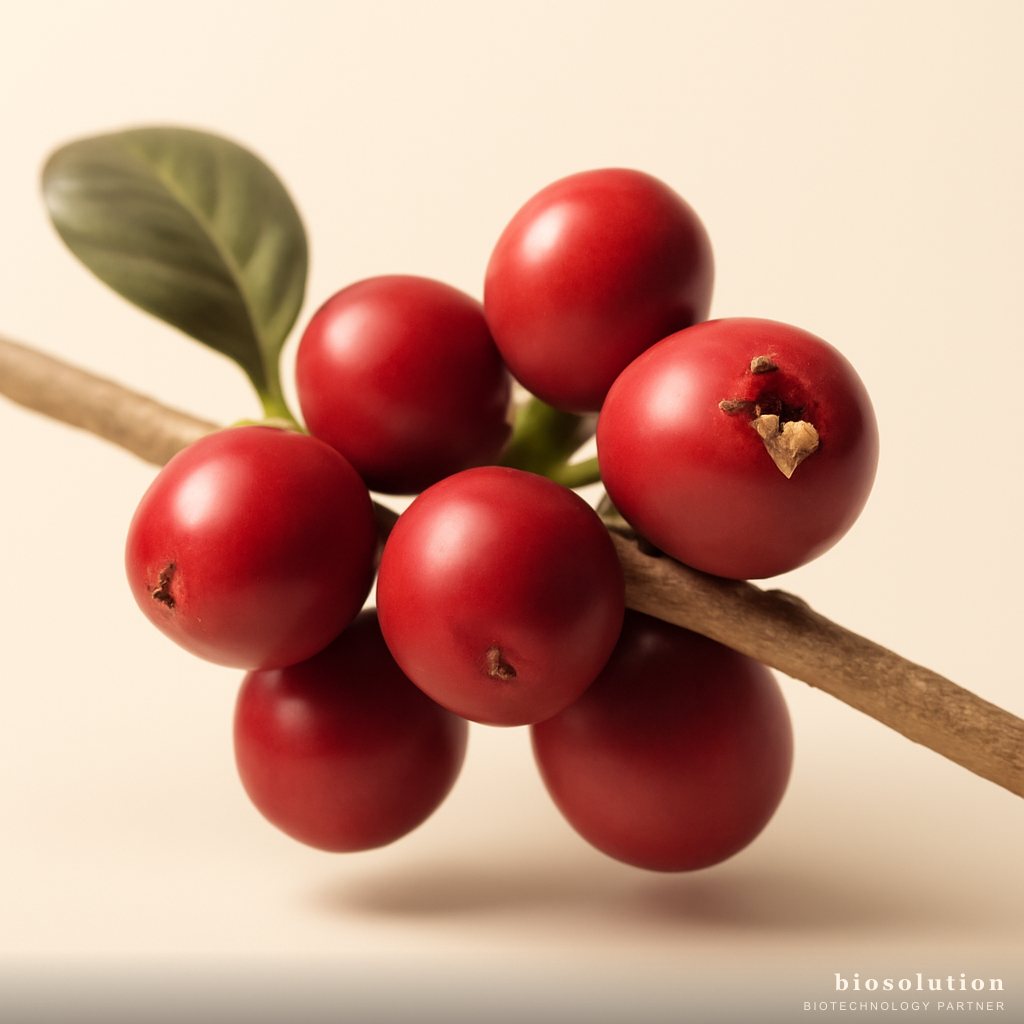
CBB is a small beetle (1.5–2 mm) that attacks coffee berries from the green to red stage. Females bore holes into the berry and lay eggs inside the endosperm, causing hollow, porous beans susceptible to fungal contamination. In specialty coffee, an attack of >2% alone lowers grade and market value. Synthetic insecticides such as endosulfan (now banned) or chlorpyrifos do kill CBB, but leave residues that are difficult for export markets to accept. Additionally, CBB resistance to some insecticides has been reported. Biological control offers a sustainable solution.
Anti-Coffee Berry Borer Formula: Composition and Mechanism
This formula contains two superior entomopathogenic fungi:
- Beauveria bassiana: A strain isolated from CBB in Indonesia, with high infectivity. Fungal spores attach to the insect cuticle, germinate, and penetrate the body, producing beauvericin toxin that paralyzes and kills within 3–7 days.
- Metarhizium anisopliae: Works synergistically with B. bassiana, infecting through spores that attach to legs and antennae. This fungus produces chitinase and protease enzymes that degrade the cuticle, effective under high humidity.
The combination of two strains increases efficacy because they have different temperature and humidity preferences, making them effective under various field conditions. Application dose: 3 ml per liter of water, sprayed evenly over all coffee trees, especially on green to red berries. Frequency: every 14 days before harvest, applied in the afternoon to avoid UV light and increase spore persistence.
Efficacy Comparison: Biological vs Synthetic
Speed of Kill
- Synthetic insecticides (e.g., cypermethrin) work by contact and ingestion, killing adult CBB within hours. However, eggs and larvae inside the berry are protected.
- Biological formula takes 3–7 days to kill insects, but spores can persist on berry surfaces and infect newly hatched insects. Cumulative efficacy increases with regular application.
Effect on Non-target Insects
- Synthetic insecticides are broad-spectrum, killing natural enemies such as predatory beetles and parasitoids. This can trigger secondary pest outbreaks.
- Biological formula is selective: it only infects target insects (CBB) and a few other susceptible pests. Bees and predators remain safe.
Residue on Coffee Beans
- Synthetic insecticides leave detectable residues on coffee beans, especially if applied close to harvest. Export destination countries (EU, Japan) have strict maximum residue limits (MRLs).
- Biological formula leaves no chemical residues. Beauveria bassiana and Metarhizium anisopliae are microorganisms approved for organic farming. The resulting coffee is safe for consumption and meets export standards.
Resistance
- CBB has developed resistance to several pyrethroid and organophosphate insecticides in various countries. Cross-resistance is also common.
- Biological formula has multi-target mechanisms (physical penetration, toxins, enzymes). Resistance risk is very low because insects struggle to develop defenses against fungal infection.
Efficacy Data from Research
Laboratory studies show that application of B. bassiana at a concentration of 1×10⁸ spores/ml causes up to 85% mortality of adult CBB within 7 days. Combination with M. anisopliae increases mortality to 92%. In the field, regular spraying every 14 days for 2 months suppresses CBB attack by up to 70% compared to control. Meanwhile, synthetic insecticide (chlorpyrifos) gives 95% mortality within 24 hours, but residues are still detectable up to 21 days after application.
Advantages of Biological Formula for Specialty Coffee
Specialty coffee requires high quality standards: defect-free, clean taste, and traceability. Use of synthetic insecticides can leave a chemical aftertaste in the brew (off-flavor) and raise consumer concerns. Biological formula instead supports natural flavor profiles because it does not alter bean metabolism. Additionally, the preservation of natural enemies helps suppress other pests such as aphids and stem borers.
Proper Application for Maximum Results
- Identify application timing: Spray when coffee berries are green to early red (CBB-susceptible stage). Avoid when berries are already dark red because CBB has already entered.
- Prepare solution: Mix 3 ml of formula per liter of water (or 30 ml per 10-liter tank). Stir well. Use clean water with neutral pH.
- Spray technique: Use a fine spray nozzle, spray evenly over all berry and leaf surfaces. Ensure the underside of berries is covered as CBB often hides between berries.
- Frequency: Repeat every 14 days until harvest. If rain occurs within 6 hours of application, re-spray.
- Application time: Afternoon (3:00–5:00 PM) to avoid UV light that can kill spores.
Case Study: Gayo Coffee Farmers Switch to Biological Formula
In Central Aceh, a group of organic coffee farmers applied the Anti-Coffee Berry Borer formula in the 2023/2024 season. Results: CBB attack dropped from 25% to 8%, and coffee grade increased from Grade 2 to Grade 1. Application costs were 30% lower than synthetic insecticides because no special protective equipment was needed and no waste disposal costs. Their coffee passed residue tests for export to Europe.
Conclusion
The Anti-Coffee Berry Borer formula based on Beauveria bassiana and Metarhizium anisopliae offers competitive efficacy against synthetic insecticides, with key advantages: residue safety, selectivity towards natural enemies, and support for specialty coffee quality. Although speed of kill is slower, regular and timely application provides sustained protection. For specialty coffee farmers prioritizing quality and sustainability, biological control is the right choice. Consult our expert team for dosage and application schedule recommendations tailored to your plantation conditions. Consult via WhatsApp or see the product Anti-Coffee Borer Formula.
FAQ
What is CBB and why is it dangerous for coffee?
CBB (Coffee Berry Borer) is a major coffee pest that bores into berries and causes hollow beans. CBB attack reduces quality, flavor, and grade, causing economic losses of up to 50%.
Is the biological formula safe for farmers?
Yes, the biological formula is non-toxic to humans and animals. Farmers can spray without special protective equipment. It is safe to apply near harvest.
How long does the biological formula's effect last?
Fungal spores can persist on berry surfaces for up to 14 days depending on weather. Reapplication every 14 days maintains optimal protection.
Can the biological formula be used together with other pesticides?
Avoid mixing with chemical fungicides as they can kill the fungi. Botanical insecticides like neem can be combined with a 2-3 day interval.
Is this formula effective for all coffee varieties?
Yes, it is effective for Arabica, Robusta, and Liberica. Dose and frequency are the same, but should be adjusted according to the dominant berry stage.