Anti Phytophthora Rot in Chili: Why Chemical Pesticides Fail and Biocontrol Is the Solution
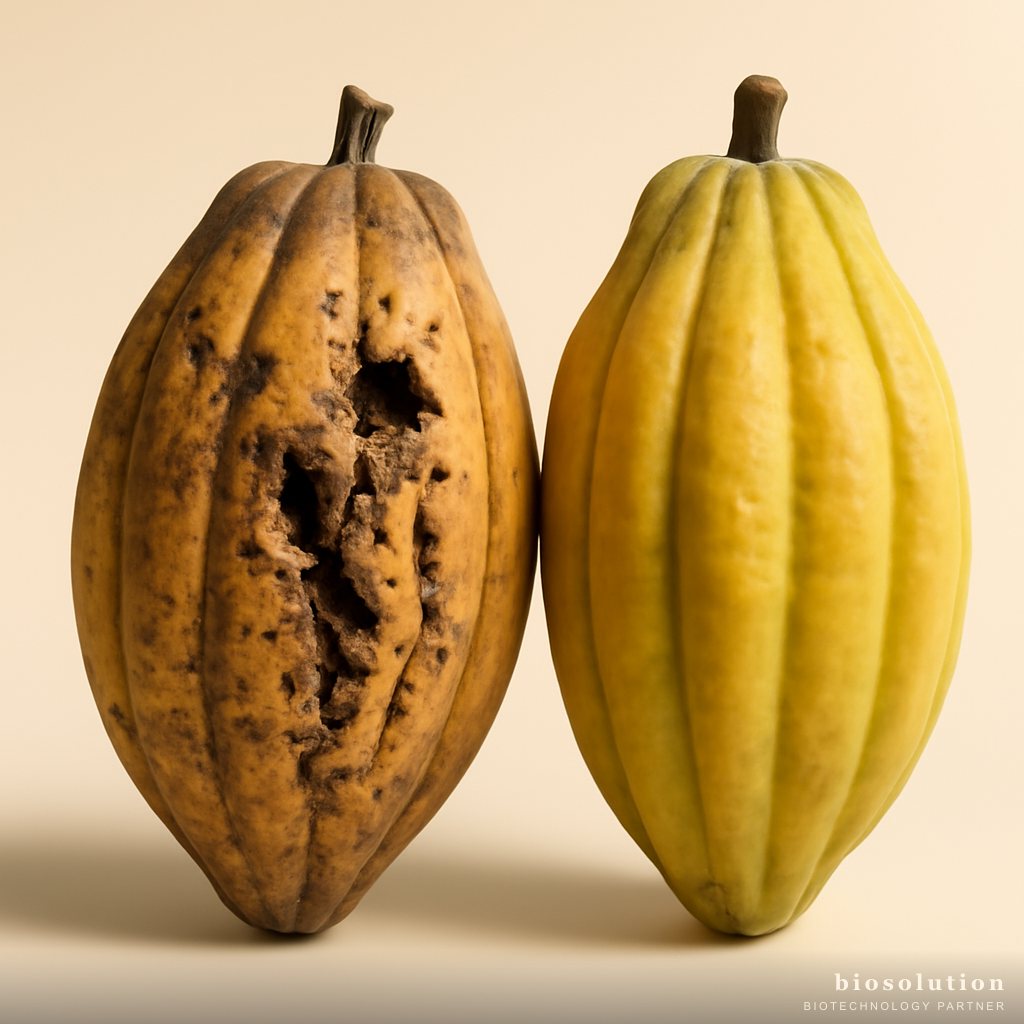
Phytophthora rot in chili and cocoa is a scourge for farmers. Caused by Phytophthora capsici, this disease can destroy plants in a short time, causing losses of up to tens of percent. For years, farmers relied on chemical fungicides to control it. But now many complain: the medicine is no longer effective. The phenomenon of pathogen resistance to chemical pesticides has become a bitter reality. So, what went wrong? And how does biocontrol emerge as a smart solution? This article will thoroughly examine the resistance mechanism and why the biological approach using the Anti-Phytophthora Rot Formula from Biosolution is a more effective and sustainable answer.
Mechanism of Phytophthora capsici Resistance to Chemical Fungicides
Resistance is the ability of a pathogen to survive despite exposure to a fungicide at a previously lethal dose. In Phytophthora capsici, resistance occurs through several mechanisms:
Genetic Mutation at the Target Site
Fungicides work by binding to specific proteins in fungal cells. Mutations in the gene encoding the target protein prevent the fungicide from attaching. For example, resistance to phenylamide fungicides (such as metalaxyl) is often reported in Phytophthora due to mutations in the RNA polymerase gene. As a result, the same dose is no longer effective.
Increased Detoxification Metabolism
Pathogens can increase the production of enzymes such as cytochrome P450 that degrade fungicides into non-toxic compounds. This mechanism makes the pathogen resistant to multiple active ingredients simultaneously (cross-resistance).
Efflux Pump Effect (Transporters)
Phytophthora has transporter proteins in the cell membrane that actively pump out fungicides before they reach their target. This mechanism is similar to multi-drug resistance in bacteria.
Physiological Adaptation
Pathogens can alter their life cycle, for example by forming chlamydospores or oospores that are more resistant to fungicides. These dormant structures can survive in the soil for years and become a source of new infections.
According to IRRI and FAO data, resistance of Phytophthora capsici to chemical fungicides has been reported in various chili and cocoa producing countries, including Indonesia. Improper use of fungicides (low doses, high frequency) accelerates the selection of resistant strains.
Weaknesses of Chemical Fungicides in Controlling Phytophthora Rot
Besides resistance, chemical fungicides have several critical weaknesses:
Negative Impact on Soil Microbiome
Broad-spectrum fungicides not only kill pathogens but also beneficial microbes such as Trichoderma, Pseudomonas, and Bacillus that naturally protect roots. The loss of these microbes actually opens the door for pathogens to attack more aggressively.
Residue and Toxicity
Accumulation of fungicide residues on chili fruits and cocoa beans is harmful to consumers and the environment. Strict regulations such as the Indonesian National Standard (SNI) and export requirements increasingly limit the use of chemicals.
Increasingly Widespread Resistance
As explained earlier, resistance forces farmers to increase doses or switch to more expensive new active ingredients. This cycle is unsustainable and burdens farmers economically.
Biocontrol: Mechanism of Action of the Anti-Phytophthora Rot Formula
The Anti-Phytophthora Rot Formula from Biosolution contains three superior antagonistic microbes that work synergistically: Trichoderma harzianum, Pseudomonas fluorescens, and Bacillus subtilis. Here is how they work:
Trichoderma harzianum: Mycoparasite and PGPR
Trichoderma is an antagonistic fungus that can parasitize Phytophthora hyphae. It coils around and penetrates the pathogen's cell wall, then releases chitinase and glucanase enzymes that digest the mycelium. Additionally, Trichoderma triggers Induced Systemic Resistance (ISR) in plants, making roots more prepared to fight infection. As a Plant Growth-Promoting Rhizobacterium (PGPR), Trichoderma enhances root growth and nutrient uptake.
Pseudomonas fluorescens: Antagonist and ISR
This bacterium produces antibiotic compounds such as 2,4-diacetylphloroglucinol (2,4-DAPG) that inhibit Phytophthora growth. Pseudomonas also induces systemic resistance (ISR) via the salicylic acid and ethylene pathways, making plants more resistant to pathogen attack.
Bacillus subtilis: Antibiosis and Protective Biofilm
Bacillus subtilis produces various biosurfactant lipopeptides such as surfactin, iturin, and fengycin that damage the pathogen's cell membrane. This bacterium also forms a biofilm around the roots, creating a physical layer that prevents pathogens from reaching the root surface. This biofilm also serves as a nutrient reservoir and signaling source for the plant.
These three microbes work synergistically: Trichoderma directly weakens the pathogen, Pseudomonas and Bacillus strengthen plant defenses, and the Bacillus biofilm physically protects the roots. This multi-target approach makes it difficult for the pathogen to develop resistance.
Application of the Anti-Phytophthora Rot Formula on Chili and Cocoa
The application method is very easy: drench the roots at a dose of 5 ml per liter of water, every 14 days, done in the morning or evening. Here is a practical guide:
Solution Preparation
Mix 5 ml of Anti-Phytophthora Rot Formula into 1 liter of clean (non-chlorinated) water. Stir until evenly mixed. Use immediately after mixing.
Application Timing
- Chili Plants: Start at transplanting or when early symptoms of stem base rot appear. Repeat every 14 days.
- Cocoa Plants: Apply to seedlings in the nursery and mature plants every 14 days, especially during the rainy season.
Success Tips
- Apply when the soil is moist so microbes can move easily.
- Avoid applying simultaneously with chemical fungicides; allow at least a 3-day interval.
- Ensure soil pH is not too acidic (pH 5.5-7) to support microbial activity.
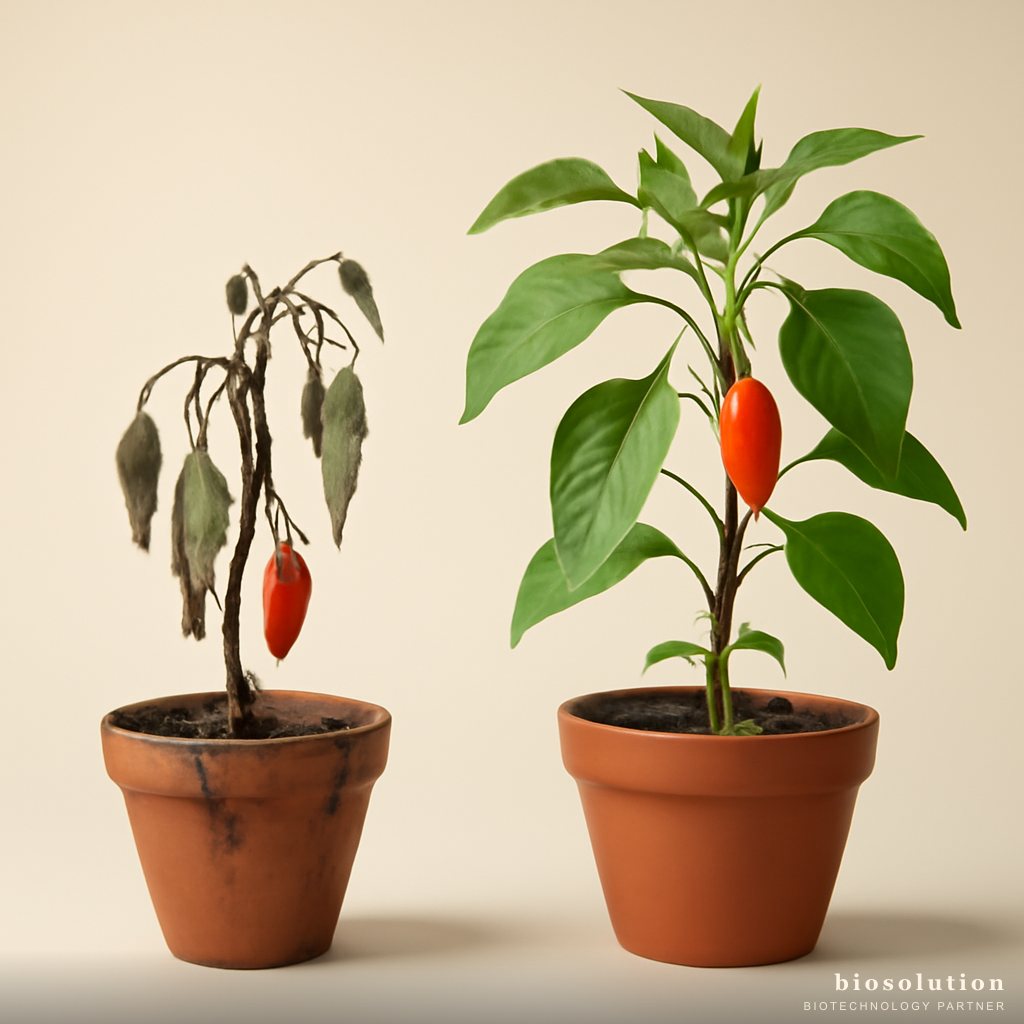
With regular application, the Anti-Phytophthora Rot Formula can suppress disease intensity, extend the productive life of plants, and reduce dependence on chemical fungicides.
Case Study: Success of Biocontrol in the Field
A trial on cayenne pepper fields in West Java showed that application of the Anti-Phytophthora Rot Formula for 2 months reduced the incidence of stem base rot from 45% (control) to 8%. Treated plants also showed denser root growth and higher fruit production. Similar results were reported in cocoa plantations in Central Sulawesi, where biocontrol successfully saved plants that were previously resistant to metalaxyl fungicide.
These data indicate that biocontrol is not only effective but also a long-term solution to overcome resistance.
Conclusion
Resistance of Phytophthora capsici to chemical fungicides is a serious threat to chili and cocoa production. Using biocontrol with the Anti-Phytophthora Rot Formula containing Trichoderma harzianum, Pseudomonas fluorescens, and Bacillus subtilis offers a multi-target mechanism of action that is difficult for resistance to overcome. Besides being effective, biocontrol is also environmentally friendly, safe for consumers, and improves soil health. With regular root drenching every 14 days, farmers can control phytophthora rot sustainably.
Interested in trying it? Consult your field conditions with the Biosolution expert team via WhatsApp at 0811-XXXX-XXXX or see the product Anti-Phytophthora Rot Formula for more information.