Controlling Fusarium Wilt in Tomatoes and Chilies with Biocontrol for Export Programs
Fusarium wilt caused by Fusarium oxysporum is one of the most damaging diseases in tomato and chili plants. Horticultural farmers often face major challenges in controlling this soilborne pathogen, especially when aiming to meet strict export standards. Biocontrol using biological agents such as Trichoderma harzianum, Gliocladium virens, and Pseudomonas fluorescens is the right solution to suppress the disease while maintaining harvest quality. This article presents Q&A on controlling Fusarium wilt and its relation to export programs.
What is Fusarium Wilt and Why is it Dangerous?
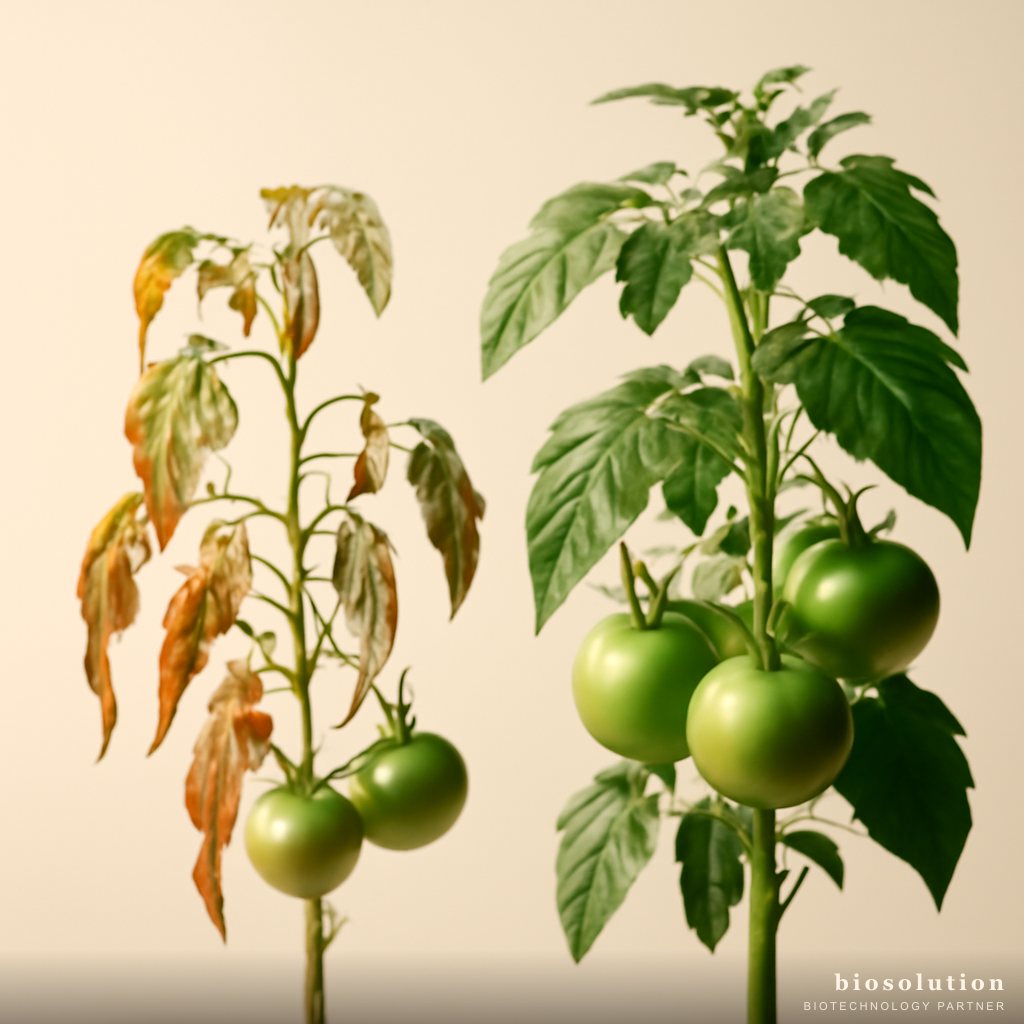
Fusarium wilt is a vascular disease caused by the fungus Fusarium oxysporum. The fungus enters through the roots and clogs the xylem vessels, causing sudden wilting, yellowing leaves, and eventually death. The pathogen can survive in the soil for years as chlamydospores, making it difficult to eradicate. In tomatoes and chilies, attacks can reduce yields by 50-80%. This disease is also a major concern in export programs because chemical fungicide residues often exceed the maximum residue limits (MRLs) of destination countries. Therefore, biocontrol is becoming an increasingly popular alternative.
How Does Biocontrol Work Against Fusarium?
Biocontrol uses antagonistic microorganisms to suppress pathogens. The Anti-Fusarium Wilt Formula product contains three superior biological agents:
- Trichoderma harzianum: Acts as a mycoparasite, infecting Fusarium hyphae and degrading its cell walls. Additionally, Trichoderma produces chitinase and glucanase enzymes that damage the pathogen's structure.
- Gliocladium virens: Produces antibiotics such as gliotoxin that inhibit Fusarium growth. It also competes for space and nutrients in the rhizosphere.
- Pseudomonas fluorescens: Produces siderophores that bind iron around the roots, thereby limiting iron availability for Fusarium. Additionally, this bacterium triggers induced systemic resistance in plants.
These three agents work synergistically: Trichoderma and Gliocladium attack directly, while Pseudomonas strengthens plant defenses. This combination provides comprehensive protection.
When and How to Apply the Anti-Fusarium Wilt Formula?
Application is done by root drenching and soil mixing at planting. The recommended dosage is 5 ml per liter of water, applied every 14 days. The best times are at planting and during the vegetative phase. Here is a practical guide:
- Preparation: Mix 5 ml of Anti-Fusarium Wilt Formula into 1 liter of clean (non-chlorinated) water. Stir well.
- Application at planting: Pour 200 ml of the solution into the planting hole before transplanting the seedling. This protects the roots from the start.
- Vegetative application: Drench 200-300 ml of solution per plant around the root zone every 14 days until the plant enters the generative phase.
For heavily infested fields, repeat application once a week for the first month. Ensure the soil is moist to keep the microbes active.
Is Biocontrol Effective for Export Programs?
Very effective. Export destination countries such as Japan, the European Union, and the United States have strict regulations on pesticide residues. Biocontrol leaves no harmful residues, so tomato and chili products are safe for consumption and meet MRL standards. Additionally, using biological agents enhances the product's image as environmentally friendly, which is a selling point in international markets. Some export programs even require organic certification or Good Agricultural Practices (GAP) that encourage the use of biocontrol. By adopting the Anti-Fusarium Wilt Formula, farmers can meet these requirements while increasing productivity.
How to Integrate Biocontrol with Other Practices?
Biocontrol is most optimal when combined with good cultivation practices:
- Crop rotation: Avoid planting tomatoes or chilies in the same field consecutively. Rotation with non-solanaceous crops (e.g., corn, beans) reduces Fusarium populations.
- Use of resistant varieties: Choose tomato and chili varieties with partial resistance to Fusarium.
- Field sanitation: Clean up diseased plant residues and till the soil well to accelerate decomposition.
- Irrigation management: Avoid waterlogging that facilitates infection. Drip irrigation is recommended.
- Balanced fertilization: Healthy plants are more resistant to pathogens. Use organic fertilizers and avoid excess nitrogen.
With an integrated approach, the effectiveness of biocontrol increases dramatically.
Is Biocontrol Safe for the Environment and Humans?
Yes. The microorganisms in the Anti-Fusarium Wilt Formula are biological agents that have been tested for safety. Trichoderma harzianum, Gliocladium virens, and Pseudomonas fluorescens are not pathogenic to humans, animals, or non-target plants. They also leave no toxic residues in soil or harvested products. Biocontrol supports sustainable agriculture by maintaining soil biodiversity. Therefore, this product is highly suitable for organic farming and environmentally friendly export programs.
Conclusion
Fusarium wilt in tomatoes and chilies can be effectively controlled with biocontrol using the Anti-Fusarium Wilt Formula containing Trichoderma harzianum, Gliocladium virens, and Pseudomonas fluorescens. Regular application every 14 days at planting and during the vegetative phase can suppress the disease, improve plant resistance, and reduce the need for rotation. Biocontrol is also key to success in export programs because it is residue-free and environmentally friendly. For optimal results, combine it with good cultivation practices. If you would like further consultation on controlling Fusarium wilt, contact the Biosolution team via WhatsApp for tailored recommendations.
FAQ
What is the main cause of Fusarium wilt in tomatoes?
Fusarium wilt is caused by the fungus Fusarium oxysporum, which enters through the roots and clogs the water-conducting vessels. The pathogen can survive in the soil as dormant spores for years. Factors that trigger the disease include moist soil, warm temperatures (25-30°C), and root wounds.
How to distinguish Fusarium wilt from bacterial wilt?
Fusarium wilt usually causes gradual yellowing and wilting of leaves, starting from the lower leaves. When the stem is cut, brown discoloration is visible in the vascular tissue. Bacterial wilt progresses more rapidly and often involves bacterial ooze from cut stems. For a definitive diagnosis, perform a laboratory test.
Can the Anti-Fusarium Wilt Formula be used for other plants?
Yes, this product is effective for various plants susceptible to Fusarium oxysporum, such as chilies, eggplants, cucumbers, and melons. However, dosage and application frequency need to be adjusted according to the plant type and disease severity. Consult an expert for specific recommendations.
How long does it take to see results after application?
Improvement is usually visible after 2-3 weeks of regular application. Mildly infected plants will recover, while severely infected plants may not be saved. Prevention through application from planting yields the best results.
Can biocontrol be combined with chemical fungicides?
It is best not to mix them directly, as chemical fungicides can kill the biological agents. If chemical fungicides are necessary, allow a gap of at least 3-5 days between chemical and biocontrol applications. For export programs, it is recommended to avoid chemical fungicides altogether to meet residue standards.