Fruit and Vegetable Market Waste Compost: 6 Effective Organic Decomposer Formulas
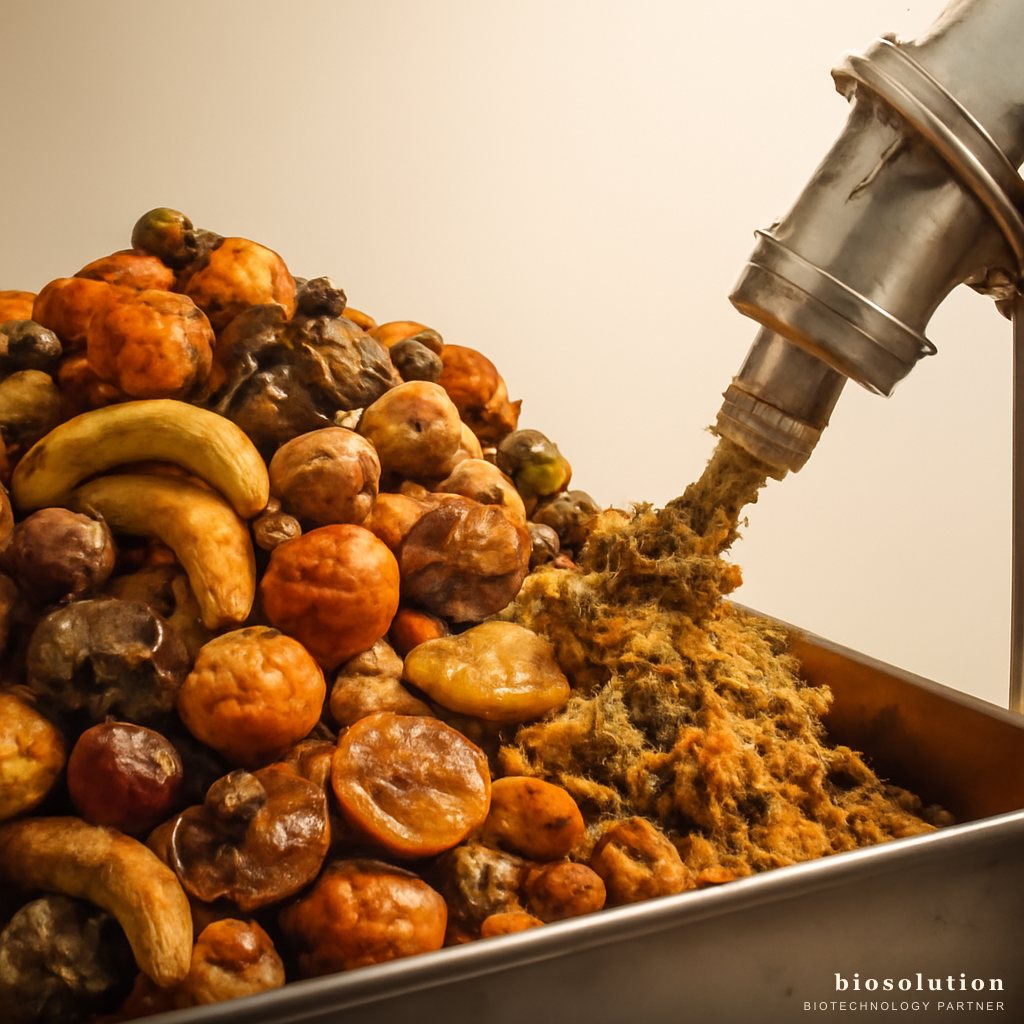
Managing fruit and vegetable market waste compost remains a major challenge for traditional market managers in Indonesia. Piles of rotting leftover goods not only cause unpleasant odors but also attract disease vectors and pollute the environment. Yet, with the right technique, this waste can be turned into quality compost in just weeks. The key lies in selecting the right decomposer and understanding the biological processes involved. This article will discuss six organic waste decomposer formulas you can apply, as well as common mistakes to avoid.
Why Does Fruit and Vegetable Market Waste Compost Often Fail?
Many market managers have tried making compost, but the results are often rotten, smell like ammonia, or take too long to mature. The most fundamental mistake is assuming all organic waste is the same. In fact, fruit and vegetable market waste has special characteristics: high moisture content (80-90%), acidic pH, and an unbalanced C/N ratio. Without proper handling, the waste pile will undergo anaerobic fermentation, producing methane and volatile organic acids—the main cause of foul odors.
Additionally, many people use decomposers carelessly without considering the microbial strains they contain. Inappropriate microbes die before they can work or even slow down the process. Therefore, understanding the right decomposer formula is key to successful composting.
6 Organic Waste Decomposer Formulas for Traditional Markets
1. Basic Formula: Bacillus + Aspergillus Consortium
This formula is a mainstay in rapid composting. Bacillus sp. is a bacterium capable of producing large amounts of protease, amylase, and lipase enzymes, effectively breaking down proteins, starch, and fats from fruit and vegetable waste. Meanwhile, Aspergillus sp. (mold) plays a role in degrading more complex cellulose and lignin. The combination creates synergy: bacteria work quickly in the early phase, while molds continue in the later phase.
Products like Organic Waste Decomposer Formula from Biosolution contain this consortium at the right dosage: 1 L per m³ of waste, applied once in the afternoon. As a result, waste volume decreases by 30-50% within 2 weeks, and compost is ready in 4-6 weeks.
2. Anti-Odor Formula: Streptomyces sp. as a Natural Antibiotic Producer
One of the main complaints from market managers is the pungent smell from waste piles. Streptomyces sp. is an actinomycete capable of producing natural antibiotic compounds (geosmin) and chitinase enzymes. Besides suppressing the growth of putrefactive bacteria, Streptomyces also helps degrade chitin from leftover shrimp shells or insects that may be mixed in. Ammonia odor decreases significantly within 3-5 days after application.
3. Moisture Control Formula: Addition of Dry Materials
Another common mistake is excess moisture. Fruit and vegetable market waste is already very wet, so carbon-rich materials like sawdust, straw, or dry leaves need to be added. Ideally, the initial C/N ratio is set at around 30:1. For every 100 kg of wet waste, add 10-15 kg of dry material. This also helps aerate the pile.
4. Acceleration Formula with Molasses
Microbes need energy to multiply. Adding molasses (cane syrup) at 1-2% of waste weight can accelerate microbial activity. Molasses provides easily digestible simple sugars, so bacterial populations increase rapidly within the first 24-48 hours. Mix molasses with water before sprinkling it over the pile.
5. Aeration Formula: Regular Turning
Although decomposers work aerobically, oxygen must still be available. A waste pile that is too dense will lack oxygen and become anaerobic. Turn the pile every 3-4 days, especially in the first week. Use a fork or compost turner to allow air to reach all parts of the pile.
6. Monitoring Formula: Check Temperature and pH
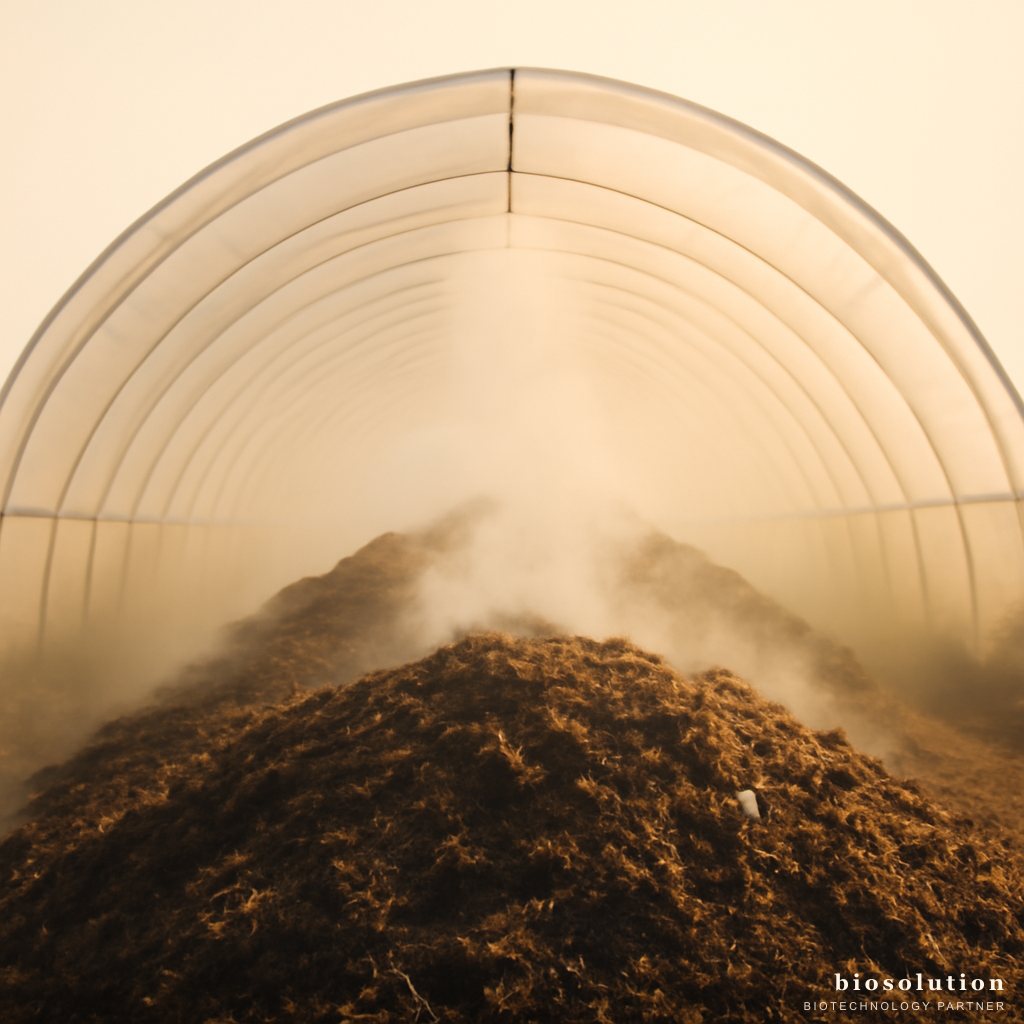
A healthy composting process is marked by a temperature rise to 50-60°C on days 2 to 5. This temperature kills pathogens and weed seeds. If the temperature does not rise, microbial activity is low—possibly due to nitrogen deficiency or improper moisture. Ideal pH ranges from 6.5 to 8.0. pH that is too acidic (<5.5) inhibits bacteria; add dolomite lime if necessary.
The Role of Decomposers in Accelerating the Process
Decomposers like Organic Waste Decomposer Formula work by inoculating waste with large numbers of superior microbes. Unlike wild microbes in the environment, the microbes in this product have been selected for their abilities. Streptomyces sp., for example, produces enzymes capable of degrading complex compounds like lignin and cellulose that are difficult to break down. The Bacillus and Aspergillus consortium works synergistically: bacteria break down small molecules, molds attack large molecules. As a result, composting time can be reduced from 3-4 months to 4-6 weeks.
Additionally, decomposers help reduce greenhouse gas emissions. Controlled aerobic processes produce CO₂ and water, not methane. This is important for markets that want to implement environmentally friendly practices and meet ISO 14001 standards or the Adipura program.
Application Guide for Organic Waste Decomposer Formula
Here are practical steps that can be applied in traditional markets:
- Prepare the compost area: Choose a shaded spot near a water source and away from settlements. Create a bin or pile with a minimum size of 1 m³.
- Layering: Arrange the waste in layers: a waste layer (20 cm), then sprinkle dry material (5 cm), and spray the decomposer solution. Repeat until the pile is 1-1.5 m high.
- Apply decomposer: Dissolve 1 L of Organic Waste Decomposer Formula in 10 L of water, then spray evenly over each layer. Do this in the afternoon to avoid UV rays that can kill microbes.
- Cover with a tarp: Keep the pile covered for the first 3 days to maintain moisture and temperature.
- Turning: After day 3, remove the tarp and turn the pile. Repeat every 3-4 days.
- Harvest: After 4-6 weeks, the compost is ready. Characteristics: dark brown color, crumbly texture, earthy smell, and temperature has dropped.
Case Study: Success at Cibitung Main Market
Cibitung Main Market in Bekasi produces 5 tons of fruit and vegetable waste per day. Before using a decomposer, they struggled with odor and flies. After adopting the Organic Waste Decomposer Formula, within 2 weeks the odor drastically reduced, waste volume shrank by 40%, and the resulting compost was directly used for city parks. Waste management costs also dropped by 30% due to reduced transportation frequency.
Conclusion
Managing fruit and vegetable market waste compost doesn't have to be complicated if you understand the waste characteristics and choose the right decomposer. The six formulas above—Bacillus+Aspergillus consortium, Streptomyces sp., moisture control, molasses, aeration, and monitoring—are the keys to success. With products like Organic Waste Decomposer Formula from Biosolution, you can turn a waste problem into a valuable solution. For more information, consult your needs via our WhatsApp.
FAQ
What is the main cause of fruit and vegetable market waste compost rotting quickly?
The main causes are excessively high moisture and an unbalanced C/N ratio. Fruit and vegetable waste contains a lot of water and nitrogen, so without adding carbon-rich materials (sawdust, straw), the pile undergoes anaerobic fermentation, producing foul odors. Use a decomposer containing aerobic microbes like Bacillus to address this issue.
How long does it take to make compost with a decomposer?
With a quality decomposer like the Organic Waste Decomposer Formula, compost can mature in 4-6 weeks. The process is faster if the pile is kept at 50-60% moisture and turned regularly. Without a decomposer, the process can take 3-4 months.
Is the decomposer safe for the environment?
Yes, decomposers based on natural microbes like Streptomyces sp. and Bacillus sp. are safe for the environment and humans. These microbes are not pathogenic and actually help suppress the growth of harmful bacteria. Biosolution products have been tested and meet environmental standards.
How to deal with odor during composting?
Ammonia odor indicates an anaerobic process. Solutions: add dry materials, turn the pile for better aeration, and use a decomposer containing Streptomyces sp., which can suppress putrefactive bacteria. Reapplying the decomposer can also help.
Can compost from market waste be used directly?
Mature compost (dark brown, crumbly, odorless) can be used directly as organic fertilizer for ornamental plants, gardens, or agricultural land. However, if intended for food crops, it is advisable to compost longer or ferment again to ensure pathogens are completely killed.