Fruit and Vegetable Market Waste Compost: Fast Solution with Decomposer
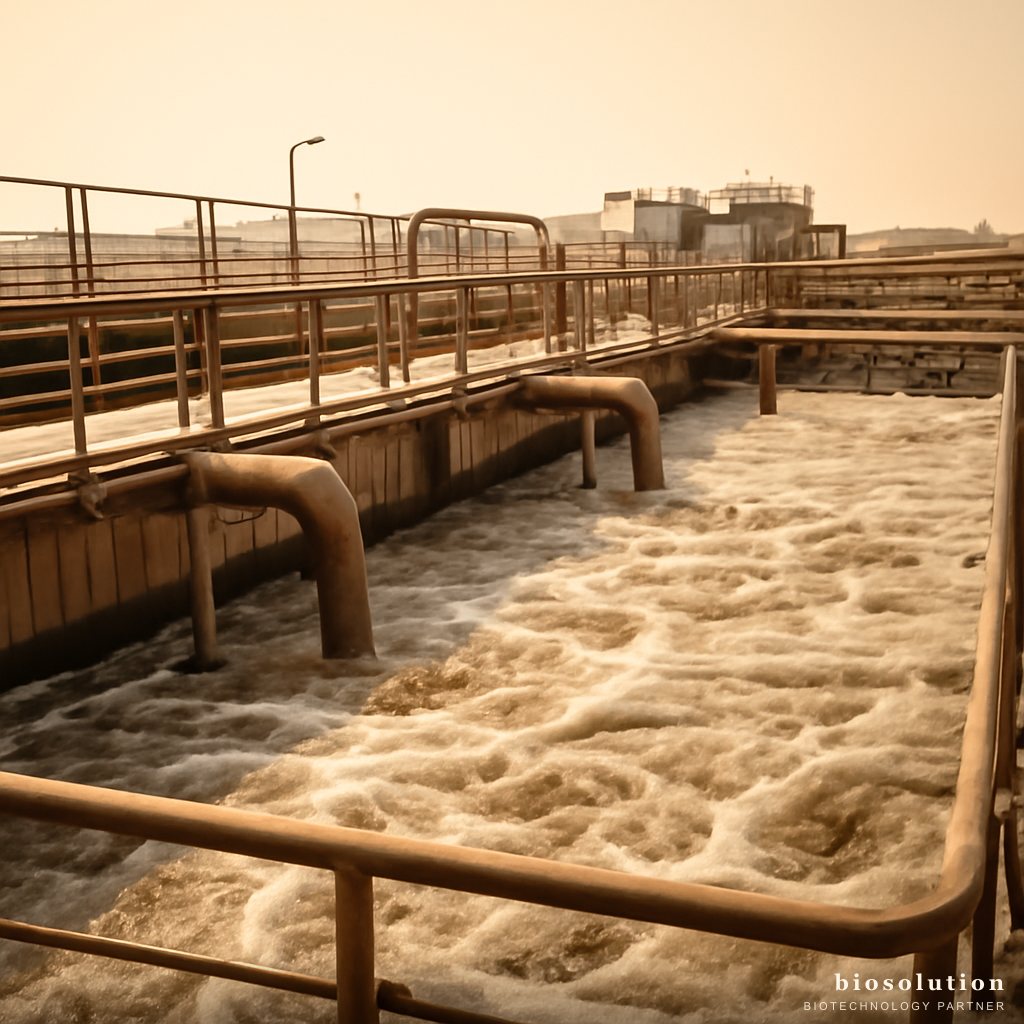
Every day, traditional markets produce tons of rotting fruit and vegetable waste. Without proper handling, these piles create foul odors, attract flies, and pollute the environment. However, there is a solution: fast fruit and vegetable market waste compost with a decomposer. By utilizing decomposing microorganisms, organic waste can be turned into quality compost in a short time. This article will thoroughly discuss regulations, impacts, and environmentally friendly biological solutions.
Regulations for Market Waste Management in Indonesia
The Indonesian government, through various regulations, requires market managers to manage waste responsibly. Law No. 18 of 2008 on Waste Management mandates waste reduction and handling at the source. Traditional markets are categorized as sources of organic waste that must be managed using the 3R principle (Reduce, Reuse, Recycle).
Furthermore, Minister of Environment and Forestry Regulation No. 75 of 2019 on the Waste Management Roadmap targets a 30% waste reduction by 2025. Fruit and vegetable market waste, which accounts for 60-70% of total market waste, is a priority. By implementing composting, markets not only comply with regulations but also produce economically valuable products.
Negative Impacts of Unmanaged Market Waste
Unmanaged fruit and vegetable market waste has serious impacts. First, foul odors from decomposition disturb the comfort of traders and visitors. Methane gas produced from anaerobic decomposition also contributes to the greenhouse effect. Second, flies and rats become disease vectors, increasing public health risks. Third, leachate seeping into the ground can contaminate groundwater and rivers.
The large volume of waste also burdens market operational costs. Transportation costs to landfills (TPA) continue to rise. Therefore, in-situ composting solutions are a more economical and sustainable choice.
Why Biological Decomposers Are Effective for Fruit and Vegetable Waste?
The natural composting process takes 2-3 months. However, with the help of biological decomposers, this time can be reduced to 3-4 weeks. Organic Waste Decomposer Formula from Biosolution contains a consortium of superior microorganisms that work synergistically.
The Role of Streptomyces sp. in Decomposition
Streptomyces sp. are Gram-positive bacteria known for producing enzymes and natural antibiotics. In composting, Streptomyces produces cellulase, xylanase, and chitinase enzymes that break down tough plant cell walls, such as those in fruit peels and vegetable stems. These enzymes accelerate the degradation of lignin and cellulose, which are usually limiting factors in compost speed.
Consortium of Bacillus and Aspergillus
The consortium of Bacillus and Aspergillus works across a wide range of temperatures and pH levels. Bacillus subtilis and Bacillus licheniformis produce protease and amylase that digest proteins and starch. Meanwhile, Aspergillus niger and Aspergillus oryzae are molds highly efficient at breaking down pectin and cellulose. This combination ensures all components of fruit and vegetable waste decompose quickly.
How to Make Market Waste Compost with a Decomposer
Here are practical steps using Organic Waste Decomposer Formula:
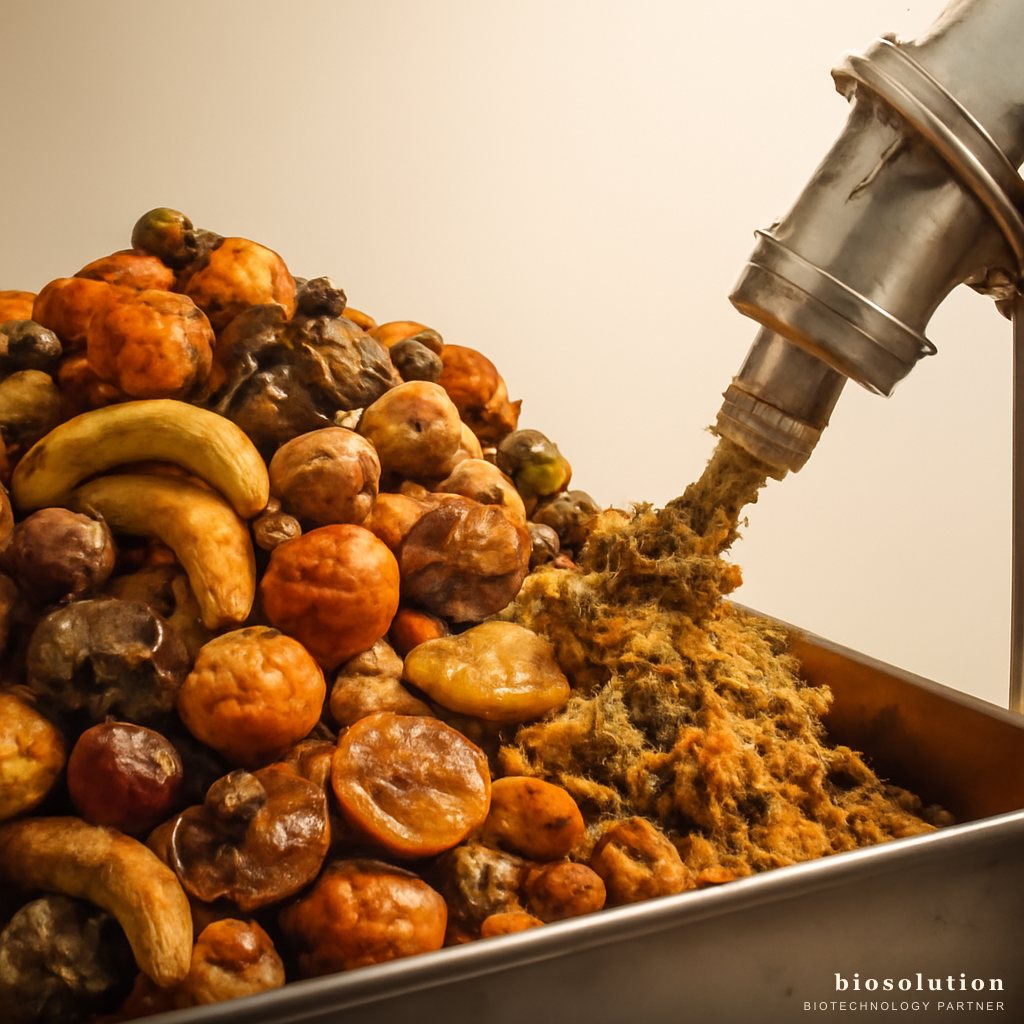
- Collect fruit and vegetable waste, cut into small pieces (5-10 cm) to increase surface area.
- Pile the waste 1-1.5 meters high, ensuring good aeration by turning the pile periodically.
- Dissolve 1 liter of Decomposer Formula in 10 liters of clean (non-chlorinated) water. Stir well.
- Sprinkle the solution evenly over the waste pile at a dose of 1 L per m³ of waste. Do this in the afternoon to avoid UV rays that can damage microbes.
- Maintain moisture (50-60%) by covering the pile with a tarp or banana leaves.
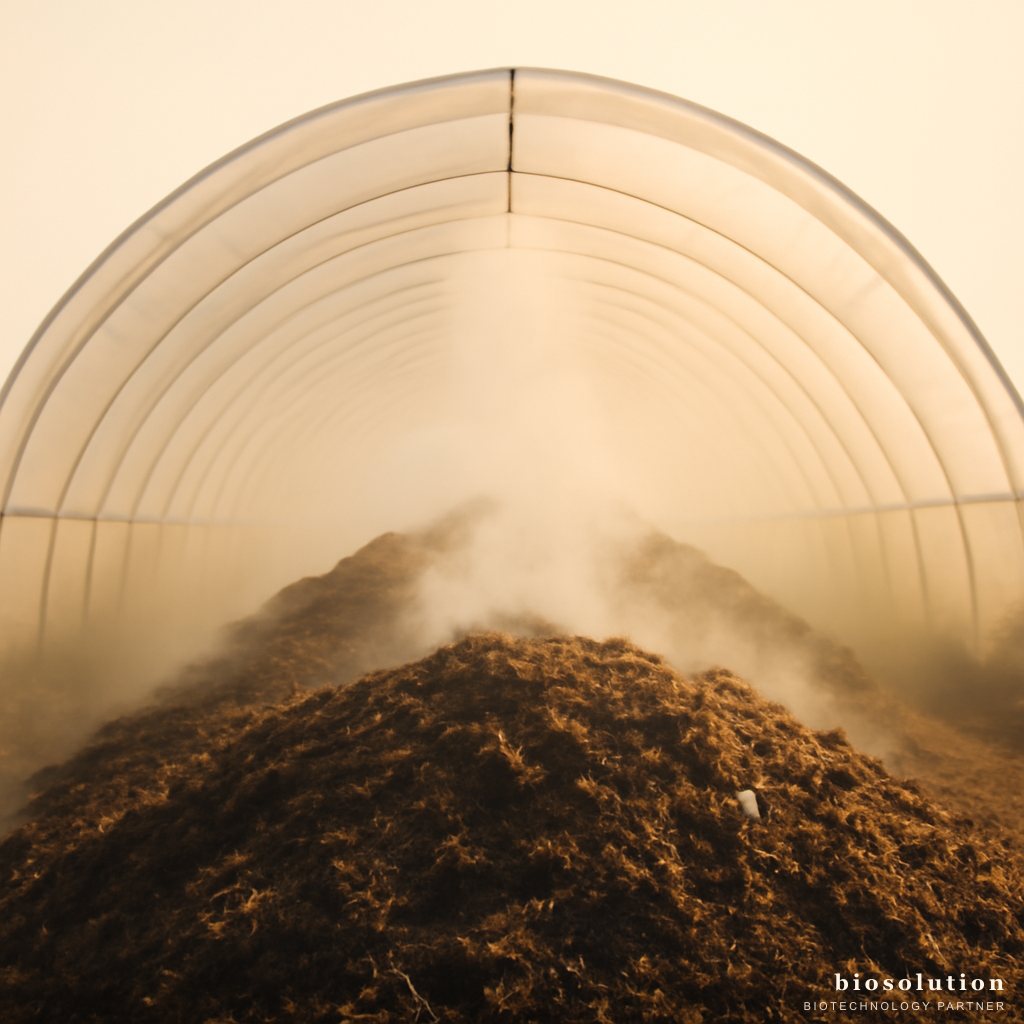
- Turn the pile every 3-4 days for aeration. Compost is ready in 3-4 weeks if characterized by a dark brown color, earthy smell, and stable temperature.
Benefits of Compost for Markets and the Environment
By implementing composting, markets gain many advantages:
- Waste volume reduced by 30-50%, lowering transportation costs to landfills.
- Odor significantly reduced because decomposers convert odor-causing compounds into stable ones.
- Ready-to-use compost for market gardens, ornamental plants, or sold to farmers as organic fertilizer.
- Compliance with environmental standards and improved market image as a clean and environmentally friendly place.
Case Study: Successful Composting in Traditional Markets
Several traditional markets in Indonesia have successfully implemented this system. For example, Pasar Induk Kramat Jati in Jakarta manages 10 tons of waste per day into compost within 3 weeks using a decomposer. As a result, waste management costs dropped by 40%, and the compost is sold to nearby farmer groups. This shows that biological solutions are not only effective but also economical.
Conclusion
Fast fruit and vegetable market waste compost with a decomposer is the right solution to address organic waste problems in traditional markets. By utilizing microorganisms such as Streptomyces sp., Bacillus, and Aspergillus, the composting process becomes more efficient, environmentally friendly, and profitable. Support your market waste management with Organic Waste Decomposer Formula from Biosolution. For further consultation, contact our team via WhatsApp.
FAQ
What is fruit and vegetable market waste compost?
Fruit and vegetable market waste compost is organic fertilizer produced from the decomposition of fruit and vegetable waste from traditional markets. This process is accelerated with the help of decomposing microorganisms, resulting in mature compost in a short time.
How long does it take to make compost with a decomposer?
Using a decomposer like the Organic Waste Decomposer Formula, compost can mature in 3-4 weeks, much faster than the natural process which takes 2-3 months. Temperature, moisture, and particle size also affect the speed.
Is the decomposer safe for the environment?
Yes, decomposers containing natural microorganisms such as Streptomyces, Bacillus, and Aspergillus are safe for the environment. These microbes are non-pathogenic and actually help improve soil structure and reduce greenhouse gas emissions from waste.
How to apply the Organic Waste Decomposer Formula?
Simply dissolve 1 liter of Decomposer Formula in 10 liters of water, then sprinkle over the waste pile at a dose of 1 L per m³ of waste. Apply once in the afternoon. Keep the pile moist and turn it periodically for optimal results.
Can compost from market waste be used directly?
Mature compost (dark brown color, earthy smell, cool temperature) can be used directly as organic fertilizer for plants. It is advisable to sift it first to separate any undecomposed material.