Fruit and Vegetable Market Waste Compost: Monitoring BOD, COD, and Odor
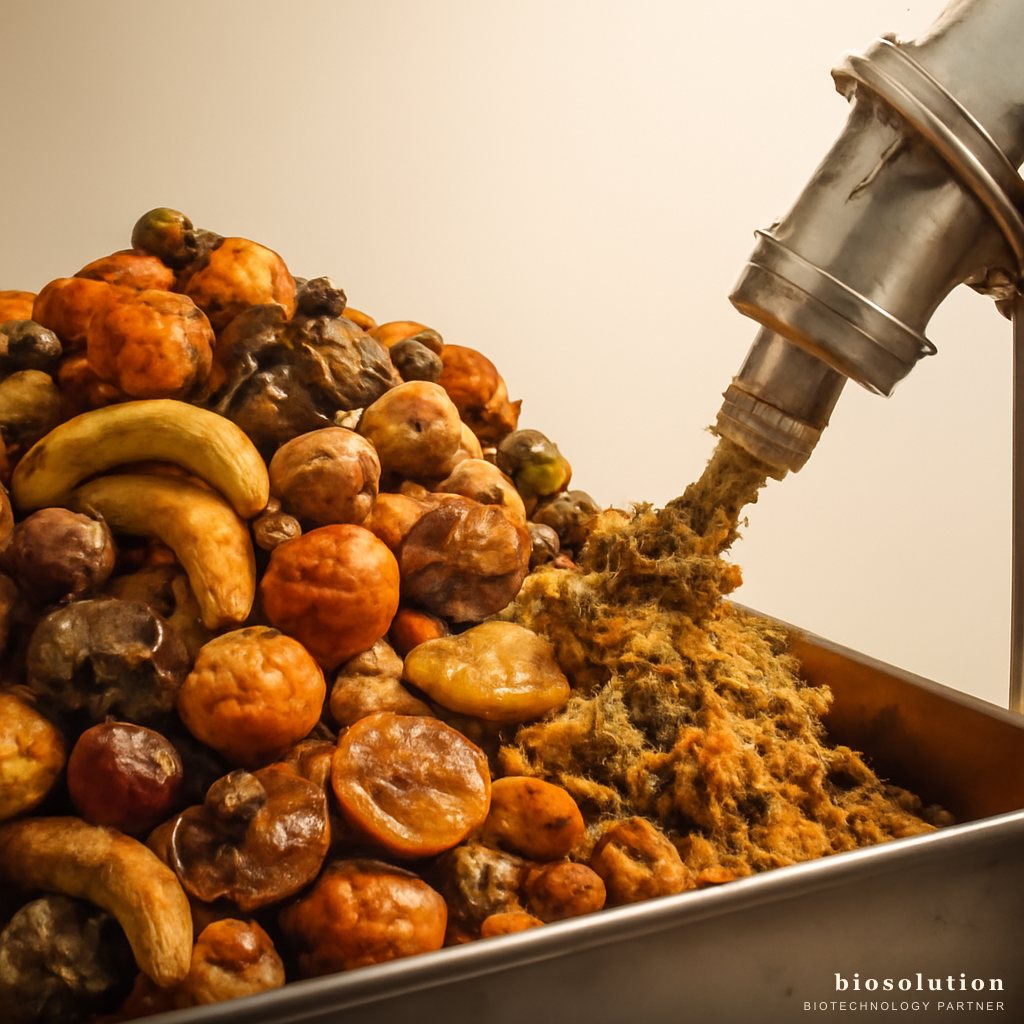
Traditional market waste, especially from fruits and vegetables, poses a serious challenge for market managers. Every day, piles of organic waste quickly rot, producing strong odors and attracting flies. However, with proper composting techniques using a decomposer, this waste can be turned into valuable compost. The key is to monitor post-application parameters such as BOD (Biochemical Oxygen Demand), COD (Chemical Oxygen Demand), and odor. This article will guide you on how to monitor these parameters so that the composting process runs optimally and meets environmental standards.
Why Monitoring BOD, COD, and Odor is Important?
When organic waste decomposes naturally, the anaerobic process produces odorous gases such as ammonia and hydrogen sulfide. BOD and COD are indicators of organic matter content in leachate seeping from the compost pile. High BOD/COD values indicate a large amount of dissolved organic compounds that have not yet decomposed, potentially contaminating groundwater. By monitoring these three parameters, market managers can ensure that the decomposer works effectively to suppress odors and accelerate decomposition. Environmental quality standards (e.g., Minister of Environment Regulation No. 5/2014) require a maximum BOD of 50 mg/L and COD of 100 mg/L for discharged leachate. Routine monitoring helps avoid sanctions and maintain the market's image.
BOD Parameter: Indicator of Composting Quality
Biochemical Oxygen Demand (BOD) measures the oxygen required by microorganisms to decompose organic matter in leachate. The higher the BOD, the more organic pollutants. At the beginning of composting, BOD can reach thousands of mg/L because microbes are actively breaking down easily degradable compounds such as sugars and starches from fruits. However, after decomposer application, BOD should drop drastically within 7-14 days. Organic Waste Decomposer Formula contains a consortium of Bacillus and Aspergillus that accelerate the hydrolysis of complex polysaccharides, thus quickly lowering BOD. Measure BOD on day 0 (before application), day 7, and day 14. Use a BOD meter or send samples to a laboratory. Target a BOD reduction of at least 60% within two weeks.
COD Parameter: Monitoring Chemical Compounds
Chemical Oxygen Demand (COD) measures the total oxygen required to chemically oxidize all organic compounds, including those that are difficult to biodegrade. COD is usually higher than BOD. The BOD/COD ratio indicates the biodegradability of the waste. If the ratio is above 0.5, the waste is easily biodegradable. Fruit and vegetable market waste generally has a ratio of 0.6-0.8. With a decomposer, COD can drop by up to 70% within 3 weeks. Streptomyces sp. in the Biosolution formula produces cellulase and ligninase enzymes that break down tough fibers like fruit peels and vegetable stems. COD monitoring is important to ensure that leachate is safe to discharge into city drains. Perform COD testing using the closed reflux method or spectrophotometry.
Odor Control: Indicator of Success
Odor is a major problem in traditional markets. The source of odor is volatile compounds such as ammonia (NH3), hydrogen sulfide (H2S), and mercaptans. Anaerobic processes produce foul odors, while good aerobic composting is almost odorless. By spraying the decomposer, aerobic microbes dominate and convert odorous compounds into odorless ones. Bacillus spp. in the formula can degrade proteins and fats that cause odor. Odor parameters can be monitored qualitatively (sense of smell) or quantitatively using a gas detector. Ideally, after 3-5 days of application, foul odors are significantly reduced and replaced by an earthy smell. If the odor is still strong, the aerobic process is not optimal; increase the turning frequency or decomposer dosage.
Decomposer Application Method for Maximum Results
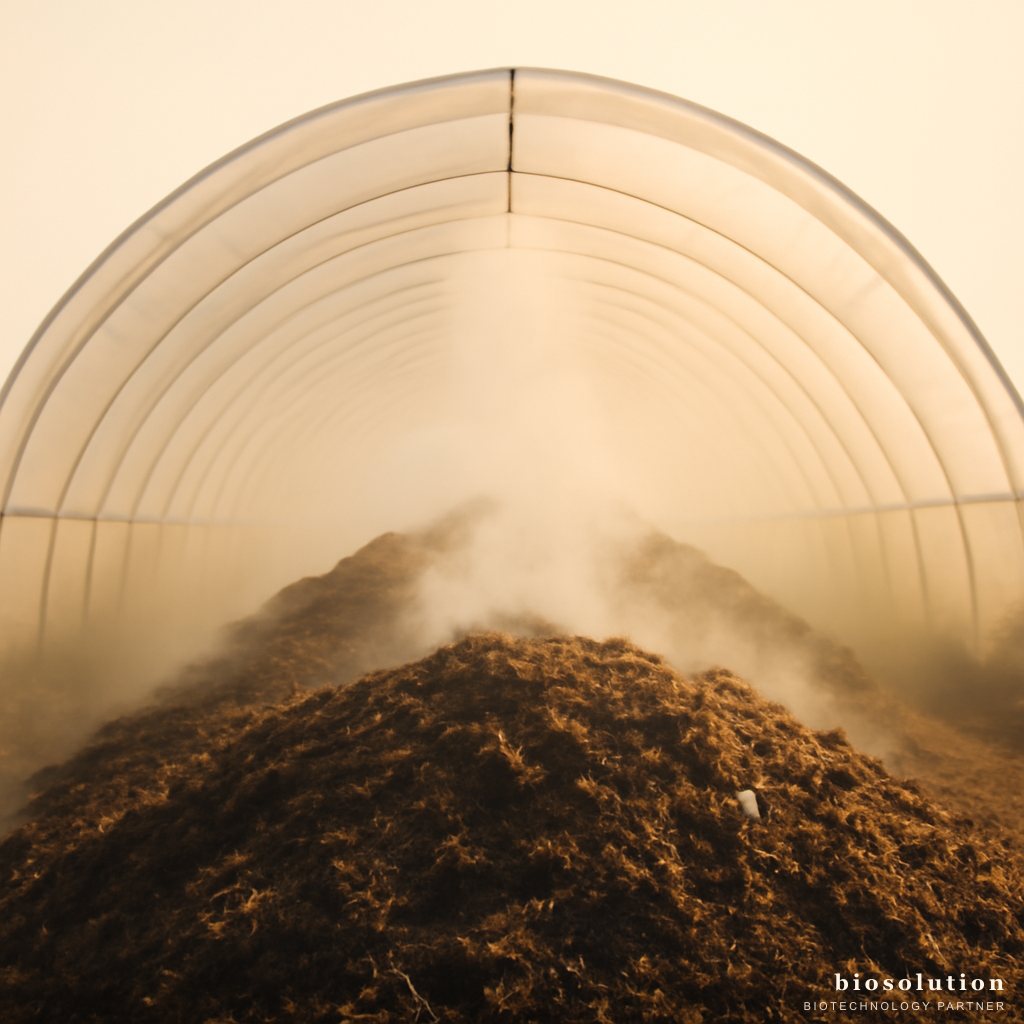
Applying Organic Waste Decomposer Formula is quite simple: spray 1 liter of solution per cubic meter of waste in the afternoon. Ensure the waste is shredded to increase surface area. After spraying, cover the pile with a tarp to maintain 50-60% moisture. Turn the pile every 3-5 days to aid aeration. Monitor parameters once a week. Don't forget to record the pile temperature; an ideal temperature of 40-60°C indicates high microbial activity. For ready-to-use compost, it usually takes 3-4 weeks. Waste volume can be reduced by 30-50% due to water evaporation and mineralization.
Case Study: Main Fruit and Vegetable Market
A main market in West Java implemented a composting system with Biosolution decomposer. Before application, leachate BOD reached 2,500 mg/L and COD 4,000 mg/L, with a strong odor radius of 100 meters. After 2 weeks of regular application, BOD dropped to 450 mg/L (82% reduction) and COD to 800 mg/L (80% reduction). Odor practically disappeared after day 5. Market managers reported a drastic decrease in resident complaints. The compost produced was used for the market garden and sold to nearby farmers. This success shows that periodic parameter monitoring allows adjustment of dosage and application frequency.
Standards and Regulations for Market Waste Management
In Indonesia, market waste management is regulated by Minister of Environment Regulation No. 5/2014 concerning Wastewater Quality Standards. Maximum BOD is 50 mg/L, COD 100 mg/L, TSS 100 mg/L, and pH 6-9. For odor, there is no specific quality standard, but Minister of Environment Decree No. 50/1996 concerning Noise and Odor Level Standards states that odor should not disturb comfort. With a decomposer, these parameters can be met. Market managers are required to conduct laboratory tests every 3 months and report to the environmental agency. Organic waste management solutions from Biosolution can help meet these standards at an affordable cost.
Conclusion
Monitoring BOD, COD, and odor is key to successful composting of fruit and vegetable market waste. By using a decomposer containing Bacillus, Aspergillus, and Streptomyces sp., the decomposition process is accelerated, odors are suppressed, and compost quality improves. Monitored parameters make it easier for market managers to take corrective action if deviations occur. As a result, waste is no longer a burden but a valuable resource. For further consultation, contact the Biosolution team via WhatsApp or see the Organic Waste Decomposer Formula product for a complete market waste management solution.
FAQ
1. How long does it take for BOD to decrease after decomposer application? Significant BOD reduction is usually seen within 7-14 days after application, depending on waste conditions and temperature. With the right decomposer, BOD can drop by 60-80% in two weeks.
2. Can odor parameters be measured quantitatively? Yes, odor can be measured using a portable gas detector that detects ammonia and H2S. However, for market managers, sensory observation is sufficient as an initial indicator.
3. What if COD does not decrease after application? If COD does not decrease, the moisture may be too high or aeration insufficient. Also check the decomposer dosage; ensure 1 L per m³ of waste. Turn the pile more frequently.
4. Is compost from market waste safe for plants? Yes, as long as the composting process is mature (stable temperature, black color, earthy smell). Ensure no heavy metal contamination. Laboratory testing is recommended before widespread use.
5. What is the cost of decomposer application per cubic meter of waste? The cost depends on the product price, but averages IDR 5,000-10,000 per m³ of waste per application. Much cheaper than the cost of transporting waste to landfill.