Integrated Biocontrol in IPM: A Biological Pest Control Strategy for Sustainable Plantations
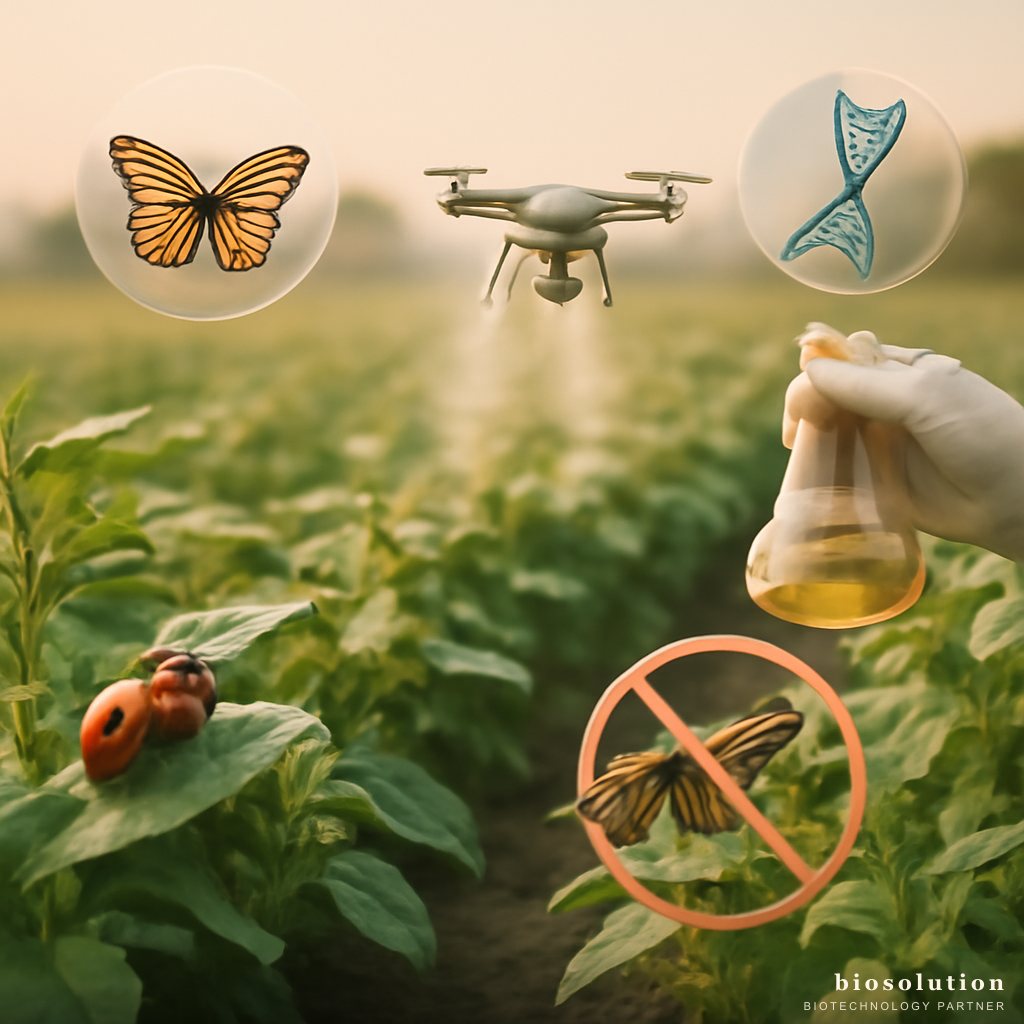
Integrated Pest Management (IPM) is a holistic approach that integrates various control methods to suppress pest populations below economic thresholds. In practice, integrated biocontrol in IPM is a key pillar because it utilizes natural enemies such as biological agents. This article will discuss pest life cycles, damage symptoms, economic thresholds, and the role of biological insecticide formulations based on Beauveria bassiana and Metarhizium anisopliae in supporting successful IPM in plantations.
Why Biocontrol is Key in IPM?
IPM is not merely about replacing chemical pesticides with biological ones, but about managing the ecosystem intelligently. Biocontrol uses insect-pathogenic microorganisms such as entomopathogenic fungi to control pests naturally. Its advantages: leaves no residues, is safe for other natural enemies, and reduces pest resistance. In the context of plantations, implementing integrated biocontrol in IPM helps farmers reduce long-term production costs while maintaining soil and environmental health.
The Role of Entomopathogenic Fungi in Biocontrol
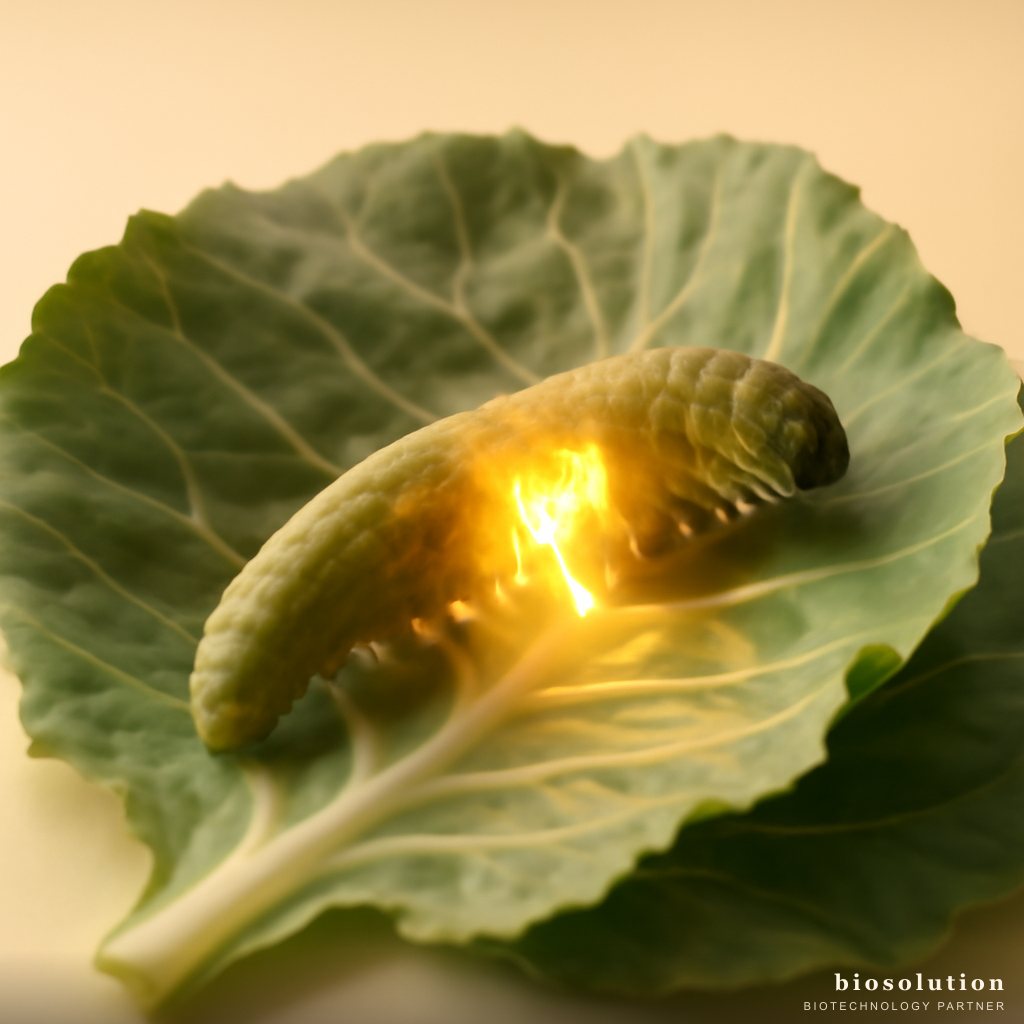
The fungi Beauveria bassiana and Metarhizium anisopliae are two biological agents that have proven effective in controlling various insect pests. Their mechanism of action begins when spores attach to the insect's cuticle, then germinate and penetrate the host's body with the help of protease and chitinase enzymes. After that, mycelium grows inside the body, destroys tissues, and eventually sporulates on the insect carcass, which then becomes a source of infection for other insects. This process is highly compatible with IPM principles because it is target-specific and does not disrupt ecosystem balance.
Pest Life Cycle and Damage Symptoms: Key to Determining Application Timing
Understanding the pest life cycle is crucial for determining when biocontrol application is most effective. Insect pests generally go through egg, larva, pupa, and adult stages. In the larval (caterpillar) and nymph stages, insects are actively moving and have relatively soft cuticles, making them more susceptible to fungal infection. Damage symptoms vary depending on the pest type, for example:
- Armyworm (Spodoptera litura): Irregular holes in leaves, black excrement attached, and high populations during the dry season.
- Coconut rhinoceros beetle (Oryctes rhinoceros): Young leaves cut symmetrically, holes in fronds, and larvae living inside the stem.
- Brown planthopper (Nilaparvata lugens): Yellowing leaves, wilting plants, and honeydew that triggers sooty mold.
By recognizing early symptoms, farmers can take action before pest populations exceed the economic threshold. Biocontrol application should be done when pest populations are still low to moderate, i.e., during early instar larval stages, for maximum efficacy.
Economic Threshold: When to Act?
The economic threshold is the pest population level at which the damage caused equals the cost of control. In IPM, control actions are only taken if the pest population has reached or exceeded the economic threshold. For certain pests, the economic threshold can be the number of larvae per plant or the percentage of damaged leaves. For example, in soybeans, the economic threshold for armyworm is 2-3 larvae per plant during the vegetative stage. Integrated biocontrol in IPM allows farmers to apply biological agents preventively or curatively without having to wait for the economic threshold, due to their environmentally friendly nature and lack of resistance induction.
Biological Insecticide Formulation: A Practical Solution for Plantations
One of Biosolution's flagship products is the Broad-Spectrum Biological Insecticide Formula. This product contains two superior entomopathogenic fungal strains, Beauveria bassiana and Metarhizium anisopliae, each at a minimum concentration of 10⁶ CFU/ml. This formulation is designed to control common insect pests such as caterpillars, beetles, and planthoppers. With efficacy reaching 80–85%, this product is free from chemical residues and safe for workers and the environment.
Proper Application Method
Application is done by thoroughly spraying the plant canopy. The recommended dosage is 2–3 ml per liter of water (or 3–5 g/L if in WP form). Application frequency is every 7–10 days when pest populations begin to increase, with the best time being in the late afternoon when relative humidity is >70%. These conditions support spore germination and penetration into the insect's body. For optimal results, combine with other IPM practices such as using trap crops or natural predator enemies.
Product Advantages in IPM Programs
This product is highly compatible with IPM programs because it does not kill natural enemies such as predators and parasitoids. Additionally, the dual mechanism of action from two fungal strains broadens the target pest spectrum. Beauveria bassiana is effective against soft-bodied insects, while Metarhizium anisopliae excels against beetles and soil-dwelling caterpillars. Thus, one product can address various pest types that often appear simultaneously in plantations.
Case Study: Biocontrol Application in Plantations
As an illustration, a corn plantation in East Java experienced attacks from armyworms and root beetles. After implementing integrated biocontrol in IPM using the Biological Insecticide Formula, pest populations dropped drastically within two weeks. Farmers reported leaf damage reduced by up to 70% and yields increased by 15% compared to conventional chemical pesticide application. This success was due to regular monitoring and timely application according to economic thresholds.
The Role of Field Agricultural Extension Officers in Supporting Integrated Biocontrol
Field Agricultural Extension Officers (PPL) play a strategic role in educating farmers about IPM principles and the use of biocontrol. With a good understanding of pest life cycles and economic thresholds, PPL can help farmers make informed decisions. Training on making light traps, identifying natural enemies, and calibrating sprayers are important skills to master. Biosolution actively supports PPL by providing technical materials and quality products that are easily accessible.
Conclusion
Integrated biocontrol in IPM is a sustainable, effective, and environmentally friendly pest control strategy. By understanding pest life cycles, damage symptoms, and economic thresholds, farmers can apply biological agents such as Beauveria bassiana and Metarhizium anisopliae in a timely manner. The Broad-Spectrum Biological Insecticide Formula from Biosolution offers a practical solution with high efficacy and no residues. For more information or consultation, contact our team via WhatsApp. Together, we can achieve healthy and productive agriculture.
FAQ
1. What is integrated biocontrol in IPM? Integrated biocontrol in IPM is a pest control approach that combines the use of biological agents (such as entomopathogenic fungi) with other IPM methods, such as cultural and mechanical practices, to suppress pest populations below economic thresholds in a sustainable and environmentally friendly manner.
2. How does Beauveria bassiana work in controlling pests? Beauveria bassiana works by spores attaching to the insect's cuticle, germinating, and penetrating the host's body using enzymes. Mycelium grows inside the body, destroys tissues, and eventually the insect dies. The fungus then sporulates on the carcass, spreading new spores to infect other insects.
3. When is the best time to apply biological insecticides? The best time is in the late afternoon when relative humidity is high (>70%) and temperatures are not too hot. These conditions support spore germination and penetration into the insect's body. Application should be done when pest populations are still low to moderate, especially during early instar larval stages.
4. Are biocontrol products safe for plants and natural enemies? Yes, biocontrol products like the Biological Insecticide Formula from Biosolution are safe for plants, leave no harmful residues, and do not kill natural enemies such as predators and parasitoids. These products are specific to target pests, thus maintaining ecosystem balance.
5. What is the recommended dosage for application? The recommended dosage is 2–3 ml per liter of water (or 3–5 g/L if in WP form). Application is done every 7–10 days when pest populations increase. Ensure thorough spraying over the entire plant canopy for optimal results.