Livestock Waste Odor Eliminator: Success Case Study with Microbial Decomposer
The pungent smell from livestock waste not only disturbs comfort but also becomes a source of complaints from residents and potential environmental sanctions. Microbial-based livestock waste odor eliminators offer an effective and environmentally friendly solution. This article presents a case study of a medium-scale chicken farm in West Java that successfully overcame odor problems using a microbial decomposer from Biosolution. With a scientific approach and proper application, waste that was once a problem turns into compost with economic value.
Why Livestock Waste Odor Needs Immediate Attention?
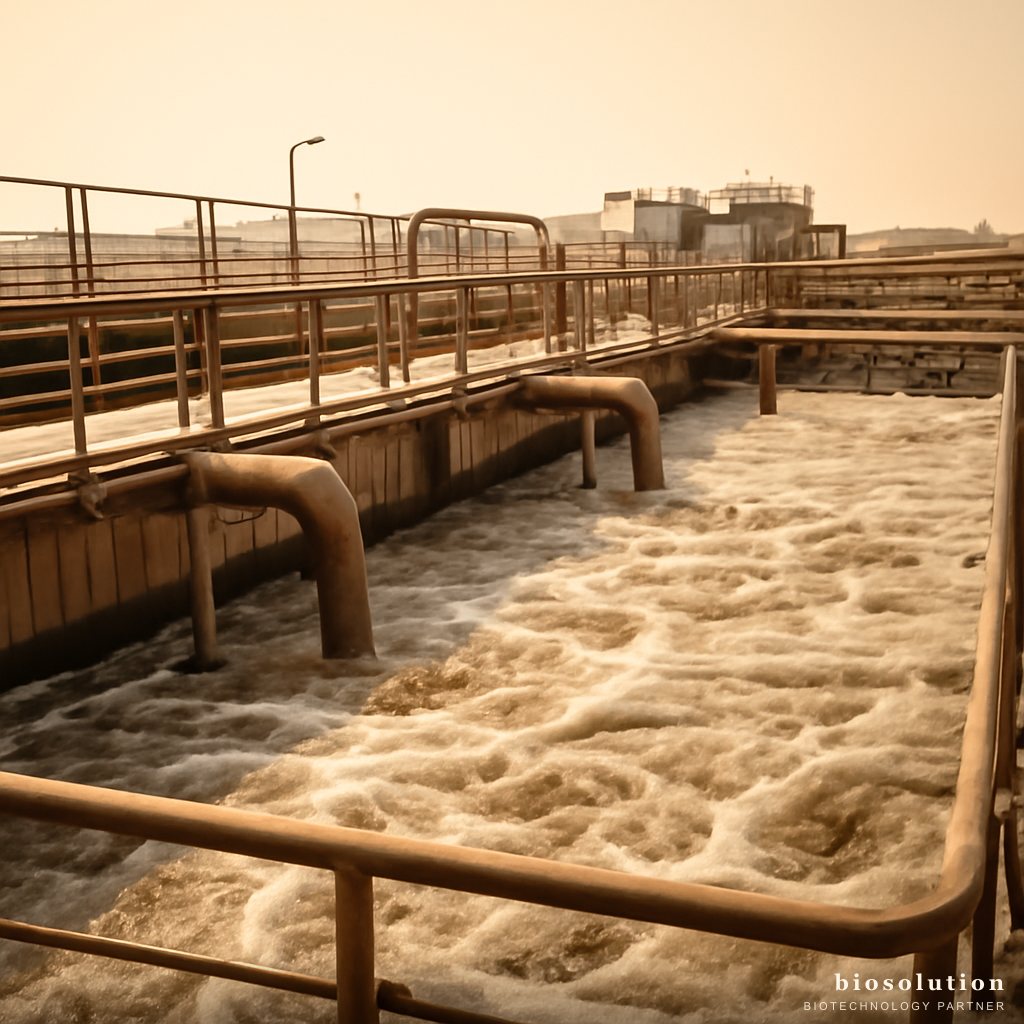
Livestock waste, especially chicken, cow, and pig manure, contains complex organic compounds such as proteins, fats, and carbohydrates. When decomposed naturally by anaerobic bacteria, foul-smelling gases like ammonia (NH₃), hydrogen sulfide (H₂S), and mercaptans are produced. These gases not only cause bad odors but are also harmful to livestock and human health. Long-term exposure to ammonia can cause respiratory problems in chickens, reduce productivity, and increase mortality. Additionally, wind-borne odors often trigger protests from surrounding communities, which can lead to lawsuits or farm closures.
Microbial Decomposer: How Livestock Waste Odor Eliminators Work
Microbial decomposers work by accelerating the aerobic decomposition process, i.e., the breakdown of organic matter with the help of oxygen. Unlike anaerobic decomposition that produces odors, aerobic decomposition yields carbon dioxide, water, and odorless humus. Biosolution's livestock waste odor eliminator product contains Streptomyces sp. and a consortium of Bacillus and Aspergillus. Streptomyces sp. produces hydrolytic enzymes such as cellulase, protease, and amylase that break down organic polymers into simple compounds. Bacillus and Aspergillus then further break down these compounds while suppressing the growth of pathogenic and odor-producing bacteria. This combination ensures rapid and efficient decomposition without generating odorous gases.
Case Study: Medium-Scale Chicken Farm in West Java
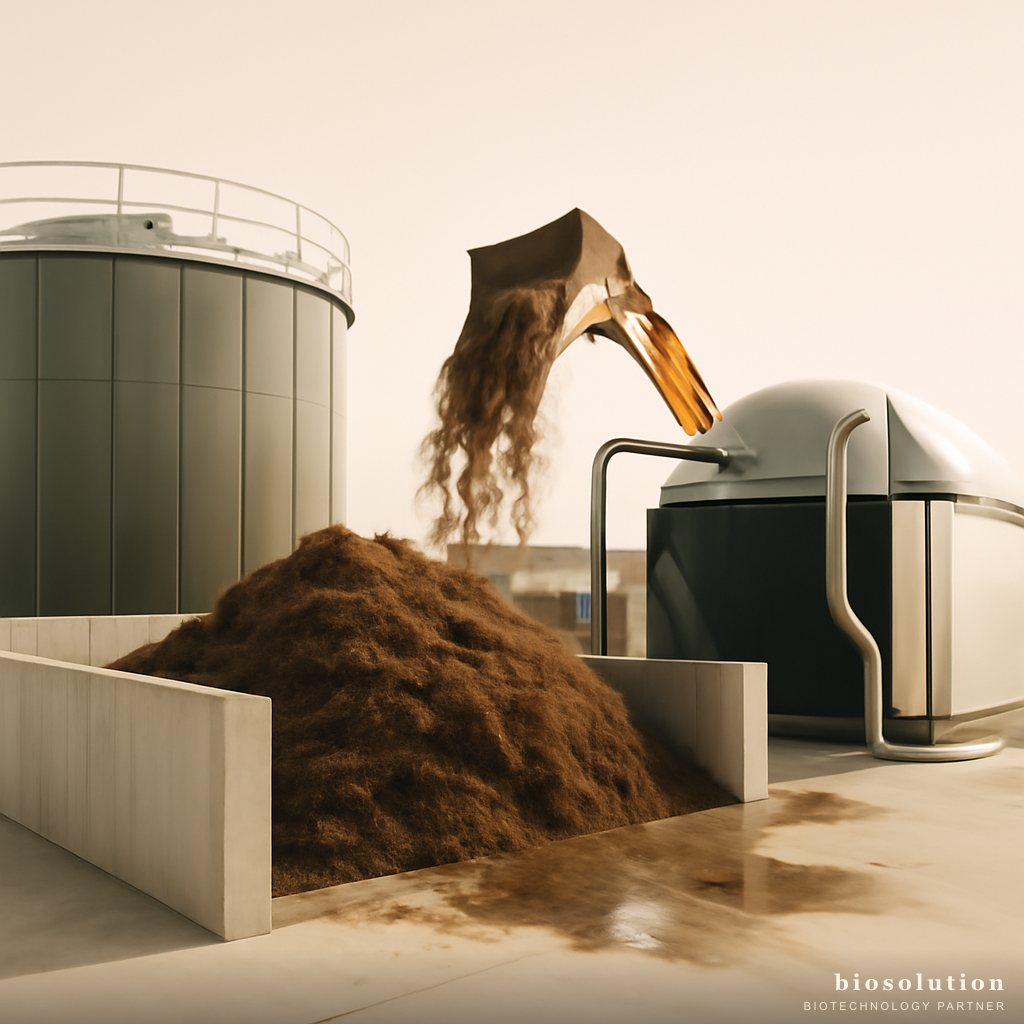
A broiler chicken farm with a population of 10,000 birds in Bogor Regency faced complaints from residents regarding odors from the coop and manure storage area. Every day, the farm produces about 1.5 tons of chicken manure. Before using the decomposer, manure was left to accumulate for 2 weeks before being transported, resulting in a very pungent odor. Farm management decided to try Biosolution's Organic Waste Decomposer Formula. Application was done by spraying 1 liter of diluted product per cubic meter of manure pile in the afternoon to avoid excessive evaporation. As a result, within 3 days the odor drastically reduced, and after 2 weeks the manure pile turned into dark, crumbly, odorless compost. Waste volume decreased by 40%, and the compost was ready for use as organic fertilizer or for sale.
Proper Application Steps
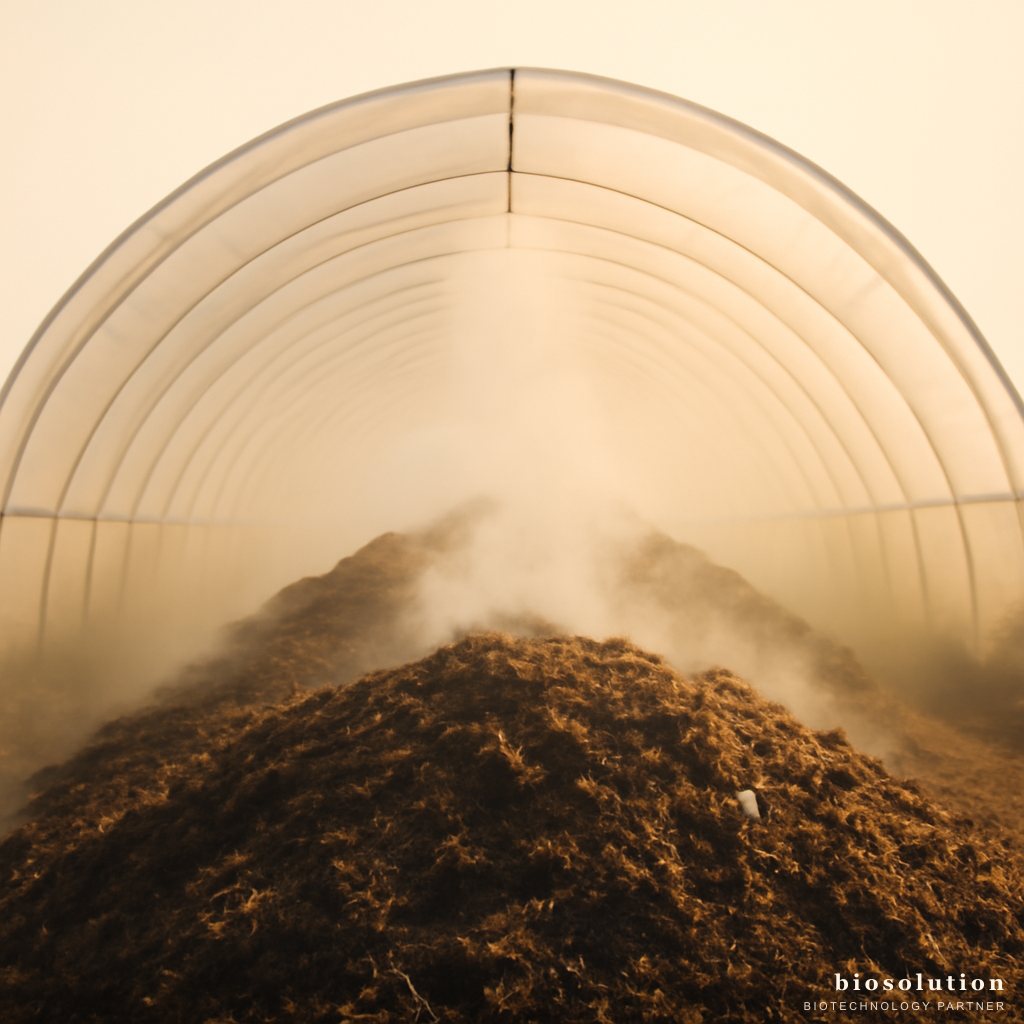
The success of this case study is inseparable from the correct application method. According to product instructions, the dosage used is 1 liter per cubic meter of waste, applied once per pile. The product is diluted with clean water at a ratio of 1:10, then evenly sprayed over the entire surface of the pile. Afternoon application was chosen because temperatures are lower and humidity higher, so microbes are not quickly killed by sunlight. The pile is gently turned to ensure all parts are exposed to the inoculant. After application, the pile is covered with a tarp to maintain moisture and prevent external disturbances.
Real Benefits of Using Microbial Decomposers
Using livestock waste odor eliminators provides measurable benefits. First, odor is significantly reduced, improving relations with surrounding communities. Second, waste volume decreases by 30-50% due to shrinkage from decomposition. Third, the resulting compost is of good quality, rich in nutrients and beneficial microbes, so it can be used as organic fertilizer for feed crops or sold as an additional income source. Fourth, easy application with only once per pile saves labor and costs. Fifth, the product meets environmental standards, helping farms comply with waste management regulations.
Before and After Comparison
Before using the decomposer, the farm spent about IDR 500,000 per week on lime and chemical odor eliminators that only provided temporary relief. After switching to the microbial decomposer, application costs were only about IDR 150,000 per week, and the compost produced could be sold for IDR 200,000 per sack. In a month, the farm earned an additional net profit of up to IDR 2 million from compost sales. Additionally, chicken mortality decreased due to improved air quality in the coop, thus increasing productivity.
Key Success Factors: Consistency and Monitoring
Although microbial decomposers are highly effective, long-term success requires consistency and monitoring. The farm in this case study regularly measures temperature, humidity, and pH of the waste pile. The ideal temperature for aerobic decomposition ranges from 40-60°C. If the temperature is too low, the process slows down; if too high, microbes may die. Humidity is maintained at around 50-60% by adding water if the pile is too dry. Odor monitoring is also done subjectively by staff. With good management, the farm successfully maintained compost quality and no longer received complaints from residents.
Challenges and Solutions in Implementation
Not all farms succeed immediately. Some challenges encountered include uneven application, using too little water, or piles that are too compacted resulting in poor aeration. The solution is to turn the pile periodically and ensure the product is mixed evenly. Extreme weather can also affect, e.g., heavy rain making the pile too wet. In such cases, the pile needs to be tightly covered. For large-scale farms, using mechanical sprayers is recommended for more efficient application.
Conclusion
This case study proves that microbial decomposer-based livestock waste odor eliminators can effectively and economically solve odor problems. With products like Biosolution's Organic Waste Decomposer Formula, farms not only reduce odor but also obtain high-quality compost with added value. Success heavily depends on proper application and routine monitoring. For farmers who want to implement similar solutions, consulting with experts can help optimize results. Contact the Biosolution team via WhatsApp for further guidance.
FAQ
What causes odor in livestock waste?
Livestock waste odor mainly comes from anaerobic decomposition of organic matter by bacteria producing ammonia, hydrogen sulfide, and mercaptan gases. These compounds have low odor thresholds, so they are easily detected even in small concentrations.
How long does it take to see odor reduction results?
With proper application of microbial decomposer, odor usually reduces significantly within 2-3 days. Complete decomposition into compost takes 2-4 weeks depending on environmental conditions.
Is the microbial decomposer safe for livestock and humans?
Yes, the microbes used such as Bacillus, Aspergillus, and Streptomyces are non-pathogenic and safe. This product has been tested and contains no harmful bacteria and does not cause negative effects on livestock or humans.
Can this product be used for all types of livestock waste?
This product is formulated for various organic wastes, including chicken, cow, pig, and goat manure. However, dosage and application methods may need adjustment based on waste type and moisture content.
Can the resulting compost be used directly as fertilizer?
Mature compost (dark, crumbly, odorless) can be directly used as organic fertilizer. It is recommended to test maturity by planting legume seeds; if they grow normally, the compost is ready to use.