Root and Stem Biofungicide: Why Chemical Pesticides Fail and 3 Effective Fungus Control Formulas
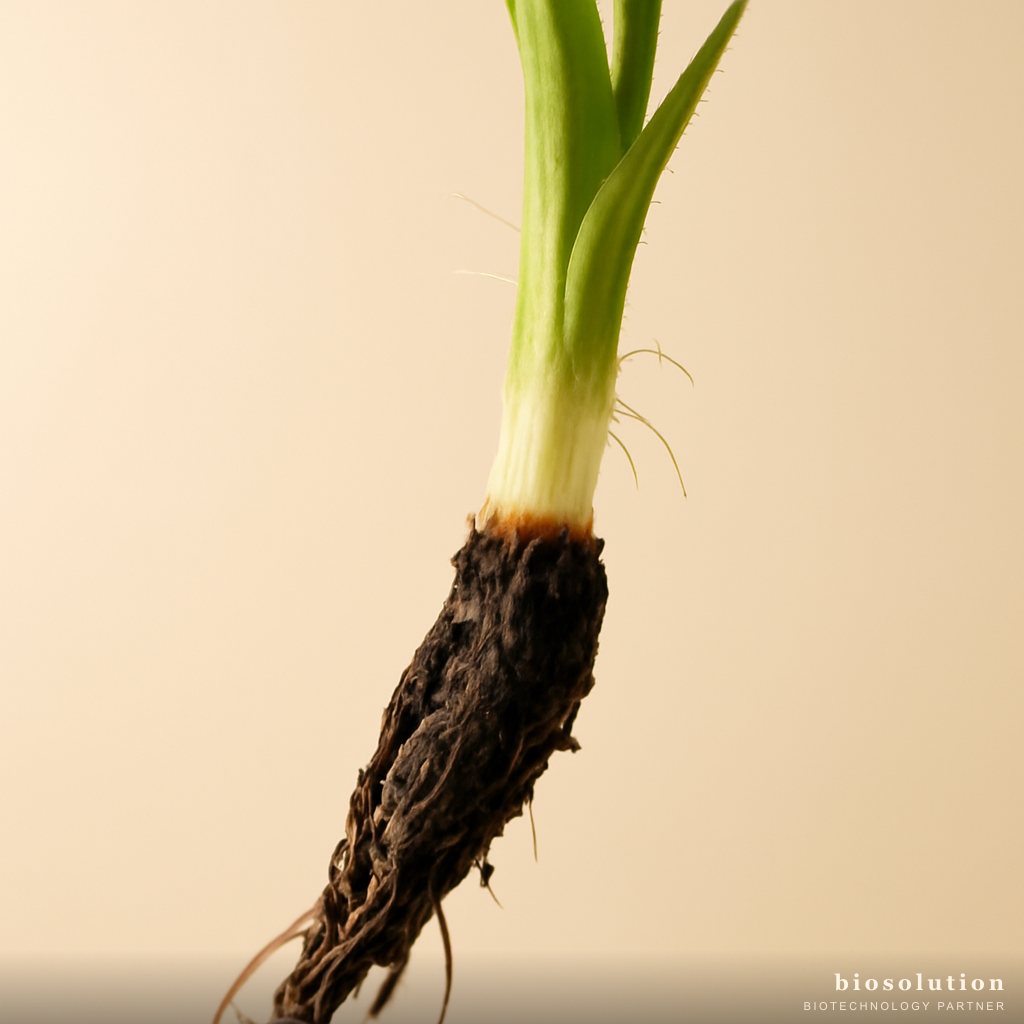
Root and stem base diseases are a nightmare for horticultural farmers. Pathogenic fungi such as Fusarium, Rhizoctonia, and Phytophthora attack the root system and stem base, causing plants to wilt, stunt, and even die. For years, farmers relied on chemical fungicides to eradicate them. However, many now complain: diseases are increasingly difficult to control, doses must be increased, and results are not improving. This phenomenon is not a coincidence, but a consequence of pathogen resistance to chemical active ingredients. Root and stem biofungicide emerges as a microbiology-based solution that not only effectively controls pathogens but is also environmentally safe and friendly to the soil ecosystem.
Why Chemical Pesticides Fail: The Phenomenon of Pathogen Resistance
Pathogen resistance to chemical fungicides is a growing global concern. Resistance mechanisms include genetic mutations in target enzymes, increased detoxification metabolism, and efflux pumps that expel toxic compounds from fungal cells. As a result, the same fungicide dose can no longer kill the pathogen. Farmers are forced to increase doses or application frequency, which in turn accelerates resistance and pollutes the environment.
According to FAO data, more than 500 species of pathogenic fungi have been reported resistant to at least one fungicide class. In Indonesia, cases of Fusarium oxysporum resistance to benomyl and Rhizoctonia solani resistance to carboxin have been documented. This resistance leads to crop failure and significant economic losses.
Unlike chemical fungicides that work on a single target, biofungicides use a multi-target approach through a consortium of antagonistic microbes. Microbes such as Trichoderma sp., Pseudomonas fluorescens, and Bacillus subtilis work through various mechanisms: nutrient competition, antibiosis, parasitism, and induction of plant resistance. Pathogens find it difficult to develop resistance to these multi-target attacks. This is why root and stem biofungicide is a more sustainable long-term solution.
3 Superior Formulas of Biosolution Root and Stem Biofungicide
The Root & Stem Fungus Control Formula product from Biosolution contains three superior antagonistic microbes that synergistically control root and stem base pathogens. Here are the roles of each:
1. Trichoderma sp.: Reliable Mycoparasite
Trichoderma sp. is a mycoparasitic fungus that directly attacks the hyphae of pathogenic fungi. The chitinase and glucanase enzymes it produces can degrade the pathogen's cell wall. Additionally, Trichoderma competes for space and nutrients in the rhizosphere, suppressing pathogen populations. The strain used in this product has been tested to inhibit the growth of Fusarium, Rhizoctonia, and Phytophthora in vitro by up to 80%.
2. Pseudomonas fluorescens: Producer of Siderophores and Antibiotics
Pseudomonas fluorescens is an antagonistic bacterium that produces siderophores—iron-chelating compounds. By binding iron around the roots, this bacterium starves the pathogen, as iron is essential for fungal growth. Additionally, this bacterium produces antibiotics such as 2,4-diacetylphloroglucinol (DAPG) that are toxic to various soil-borne pathogens. Its role as a PGPR (Plant Growth-Promoting Rhizobacterium) also stimulates root growth and enhances nutrient uptake.
3. Bacillus subtilis: Multifunctional PGPR and Biocontrol Agent
Bacillus subtilis is a Gram-positive bacterium that forms spores, making it resistant to extreme environmental conditions. This bacterium produces lipopeptides such as surfactin and iturin that have antifungal properties. As a PGPR, Bacillus also produces growth hormones (auxins, cytokinins) and enzymes that increase phosphorus availability. The combination of these three microbes in one product provides comprehensive protection against root and stem pathogens.
Mechanism of Action of Root and Stem Biofungicide: More Than Just Killing Pathogens
Root and stem biofungicide works through four main mechanisms that complement each other:
- Mycoparasitism: Trichoderma sp. directly infects and degrades pathogen hyphae.
- Antibiosis: Pseudomonas fluorescens and Bacillus subtilis produce antimicrobial compounds that inhibit pathogen growth.
- Competition: Antagonistic microbes compete with pathogens for nutrients and space in the rhizosphere.
- Induced Systemic Resistance (ISR): Pseudomonas and Bacillus trigger plant defense responses through the jasmonic acid and ethylene signaling pathways, making plants more resistant to pathogen attack.
With this multi-target mechanism, pathogens do not easily develop resistance. Additionally, biofungicides improve soil structure, increase soil microbiological activity, and promote healthier root growth.
Proper Application for Maximum Results
Applying root and stem biofungicide requires the right technique for the antagonistic microbes to work optimally. Here is the application guide for the Root & Stem Fungus Control Formula product:
- Dosage: 5 ml per liter of water.
- Method: Drench the roots and spray the stems evenly.
- Frequency: Every 14 days.
- Application timing: During soil preparation (before planting) and the vegetative phase (2-4 weeks after planting).
Ensure the soil is moist before drenching. Avoid applying simultaneously with chemical fungicides, as they can kill the antagonistic microbes. If chemicals are necessary, allow a minimum interval of 7 days. For best results, apply in the afternoon when temperatures are not too hot, giving the microbes time to colonize before exposure to UV light.
Advantages of Biofungicide Compared to Chemical Fungicides
| Aspect | Chemical Fungicide | Root & Stem Biofungicide |
|---|---|---|
| Mechanism | Single target | Multi-target (parasitism, antibiosis, competition, ISR) |
| Resistance | Develops quickly | Difficult to develop |
| Environmental impact | Toxic to non-target organisms, persistent residues | Environmentally friendly, no residues |
| Soil health | Suppresses beneficial microbes | Increases soil microbial biodiversity |
| Safety | Harmful to humans and animals | Safe, non-toxic |
| Long-term results | Dose-dependent, resistance | Sustainable, improves ecosystem |
With all these advantages, root and stem biofungicide is a smart choice for sustainable agriculture. Farmers need not worry about resistance, and the soil remains fertile for the next planting season.
Conclusion
Pathogen resistance to chemical fungicides is a real threat to agricultural productivity. Root and stem biofungicide from Biosolution offers an effective solution with three antagonistic microbial formulas: Trichoderma sp., Pseudomonas fluorescens, and Bacillus subtilis. This product not only controls root and stem base fungi but also stimulates root growth and enhances natural plant resistance. Switching to biofungicide is a long-term investment for healthy soil and abundant harvests. Interested in trying? Consult your needs with the Biosolution team via WhatsApp or see the products Root & Stem Fungus Control Formula and Soil Pathogen Fungus Control Formula for more information.