Root and Stem Biofungicide: Integrating Natural Enemies in Integrated Pest Management (IPM)
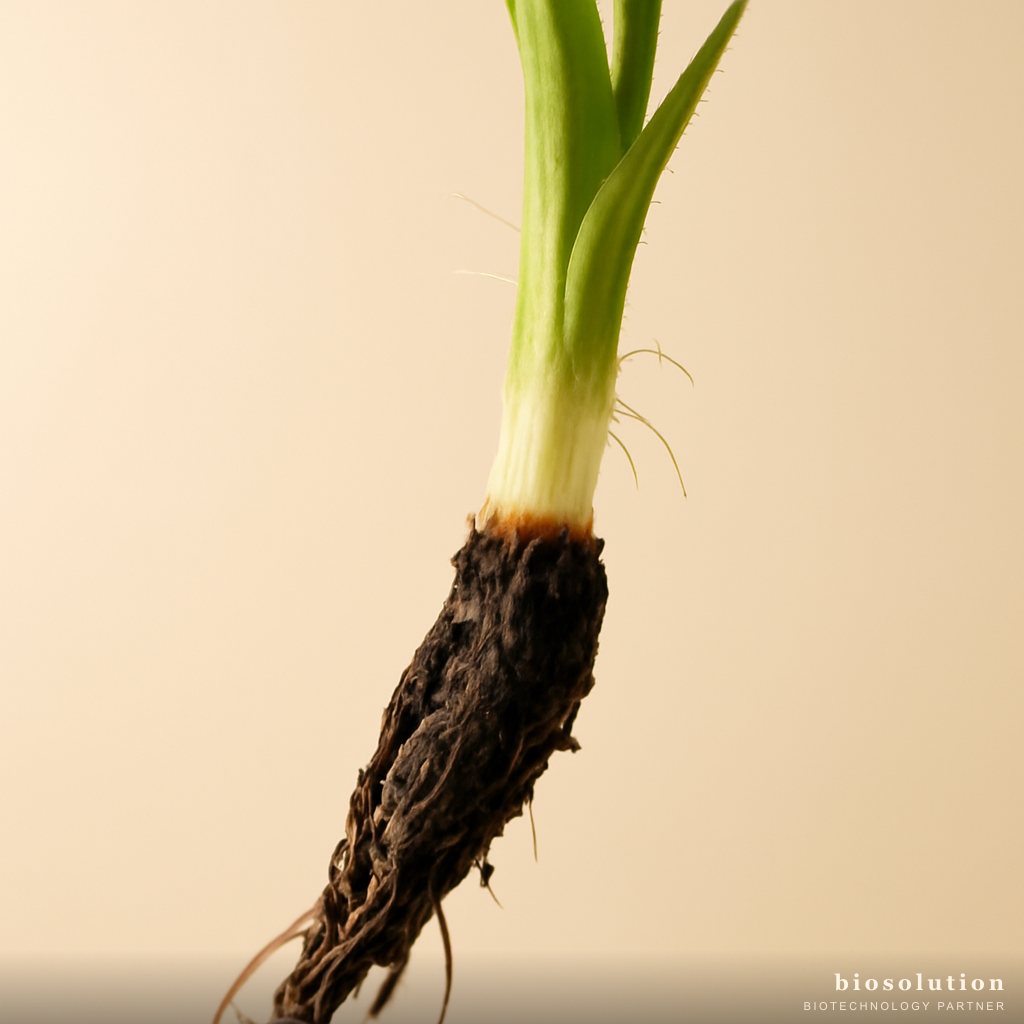
Diseases attacking roots and stem bases are a nightmare for horticultural farmers. Soilborne pathogenic fungi such as Fusarium, Rhizoctonia, and Phytophthora can destroy plants in a short time. This is where root and stem biofungicides play a role as an environmentally friendly solution within the Integrated Pest Management (IPM) framework. These products not only control pathogens but also naturally strengthen plant resistance. This article thoroughly discusses the integration of Biosolution's Root & Stem Fungus Control Formula with natural enemies for effective and sustainable IPM.
Why Are Root and Stem Biofungicides Important in IPM?
Integrated Pest Management (IPM) emphasizes the use of biological agents as a main component. Root and stem biofungicides are relied upon because they work specifically against target pathogens without damaging the soil ecosystem. Unlike chemical fungicides that kill non-target microorganisms, biofungicides actually enrich soil biodiversity. In IPM, the integration of biological agents such as Trichoderma sp., Pseudomonas fluorescens, and Bacillus subtilis can naturally suppress pathogen populations. These three are formulated into a single product by Biosolution for ease of application.
The Role of Natural Enemies in IPM
Natural enemies are not only insect predators but also antagonistic microorganisms. Trichoderma sp., for example, is a mycoparasite that infects and degrades the cell walls of pathogenic fungi. Pseudomonas fluorescens produces siderophores that bind iron, depriving pathogens of nutrients. Meanwhile, Bacillus subtilis produces antibiotic compounds and triggers systemic resistance in plants. These three microbes work synergistically in a formula that can be applied through root drenching and stem spraying.
Composition and Mechanism of Action of the Root & Stem Fungus Control Formula
This product contains three superior microbial strains, each with a specific role in controlling root and stem diseases.
Trichoderma sp.: Superior Mycoparasite
Trichoderma sp. is an antagonistic fungus capable of parasitizing soilborne pathogenic fungi such as Rhizoctonia solani and Fusarium oxysporum. Its mechanisms include nutrient competition, production of lytic enzymes (chitinase, glucanase), and direct mycoparasitism. By infecting pathogen hyphae, Trichoderma stops disease spread before it reaches plant tissues.
Pseudomonas fluorescens: Siderophore Producer
Pseudomonas fluorescens is known as a rhizosphere bacterium that produces siderophores (pyoverdine) with high affinity for iron ions. By binding iron around the roots, this bacterium deprives pathogens of an essential element for growth. Additionally, P. fluorescens produces antibiotics such as 2,4-diacetylphloroglucinol (DAPG) that inhibit the growth of pathogenic fungi.
Bacillus subtilis: PGPR and Biocontrol Agent
Bacillus subtilis is a Gram-positive bacterium that forms endospores, making it resistant to extreme environmental conditions. As a Plant Growth-Promoting Rhizobacterium (PGPR), it stimulates root growth through IAA hormone production and phosphate solubilization. In biocontrol, B. subtilis produces lipopeptides (iturin, surfactin) that disrupt pathogen cell membranes. Routine application every 14 days ensures high bacterial populations in the rhizosphere.
Application of Root and Stem Biofungicides in an IPM System
Integrating biofungicides into IPM requires a proper application strategy. Here is a guide for using Biosolution's Root & Stem Fungus Control Formula.
Dosage and Application Method
Mix 5 ml of product per liter of water, then drench the root zone with 200-300 ml per plant. For stem disease prevention, spray the same solution onto the stem base until wet. The first application is done during soil preparation or before planting, then repeated every 14 days during the vegetative phase. This product is safe to use with other biological agents such as Beauveria bassiana or Metarhizium anisopliae in an IPM program.
Optimal Application Timing
The best times are morning (06:00-09:00) or afternoon (16:00-18:00) to avoid UV rays that can damage microbes. Ensure the soil is moist so microbes can move and colonize easily. During the rainy season, application frequency can be increased to every 10 days due to higher disease risk.
Advantages of Biofungicides Over Chemical Fungicides
Implementing IPM aims to reduce dependence on chemical fungicides. Root and stem biofungicides offer several advantages:
- Environmentally Friendly: Leave no harmful residues in soil or harvested products.
- Improve Soil Health: Antagonistic microbes improve soil structure and nutrient cycling.
- Induce Plant Resistance: Bacillus subtilis and Pseudomonas fluorescens trigger systemic acquired resistance (SAR), making plants more resistant to pathogen attack.
- Compatible with Other Biopesticides: Can be combined with bioinsecticides or other biofungicides in the same spray tank.
Case Study: Effectiveness on Horticultural Crops
In chili plants, application of the Root & Stem Fungus Control Formula suppressed Fusarium wilt disease by up to 70% compared to controls. Field observations showed denser root growth and a 25% increase in productive branches. This is because Trichoderma sp. and Bacillus subtilis produce phytohormones that stimulate rooting. Additionally, high populations of Pseudomonas fluorescens inhibit the development of Phytophthora capsici, which causes stem base rot.
Integration with Other Natural Enemies in IPM
IPM does not rely solely on one biological agent. Root and stem biofungicides can be integrated with:
- Predators and Parasitoids: For example, Coccinella beetles to control aphids that act as virus vectors.
- Other Biological Agents: Such as Beauveria bassiana for soil insects, or other Trichoderma species for foliar disease control.
- Cultural Practices: Crop rotation, use of organic mulch, and good drainage to reduce humidity that favors pathogens.
Conclusion
Root and stem biofungicides from Biosolution are the right solution in IPM to naturally control root and stem base pathogens. The content of Trichoderma sp., Pseudomonas fluorescens, and Bacillus subtilis works synergistically through mechanisms of mycoparasitism, competition, and induced plant resistance. With routine application at the recommended dosage, farmers can reduce the use of chemical fungicides while increasing crop productivity. For further consultation on IPM strategies for your land, contact the Biosolution team via WhatsApp. Also see the related product Soilborne Pathogen Fungus Control Formula for comprehensive protection.