Root-Knot Nematode Biocontrol: Key to Successful Vegetable and Tomato Cultivation
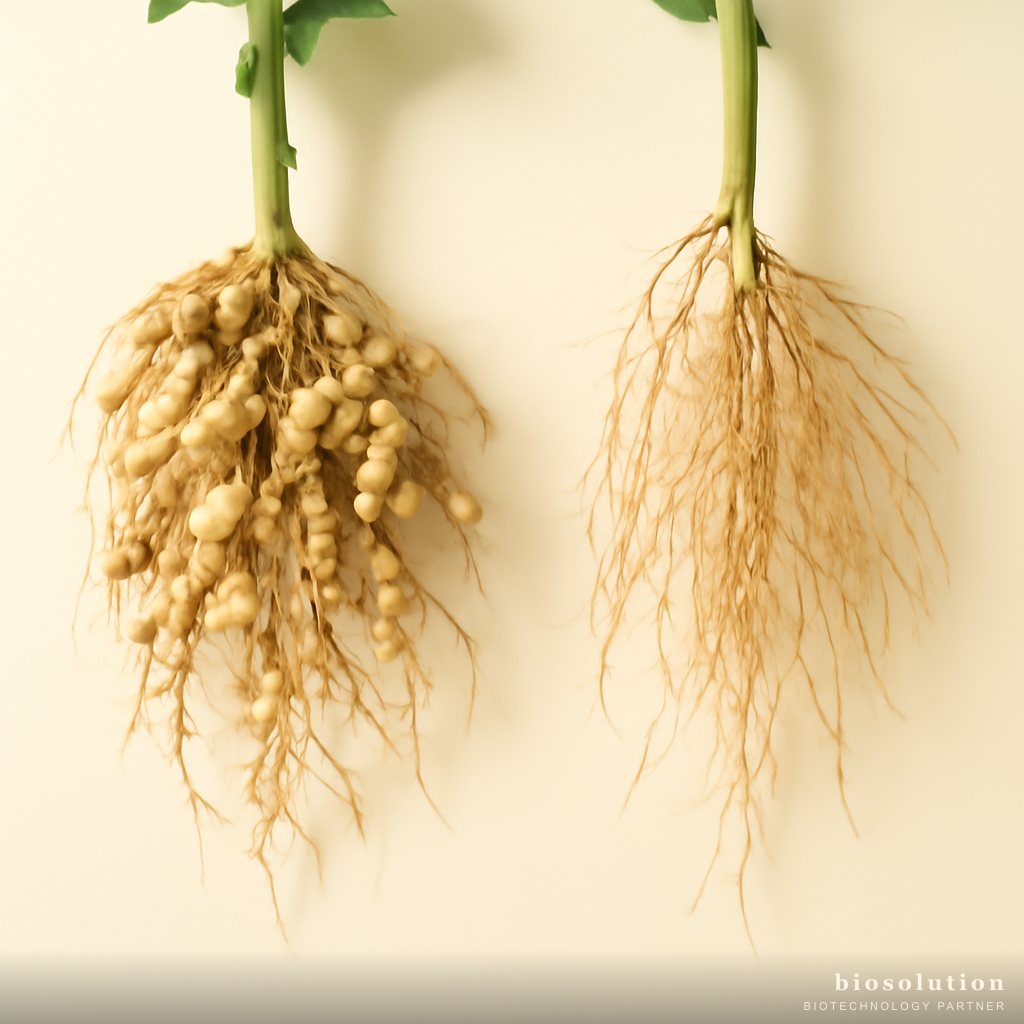
Root-knot nematodes, especially Meloidogyne spp., are a serious threat to vegetable and tomato farmers. Their attack causes root galls, hinders water and nutrient absorption, and reduces yields by 30-50%. In Indonesia, losses due to root-knot nematodes are estimated at billions of rupiah each planting season. However, there is good news: root-knot nematode biocontrol using biological agents has proven effective and environmentally friendly. This article will guide you in monitoring nematode populations in the field, determining threshold levels, and applying the right biocontrol solution.
Why is Root-Knot Nematode Biocontrol Important?
Chemical control with synthetic nematicides is indeed effective, but leaves harmful residues for health and the environment. Moreover, nematicides can kill non-target organisms, disrupting soil ecosystem balance. In contrast, root-knot nematode biocontrol uses antagonistic microorganisms that naturally suppress nematode populations without negative side effects. This approach aligns with sustainable agriculture principles and has been recommended by the Food and Agriculture Organization (FAO) as part of integrated pest management (IPM).
Monitoring Nematode Populations in the Field: Trap, Scout, and Threshold
Before applying biocontrol, farmers need to monitor nematode populations in the field. Three main methods are used: trap, scout, and threshold determination.
Trap: Early Detection of Nematode Presence
The trap method uses trap plants or soil samples to detect nematodes. Steps:
- Take soil samples from several points in the field (depth 15-20 cm).
- Mix the soil, then plant a few tomato or cucumber seeds in small pots.
- After 2-3 weeks, pull out the plants and observe the roots. If there are galls or swellings, nematodes are active.
This method is simple and can be done by farmers without special tools. With traps, farmers can detect nematode infestation before symptoms appear on the main crop.
Scout: Visual Monitoring of Plant Symptoms
Scouting involves walking through the field and systematically observing plants. Symptoms of Meloidogyne attack include:
- Stunted plant growth.
- Yellowing or wilting leaves during the day.
- Nodulated (galled) roots when dug up.
- Reduced fruit production.
Farmers are advised to check at least 10% of the plant population per plot. Record the number of plants showing symptoms, then calculate the attack percentage.
Threshold: When to Act?
The threshold is the nematode population level or damage level that requires control action. For Meloidogyne in tomatoes and vegetables, the threshold is usually:
- 1-2 galls per gram of root, or
- 10-20% of plants showing symptoms.
If monitoring results show numbers above the threshold, root-knot nematode biocontrol should be applied immediately. Do not wait until damage is severe, as nematodes will continue to reproduce and spread.
Biocontrol Solution: Root-Knot Nematode Control Formula
Biosolution offers a Root-Knot Nematode Control Formula containing two superior microorganisms: Paecilomyces lilacinus and Bacillus firmus. Both work synergistically to suppress nematode populations by 70-80%.
Mechanism of Action of Paecilomyces lilacinus
Paecilomyces lilacinus is an entomopathogenic fungus that infects nematode eggs and juveniles. The fungus penetrates the egg wall with chitinase enzymes, then grows inside, destroying the embryo. On juveniles, the fungus attaches to the cuticle and produces toxins that paralyze them. Thus, the nematode life cycle is interrupted.
Role of Bacillus firmus
Bacillus firmus is a bacterium that produces anti-nematode toxins, including proteases and lipases. This bacterium also triggers induced systemic resistance in plants. When applied to the soil, B. firmus colonizes the rhizosphere and protects roots from nematode infection.
Proper Application Method
The Root-Knot Nematode Control Formula is applied by root drenching. Dosage: 5 ml per liter of water, applied every 14 days at least 4 times per season. The best time is at planting and after pruning. Ensure the solution evenly reaches the root zone.
Case Study: Biocontrol Success in Tomato Plants
In a trial on a tomato farmer's field in West Java, application of the Root-Knot Nematode Control Formula over one growing season showed:
- Reduction in root gall count by up to 75% compared to control.
- Increase in fruit weight per plant by 30%.
- Nematode population in the soil dropped drastically after 4 applications.
These results prove that root-knot nematode biocontrol not only suppresses pests but also restores plant productivity.
Integration with Other Cultivation Practices
Biocontrol will be more effective when combined with:
- Crop rotation with non-host plants (e.g., corn, legumes).
- Use of organic fertilizers to enhance natural antagonistic microbes.
- Field sanitation: clean infected root residues after harvest.
- Adequate irrigation: nematodes are more active in dry soil.
With an integrated approach, nematode populations can be suppressed below the threshold sustainably.
Conclusion
Root-knot nematode biocontrol is a smart and environmentally friendly strategy to tackle Meloidogyne in vegetable and tomato crops. Population monitoring through trap, scout, and threshold methods allows farmers to take timely action. The Root-Knot Nematode Control Formula from Biosolution, containing Paecilomyces lilacinus and Bacillus firmus, has been proven to suppress nematode populations by 70-80% and increase yields. For optimal results, apply according to the recommended dosage and schedule. If you are experiencing nematode attack problems, feel free to consult with our team or see product details here.