Tomato Fusarium Wilt Control: Integrating Formula with Natural Enemies for Integrated IPM
Fusarium wilt in tomatoes and chili peppers is a nightmare for horticultural farmers. This disease, caused by the fungus Fusarium oxysporum, can rapidly destroy plants, especially during the vegetative to generative stages. This soilborne pathogen persists in the soil as chlamydospores, making it difficult to control with chemical fungicides alone. This is where the Integrated Pest Management (IPM) approach becomes key, integrating biological agents such as the Anti-Fusarium Wilt Formula and natural enemies to sustainably suppress the disease.
Why Is Fusarium Wilt Difficult to Control?
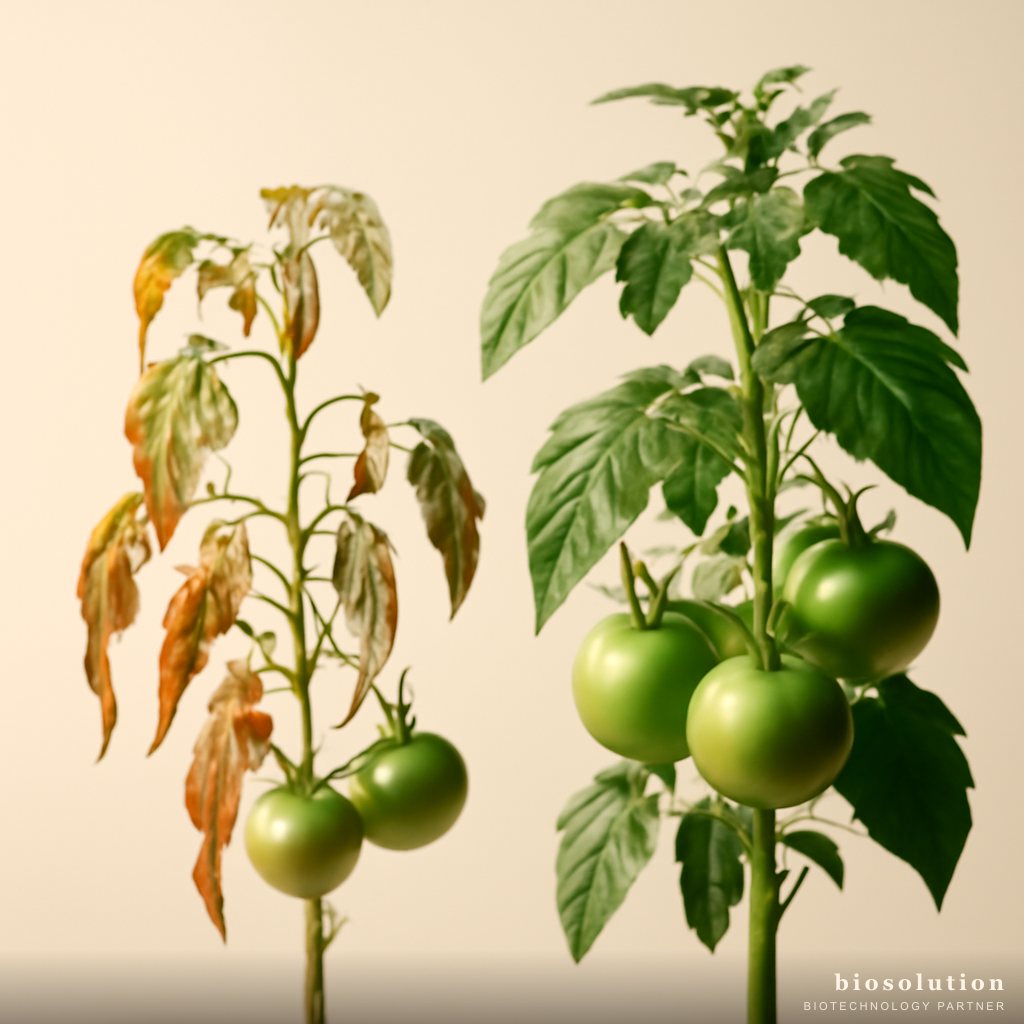
Fusarium oxysporum has a complex infection mechanism. The fungus enters through the roots, then spreads to the xylem vessels, blocking water and nutrient transport. Early symptoms include wilting of lower leaves that turn yellow, then progress to the entire plant. This pathogen also produces fusaric acid toxin that damages plant tissue. Because the pathogen is systemic, chemical control is often ineffective after infection occurs. Moreover, continuous use of chemical fungicides can trigger resistance and kill beneficial soil microorganisms.
Role of Anti-Fusarium Wilt Formula in IPM
The Anti-Fusarium Wilt Formula from Biosolution contains three superior biological agents that work synergistically:
- Trichoderma harzianum: Acts as a mycoparasite, infecting and degrading Fusarium hyphae. Additionally, Trichoderma produces chitinase and glucanase enzymes that destroy the pathogen's cell wall.
- Gliocladium virens: Produces the antibiotic gliotoxin, which is fungistatic, and effectively competes for space and nutrients in the rhizosphere.
- Pseudomonas fluorescens: Produces siderophores that bind iron ions (Fe3+) in the environment, depriving Fusarium of iron for growth. This bacterium also induces systemic resistance in plants.
These three agents are applied via root drenching and soil mixing at planting, at a dose of 5 ml per liter of water, repeated every 14 days during the vegetative phase. This approach not only suppresses pathogen populations but also improves soil ecosystem health.
Integrating Formula with Natural Enemies
Natural enemies such as predators, parasitoids, and insect pathogens are important components of IPM. However, farmers often worry that applying biological agents may disrupt natural enemies. The good news is that the Anti-Fusarium Wilt Formula is selective and safe for natural enemies. Trichoderma and Gliocladium do not attack beneficial insects or nematodes. Pseudomonas fluorescens is also not pathogenic to insects. Therefore, this formula can be integrated with the release of natural enemies such as:
- Trichogramma spp. to control Helicoverpa armigera (tomato fruit borer).
- Beauveria bassiana to control aphids and thrips.
- Coccinellidae predators (ladybugs) to control aphids.
This integration allows simultaneous pest and disease management, reducing reliance on chemical pesticides and maintaining ecosystem balance.
Case Study: Integrated Application in Chili Farming
In the field, chili farmers in East Java have implemented the integration of Anti-Fusarium Wilt Formula with the release of Trichogramma and Beauveria. As a result, Fusarium wilt intensity dropped drastically from 45% to only 8% in the first growing season. Populations of fruit borer and aphid pests were also naturally controlled. Another advantage was a yield increase of up to 30% compared to control plots using chemical fungicides. This proves that IPM based on biological agents and natural enemies is not only effective but also economical.
Practical Steps for Implementing IPM for Fusarium Wilt
Here are steps farmers can apply:
1. Land and Seed Preparation
- Use healthy seeds that have been treated with Anti-Fusarium Wilt Formula. Soak seeds in a 5 ml/L solution for 10 minutes before sowing.
- Prepare the soil well, add compost or organic fertilizer to enhance antagonistic microbial activity.
2. Application of Anti-Fusarium Wilt Formula
- At planting: Drench 200 ml of Formula solution (5 ml/L) per planting hole.
- Vegetative phase (14 DAP): Repeat root drenching with the same dose every 14 days until the generative phase.
3. Release of Natural Enemies
- Release Trichogramma when plants begin to flower (30-35 DAP) to control pest eggs.
- Spray Beauveria bassiana (according to dosage) in the afternoon if pest populations exceed the control threshold.
4. Monitoring and Evaluation
- Conduct weekly observations. If Fusarium wilt symptoms are found, immediately apply Anti-Fusarium Wilt Formula at a tighter interval (7 days).
- Record natural enemy and pest populations for evaluation.
Advantages of the Integrated Approach
Integrating Anti-Fusarium Wilt Formula with natural enemies offers many benefits:
- Synergy: Biological agents and natural enemies support each other, not inhibit.
- Disease resistance: Plants become healthier due to beneficial microbes colonizing the roots.
- Environmentally friendly: Reduces chemical residues on products and in soil.
- Economical: Lower production costs due to reduced purchase of chemical pesticides.
Conclusion
Fusarium wilt in tomatoes and chili peppers can be effectively controlled through an integrated IPM approach. The Anti-Fusarium Wilt Formula containing Trichoderma harzianum, Gliocladium virens, and Pseudomonas fluorescens can suppress Fusarium oxysporum while improving soil health. Integration with natural enemies such as Trichogramma and Beauveria bassiana further strengthens the control system. With proper and consistent application, farmers can reduce losses due to Fusarium wilt and increase productivity sustainably.
For more information about the product and application methods, consult our experts via WhatsApp or visit the product page Anti-Fusarium Wilt Formula.