Wastewater BOD COD Reduced to Quality Standards: Chemical vs Bioremediation Cost Comparison
Every industry that produces wastewater faces the challenge of meeting environmental quality standards. The main parameters that are a concern are BOD (Biochemical Oxygen Demand) and COD (Chemical Oxygen Demand). High BOD/COD not only risks environmental fines but also damages the company's reputation. So far, many factories rely on chemical treatments such as coagulants, flocculants, and chlorine to reduce these values. However, chemical methods have high operational costs and side effects in the form of hazardous sludge. Now, a more efficient and environmentally friendly alternative is available: bioremediation using Biosolution's Industrial Wastewater Bioremediation Formula. This article will thoroughly examine the cost comparison between chemical treatment and bioremediation, and how you can achieve wastewater BOD COD reduced to quality standards with a more controlled budget.
Why Must BOD/COD Be Reduced? Regulations and Impacts
BOD and COD are the main indicators of organic pollution in wastewater. BOD measures the amount of oxygen required by microorganisms to decompose organic matter, while COD measures the oxygen required for total chemical oxidation of organic matter. The government, through the Ministry of Environment and Forestry Regulation, has set wastewater quality standards for various industrial sectors. For example, for the textile industry, the maximum BOD limit is 60 mg/L and COD is 150 mg/L. Violations of quality standards can result in administrative to criminal sanctions. In addition, wastewater with high BOD/COD causes eutrophication in waters, death of aquatic biota, and unpleasant odors. Therefore, investing in an effective treatment system is not only a legal obligation but also a moral responsibility.
Cost Comparison: Chemical Treatment vs Bioremediation
Initial Investment Costs
Chemical treatment requires relatively simple installations: coagulation tank, flocculation tank, sedimentation tank, and dosing pump. Initial investment costs can range from Rp 50-200 million depending on capacity. In contrast, bioremediation with the Industrial Wastewater Bioremediation Formula requires aeration ponds or biofilters that may already exist in the WWTP. If not, additional investment for aerators and settling tanks is still cheaper than large-scale chemical systems. Overall, the initial investment for bioremediation can be 30-50% lower.
Monthly Operational Costs
Operational cost components for chemical treatment include the purchase of coagulants (e.g., PAC), flocculants, chlorine, and chemical sludge management costs. For a WWTP with a capacity of 100 m³/day, chemical costs can reach Rp 15-30 million per month. Not to mention electricity costs for mixing and pumping. Meanwhile, bioremediation only requires an initial dose of the Industrial Wastewater Bioremediation Formula of 100-500 ml per m³ of wastewater, and weekly maintenance. The cost of purchasing the formula is around Rp 5-10 million per month, plus lower electricity aeration because the biological process is more natural. Operational cost savings can reach 50-70%.
Secondary Waste Management Costs
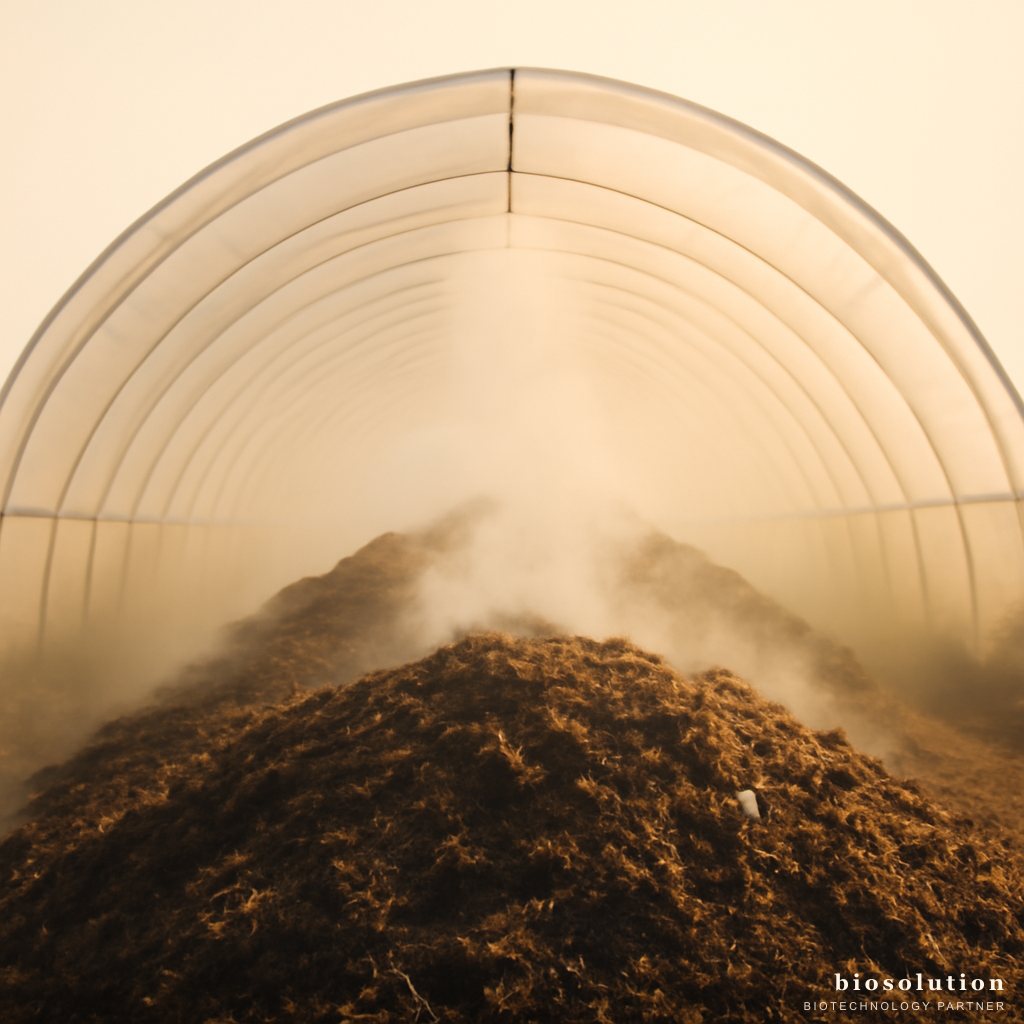
Chemical sludge from coagulation is classified as hazardous and toxic (B3) because it contains heavy metals and chemical compounds. The cost of managing B3 sludge can be Rp 2-5 million per ton. In contrast, bioremediation produces more stable biological sludge that can be composted or disposed of at a lower cost. In fact, biological sludge can be used as organic fertilizer.
Bioremediation Mechanism: Microbial Consortium Action
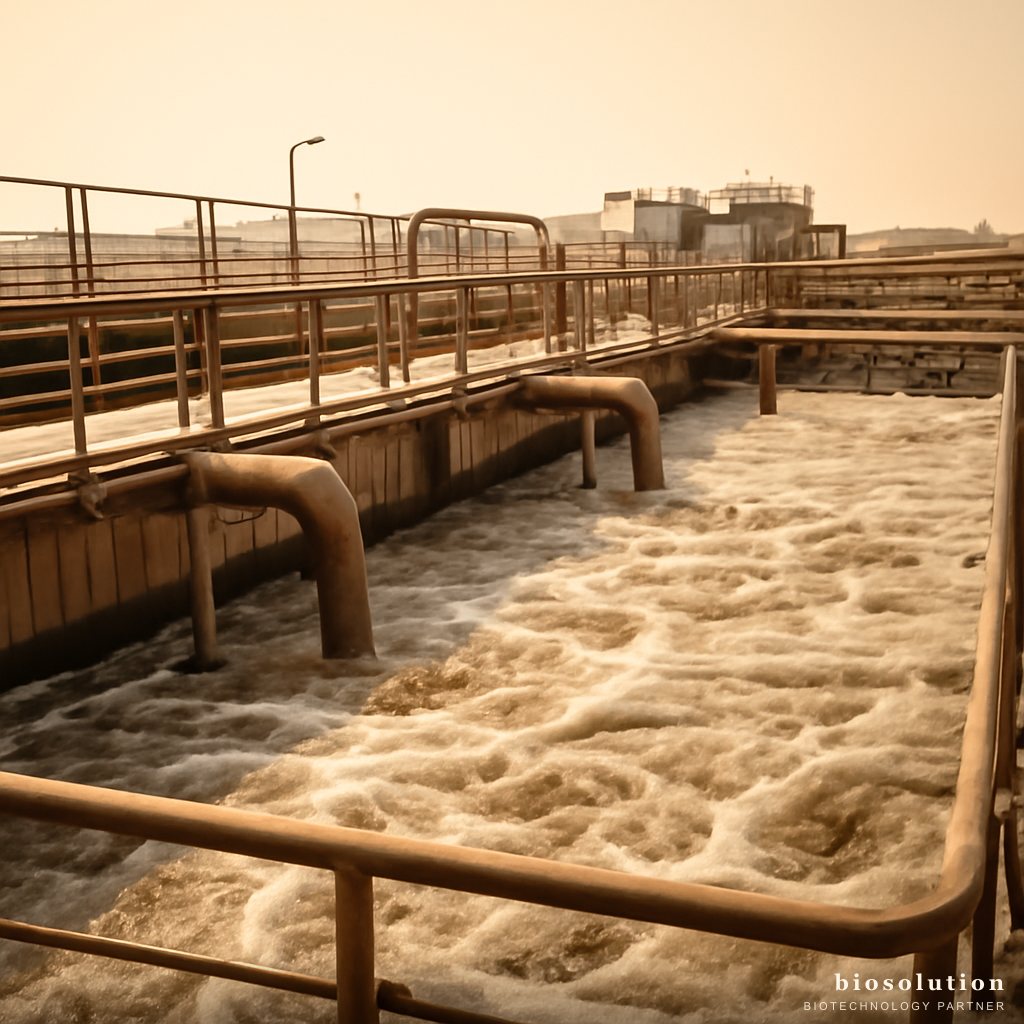
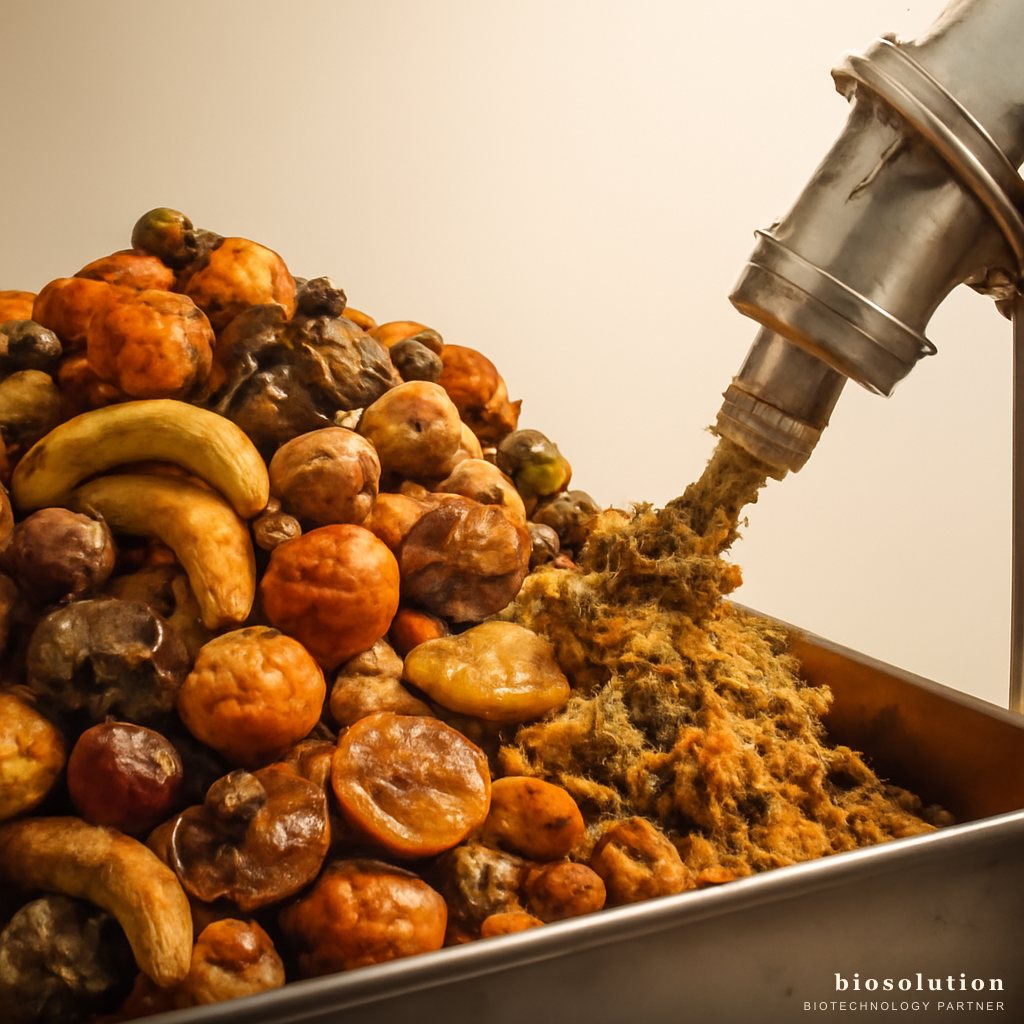
The Industrial Wastewater Bioremediation Formula contains a consortium of decomposing bacteria capable of degrading complex organic compounds into simple compounds such as CO₂ and H₂O. These bacteria work synergistically: aerobic bacteria decompose organic matter with the help of oxygen, while facultative bacteria can work in low-oxygen conditions. In addition, there is Aspergillus niger, a fungus that produces extracellular enzymes such as amylase, protease, and lipase. These enzymes break down starch, protein, and fat that are difficult to decompose, thus drastically reducing BOD/COD. This process occurs in aeration ponds or biofilters with a retention time of 1-3 days, depending on the organic load. As a result, the wastewater effluent has BOD/COD below quality standards, without the addition of hazardous chemicals.
Case Study: BOD/COD Reduction in the Textile Industry
A textile factory in West Java with a WWTP capacity of 200 m³/day previously used PAC and chlorine. Monthly operational costs reached Rp 25 million, but BOD was often still above 80 mg/L (quality standard 60 mg/L). After switching to the Industrial Wastewater Bioremediation Formula, with an initial dose of 300 ml/m³ and maintenance of 100 ml/m³ per week, costs dropped to Rp 8 million per month. Within 2 weeks, BOD dropped from 120 mg/L to 45 mg/L and COD from 300 mg/L to 120 mg/L, meeting quality standards. The factory also saved on B3 sludge management costs. ROI was achieved in 3 months.
Advantages of the Industrial Wastewater Bioremediation Formula
- Effectively reduces BOD/COD up to 90% in a short time.
- Reduces chemical treatment usage, making wastewater safer.
- Reduces environmental fines by consistently meeting quality standards.
- Fast ROI with treatment cost reduction up to 70%.
- Easy to apply: direct dosing into the WWTP pond, no major modifications needed.
- Environmentally friendly: does not produce B3 sludge.
Application Method and Dosage
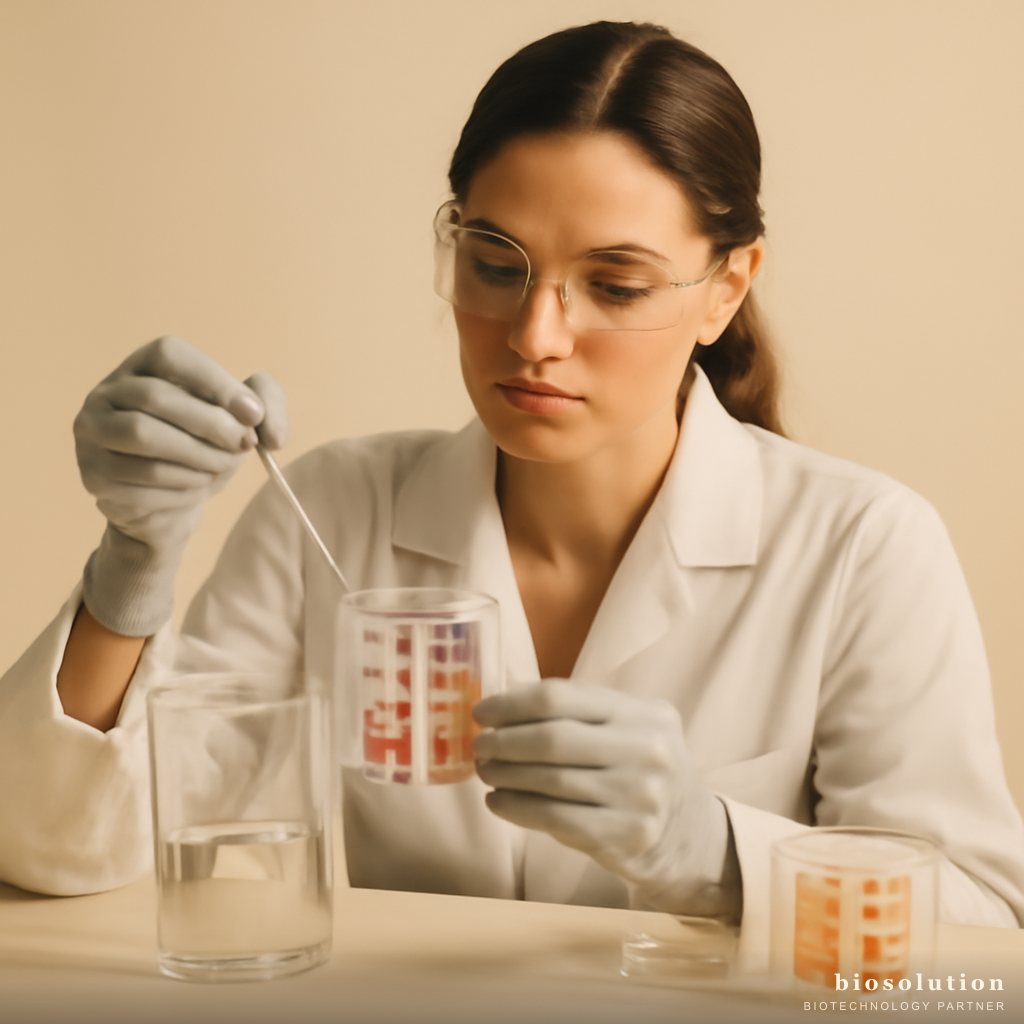
Application of the Industrial Wastewater Bioremediation Formula is very simple. Initial dose: 100-500 ml per m³ of wastewater, depending on the level of pollution. Pour directly into the aeration pond or WWTP inlet. Then, perform maintenance with a dose of 50-100 ml per m³ every week. Ensure aeration runs optimally to support the growth of aerobic bacteria. Routine monitoring of BOD/COD is recommended to adjust the dosage.
Conclusion
Switching from chemical treatment to bioremediation is a smart step to reduce wastewater BOD COD to quality standards at a lower cost. Biosolution's Industrial Wastewater Bioremediation Formula offers an effective, economical, and environmentally friendly solution. With lower initial investment, drastically reduced operational costs, and elimination of environmental fine risks. Don't let chemical treatment costs burden your company's budget. Consult with Biosolution's expert team to get the right dosage and application schedule according to your wastewater characteristics. Contact us via WhatsApp for further discussion.
FAQ
1. Is bioremediation suitable for all types of industrial wastewater? Bioremediation is most effective for organic wastewater such as from food, beverage, textile, pulp and paper, and livestock industries. For wastewater containing heavy metals or high toxic compounds, pretreatment or combination with other methods is needed. Consult with Biosolution experts for specific analysis.
2. How long does it take to see a reduction in BOD/COD? Generally, within 1-2 weeks after initial application, BOD/COD begins to decrease significantly. Achieving quality standards usually occurs within 2-4 weeks depending on the organic load and WWTP operating conditions.
3. Does using this formula require major changes to the WWTP? No. The formula can be applied directly to existing aeration ponds or biofilters. If the WWTP does not have aeration, adding a simple aerator is sufficient. No major investment is needed.
4. How should the bioremediation formula be stored? Store in a cool, dry place, away from direct sunlight. Ideal storage temperature is 4-30°C. Do not freeze. The formula remains stable for 6 months in a sealed container.
5. Is there a risk of overdose? Overdose is generally not harmful because the microbes will die off when nutrients are depleted. However, excessive dosage can cause temporary turbidity. Follow the recommended dosage for optimal results.