Basic Pond Preparation Before Stocking: 10 Effective Formulas for Sustainable Aquaculture
Basic pond preparation before stocking is the main foundation for successful aquaculture. Without proper preparation, stocked seeds are vulnerable to stress, disease, and early mortality. This article thoroughly discusses 10 effective basic pond preparation formulas, supported by microbiological science, to help farmers start a new cycle with confidence.
Why Is Basic Pond Preparation Before Stocking So Important?
Improperly prepared ponds harbor various problems: leftover feed and waste from previous cycles, pathogens surviving in sediment, and instability of pH and ammonia levels. All these are time bombs for newly stocked seeds. With proper basic pond preparation before stocking, we eliminate these risk factors. This process includes drying, liming, fertilizing, and most importantly, applying probiotics to improve the pond bottom ecosystem.
10 Formulas for Basic Pond Preparation Before Stocking
Here are 10 steps that can be integrated into your pond preparation plan.
1. Complete Pond Drying
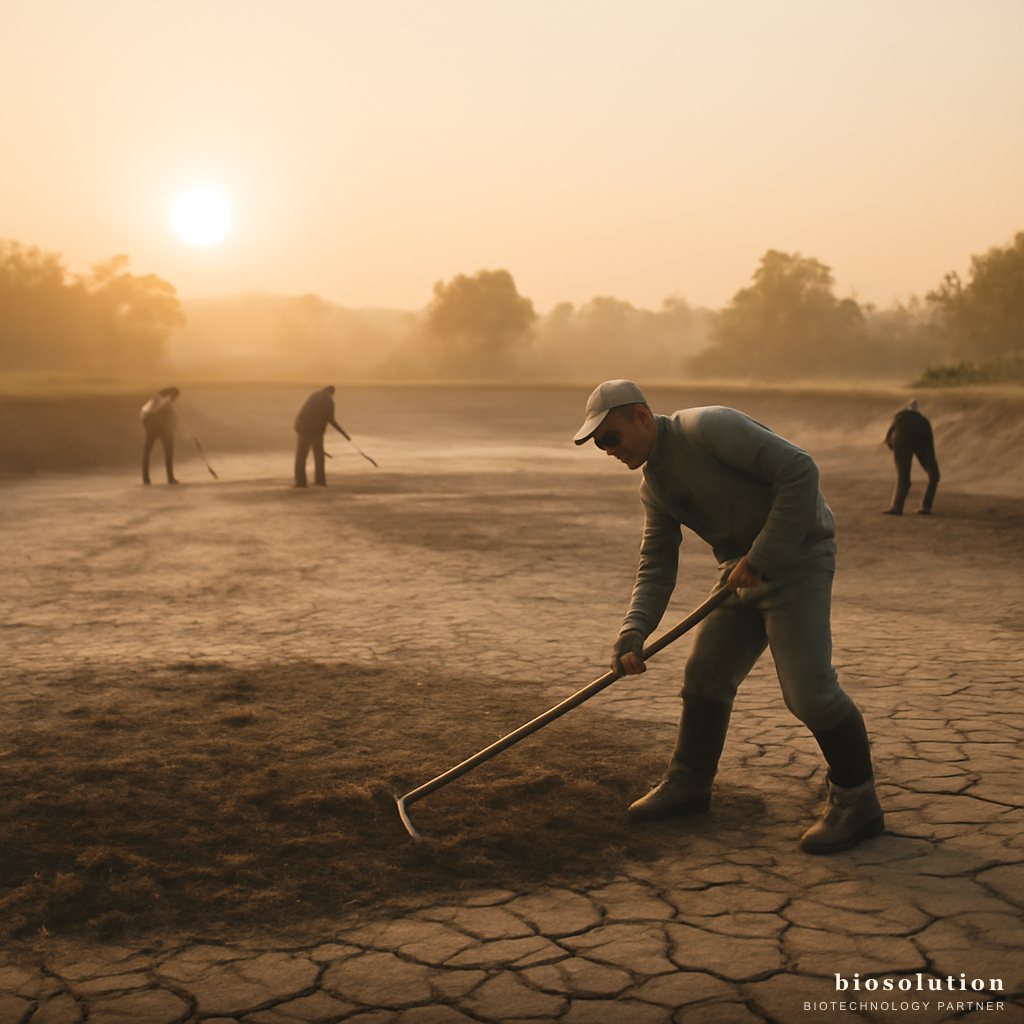
Dry the pond until it cracks. This kills pathogens and parasites that cannot withstand drought. Drying duration is at least 5-7 days depending on weather.
2. Tilling and Aeration of Bottom Soil
Loosen the bottom soil using a hoe or tractor. Aeration helps oxygen enter the soil, stimulating beneficial aerobic microbial activity.
3. Liming for pH Stabilization
Spread agricultural lime (CaCO3) or dolomite at a dose of 100-200 kg per hectare. Lime neutralizes acidic pH and provides calcium for plankton.
4. Application of Bacillus subtilis Probiotic
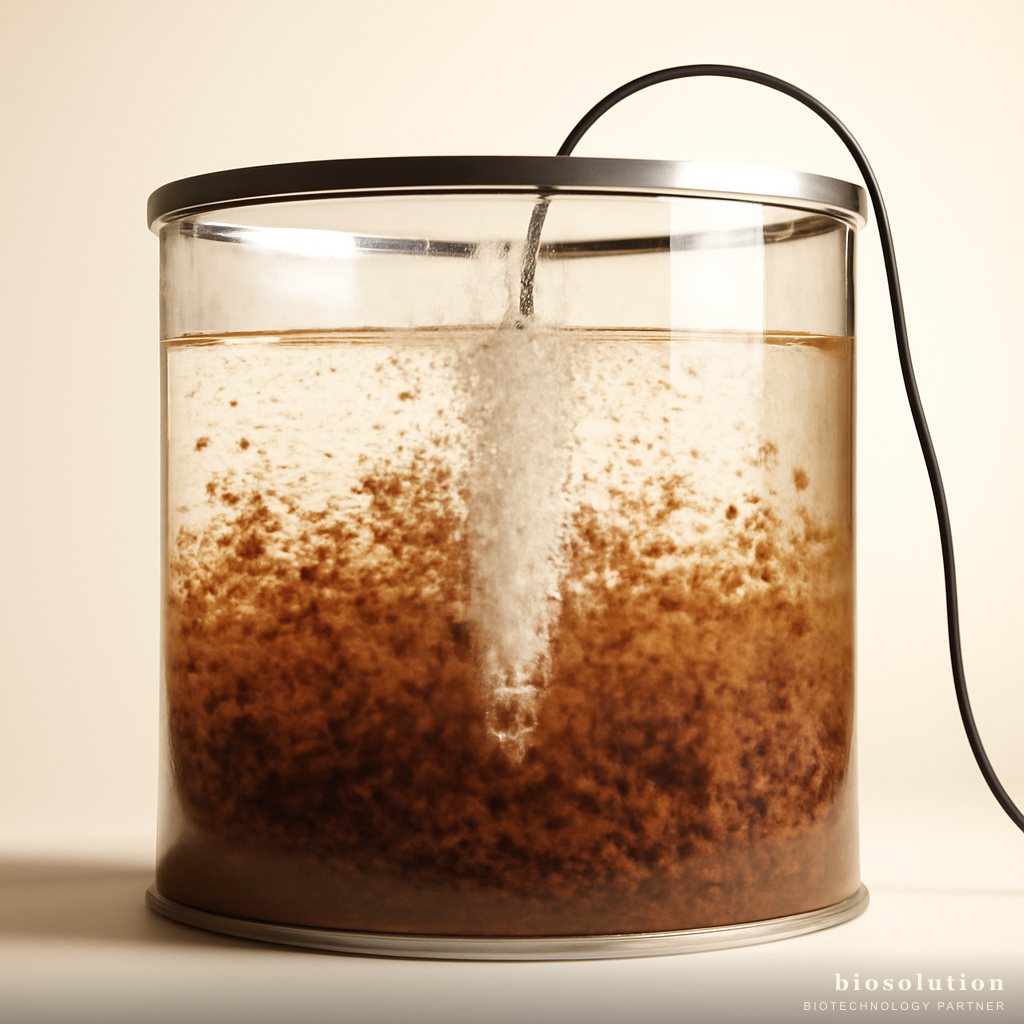
Bacillus subtilis is a decomposer bacterium capable of breaking down organic residues, reducing sludge, and suppressing pathogens. Products like Basic Pond Preparation Formula contain Bacillus subtilis and Thiobacillus sp. that work synergistically. Dose: 5 L per hectare, applied during drying.
5. Use of Thiobacillus sp. for pH Stabilization
Thiobacillus sp. oxidizes sulfur and other reduced compounds, helping to maintain stable pond bottom pH. This is important to prevent pH spikes during water filling.
6. Addition of Extracellular Enzymes
Extracellular enzymes accelerate the decomposition of complex organic materials into simple compounds that can be utilized by plankton. This increases the pond's natural productivity.
7. Base Fertilization with Organic Fertilizer
Use manure or compost at a dose of 250-500 kg per hectare. Organic fertilizer provides nutrients for phytoplankton growth as natural feed for seeds.
8. Gradual Water Filling
Fill water gradually to a height of 30-40 cm. Let it sit for 3-5 days while aerating to stabilize water quality.
9. Water Quality Testing
Before stocking seeds, measure important parameters: pH (6.5-8.5), temperature (28-30°C), dissolved oxygen (>4 mg/L), ammonia (<0.1 mg/L). If not ideal, make corrections.
10. Seed Stocking with Adaptation
Acclimate seeds in the pond for 15-20 minutes before stocking. Ensure that the temperature and pH of pond water and transport media are not significantly different.
Mechanism of Probiotics in Pond Preparation
Probiotics like Bacillus subtilis work by:
- Competition: Outcompeting pathogenic bacteria for nutrients and space.
- Production of antimicrobial compounds: Producing enzymes and bacteriocins that inhibit the growth of Vibrio, Aeromonas, and Pseudomonas.
- Decomposition: Breaking down organic residues into CO2, water, and minerals, reducing sludge and ammonia.
Thiobacillus sp. oxidizes sulfides and thiosulfates, preventing the formation of H2S which is toxic to fish/shrimp. Extracellular enzymes such as protease, amylase, and lipase break down proteins, carbohydrates, and fats from leftover feed, preventing accumulation at the bottom.
Advantages of Biosolution's Basic Pond Preparation Formula
The product Basic Pond Preparation Formula is specifically designed for pre-stocking pond preparation. With a combination of Bacillus subtilis, Thiobacillus sp., and extracellular enzymes, this product ensures:
- The cultivation cycle starts with a clean environment.
- Risk of early disease attacks is significantly reduced.
- Higher stocking density is safer because water quality is maintained.
- Regular use every cycle increases productivity.
Application is once per cycle, 5 L per hectare, applied in the morning when the pond is dried. This saves time and effort compared to conventional methods.
Case Study: Increased Seed Survival with Probiotics
Research at the Brackishwater Aquaculture Fisheries Center (BPBAP) showed that using Bacillus probiotics in pond preparation increased survival of vaname shrimp seeds by 15-20% (source: FAO Fisheries and Aquaculture Circular No. 1132). This is because probiotics suppress Vibrio and improve water quality.
Additional Tips for New Cycle Farmers
- Record every parameter and action in a logbook for evaluation.
- Do not be tempted to stock seeds before water is stable (at least 5 days after filling).
- Use sufficient aeration, especially in high-density ponds.
- Repeat probiotic application if there are signs of declining water quality.
Conclusion
Effective basic pond preparation before stocking is an initial investment that determines the success of cultivation. By integrating the 10 formulas above, especially the proper application of probiotics, farmers can start the cycle with a clean, safe, and productive environment. Feel free to consult our technical team via WhatsApp for product recommendations and dosages suitable for your pond conditions.