Basic Pond Preparation Pre-Stocking: 6 Effective Formulas for Optimal Water Quality
Basic pond preparation pre-stocking is the main foundation for successful fish and shrimp farming. Without thorough preparation, the cultivation cycle is vulnerable to water quality fluctuations, disease outbreaks, and low productivity. For new cycle farmers, understanding the correct steps for basic pond preparation is key to achieving safe stocking density and optimal harvest yields. This article explores 6 effective formulas that integrate microbiological technology, particularly the use of probiotic bacteria such as Bacillus subtilis and Thiobacillus sp., to create a stable pond ecosystem from the start.
Why is Basic Pond Preparation Pre-Stocking Crucial?
Basic pond preparation is not just about drying and filling water. This process aims to remove organic residues from the previous cycle, neutralize toxic compounds, and build a beneficial microbial community. Without good preparation, ammonia, nitrite, and hydrogen sulfide can accumulate, causing stress to the seed. Additionally, opportunistic pathogens like Vibrio spp. can proliferate. Data shows that ponds prepared with probiotics have 15-20% higher seed survival rates compared to conventional methods. Therefore, investing time and cost at this stage greatly determines the efficiency of feed and medication expenses.
6 Formulas for Basic Pond Preparation Pre-Stocking
1. Drying and Liming the Pond Bottom
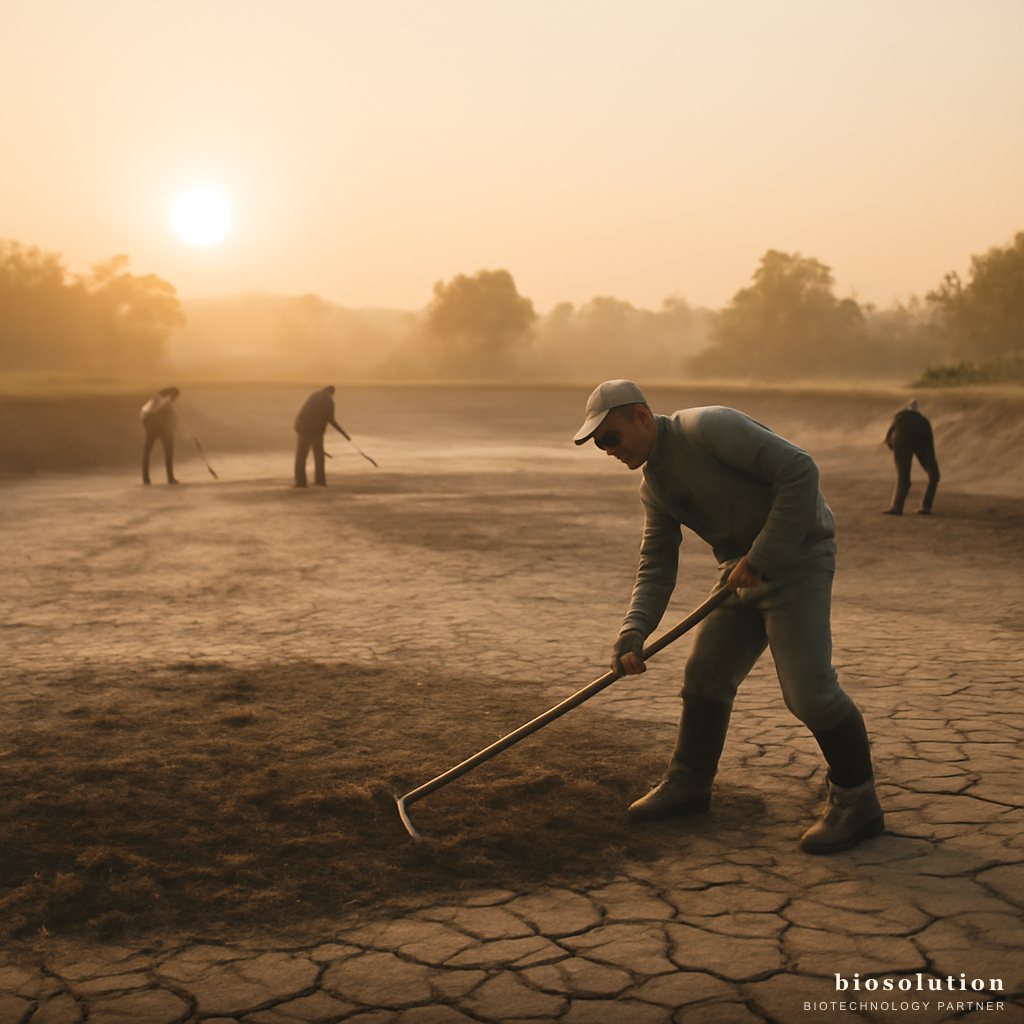
The first step is to dry the pond until it cracks to oxidize organic compounds. After drying, apply lime using agricultural lime (CaCO3) or dolomite at a dose of 1-2 tons per hectare. Liming serves to raise soil pH, kill pathogens, and provide calcium for plankton. Ensure soil pH reaches 7-8 before water filling.
2. Application of Decomposer Probiotics
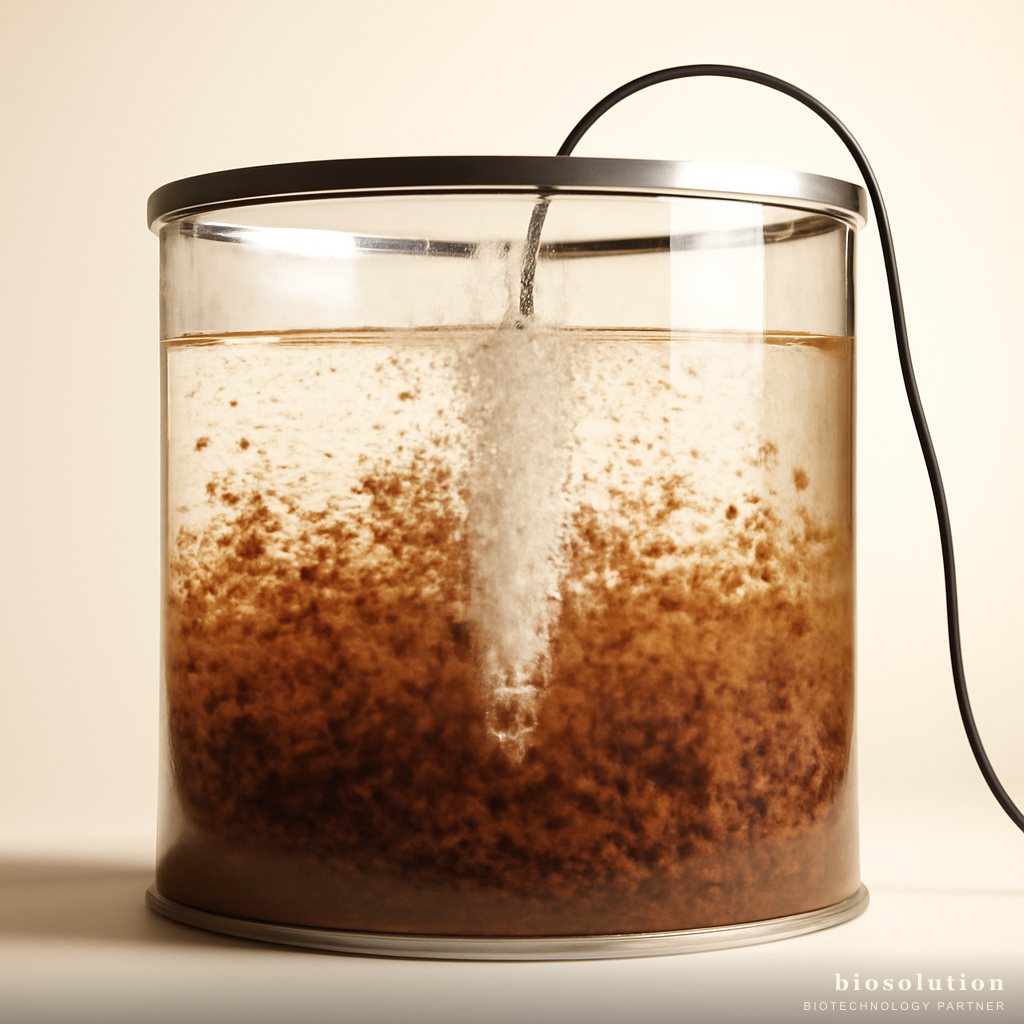
After liming, apply Basic Pond Preparation Formula containing Bacillus subtilis and Thiobacillus sp. at a dose of 5 liters per hectare. Bacillus subtilis acts as a decomposer of organic residues, breaking down complex proteins and carbohydrates into simple, non-toxic compounds. Meanwhile, Thiobacillus sp. helps stabilize bottom pH by oxidizing sulfur compounds. Extracellular enzymes in the formula accelerate the decomposition process. Application is done during drying, in the morning, before seed stocking.
3. Water Sterilization with Chlorine or Probiotics
After filling water to a height of 30-40 cm, sterilize to kill pathogens. Chlorine at a dose of 5-10 ppm can be used, but must be neutralized with thiosulfate after 24 hours. A more environmentally friendly alternative is using probiotics containing Lactobacillus spp. to suppress gram-negative bacteria. This method keeps the natural plankton population alive.
4. Fertilization for Plankton Growth
Plankton serves as natural feed and oxygen regulator. Fertilization is done with urea 5-10 kg/ha and TSP 3-5 kg/ha, or organic fertilizer such as chicken manure 500 kg/ha. However, excessive use of chemical fertilizers can trigger unstable phytoplankton blooms. The solution is to combine with probiotics containing Bacillus to maintain nutrient balance.
5. Water Level Adjustment and Circulation
After plankton grows (water turns greenish-brown), gradually increase water level to 80-100 cm. Ensure good water circulation using paddlewheels or aerators. Dissolved oxygen of at least 4 mg/L is required for seed. Circulation also prevents temperature and oxygen stratification.
6. Water Quality Testing Before Stocking
Before stocking seed, test water quality parameters: temperature (28-30°C), pH (7-8), salinity (15-25 ppt for vaname shrimp), ammonia (<0.1 mg/L), nitrite (<0.5 mg/L), and alkalinity (>80 mg/L). If any parameter is unsuitable, correct it with probiotics or chemicals. For example, if ammonia is high, add nitrifying probiotics.
Role of Microbes in Maintaining Water Quality
Probiotic microbes like Bacillus subtilis not only decompose organic residues but also produce antagonistic compounds that inhibit pathogens. Thiobacillus sp. oxidizes sulfides into sulfates, reducing foul odors and toxicity. Extracellular enzymes (protease, amylase, lipase) accelerate the breakdown of organic matter, ensuring a smooth nitrogen cycle. With a single application of Basic Pond Preparation Formula, farmers can reduce the frequency of water changes and antibiotic use.
Case Study: Effectiveness of Basic Pond Preparation Formula
In a vaname shrimp pond in Lampung, application of Basic Pond Preparation Formula at a dose of 5 L/ha during pond preparation resulted in 85% shrimp survival in the first 30 days, compared to 70% in ponds without probiotics. Additionally, shrimp growth was more uniform and feed conversion was lower. Farmers reported that water quality was more stable, with ammonia and nitrite remaining low even when stocking density was increased.
Success Tips for New Cycle Farmers
- Start preparation at least 2 weeks before seed stocking.
- Use water from clean sources (well or filtered river).
- Avoid excessive use of chemicals that kill probiotics.
- Document water quality parameters daily for evaluation.
- Consult with Biosolution technicians for product recommendations based on pond conditions.
Conclusion
Effective basic pond preparation pre-stocking is an initial investment that determines the success of the cultivation cycle. By following the 6 formulas above and utilizing probiotics such as Basic Pond Preparation Formula containing Bacillus subtilis and Thiobacillus sp., farmers can create a clean, stable, and productive environment. As a result, early disease risks are reduced, stocking density is safer, and profits increase. For more information and free consultation, contact the Biosolution team via WhatsApp.
FAQ
Q: How long does basic pond preparation pre-stocking take?
A: Ideally, preparation takes 10-14 days, depending on pond conditions. The process includes drying (3-5 days), liming (1 day), probiotic application (1 day), water filling and sterilization (2-3 days), fertilization and plankton growth (3-5 days), and water quality testing (1 day). Do not rush; ensure water parameters are stable before stocking seed.
Q: Is Basic Pond Preparation Formula safe for all types of fish and shrimp?
A: Yes, this formula is safe because it uses non-pathogenic bacteria and natural enzymes. Bacillus subtilis and Thiobacillus sp. have been tested and are not harmful to cultured organisms. However, ensure the dose follows recommendations (5 L/ha) and application is done when the pond is dry for optimal results.
Q: How should Basic Pond Preparation Formula be stored?
A: Store in a cool, dry place, away from direct sunlight. Ideal storage temperature is 4-30°C. Do not freeze. After opening, use within 1 month to maintain bacterial viability. Ensure the lid is tightly closed after use.
Q: Is reapplication of probiotics necessary after seed stocking?
A: For water quality maintenance, periodic probiotic application every 7-14 days at a lower dose (1-2 L/ha) is recommended. This keeps the beneficial bacterial population dominant. However, for basic pond preparation, a single application is sufficient.
Q: Can Basic Pond Preparation Formula be combined with other probiotics?
A: Yes, but pay attention to compatibility. Avoid mixing with chlorine or other disinfectants at the same time as they can kill bacteria. Allow at least 24 hours after chlorine application before adding probiotics. Consult an expert for appropriate combinations.