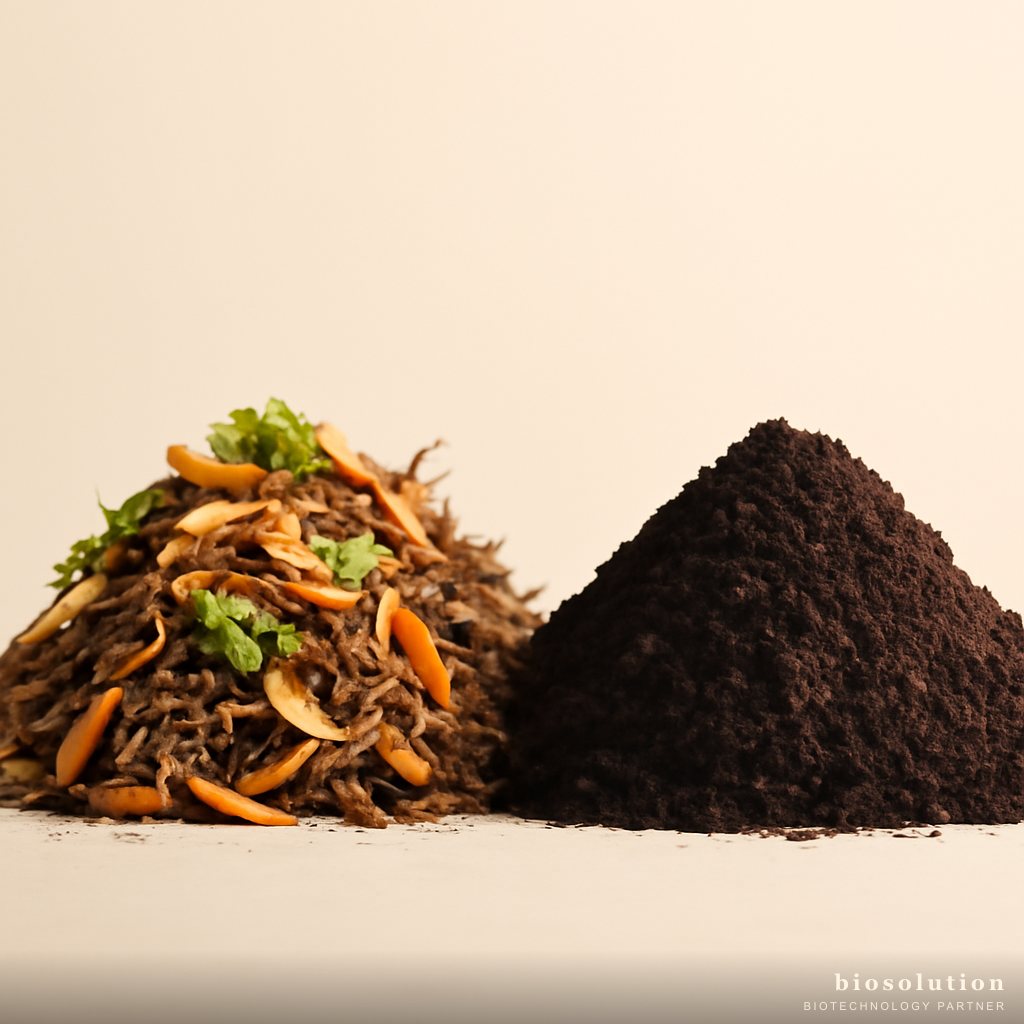
Best Liquid Biofertilizer for Indonesian Paddy Rice: 3 Complete Plant Nutrient Formulas
Paddy rice farming in Indonesia faces major challenges: dependence on increasingly expensive and soil-damaging chemical fertilizers. However, there is a proven effective biological solution—the best liquid biofertilizer for rice. This product not only increases yields of Indonesian paddy rice but also naturally improves soil fertility. This article will thoroughly explore how a biological approach through liquid biofertilizer can be a breakthrough for farmers in sustainably increasing productivity.
Why Chemical Fertilizers Are No Longer an Ideal Solution for Paddy Rice
Chemical fertilizers do provide instant results, but their long-term impacts are detrimental. Continuous use causes soil to become hard, pH imbalance, and a decline in soil microbial populations. As a result, fertilization efficiency drops drastically—rice only absorbs 30-40% of nitrogen from urea, the rest evaporates or leaches away. Data from the Ministry of Agriculture shows that rice productivity in intensive paddy fields tends to stagnate even as chemical fertilizer doses are increased. This is why farmers are starting to switch to the best liquid biofertilizer for rice as a long-term solution.
Mechanism of Action of Liquid Biofertilizer in Increasing Rice Yields
Liquid biofertilizer works biologically through a consortium of superior microbes. Unlike chemical fertilizers that directly provide nutrients, biofertilizers utilize natural symbiosis between microbes and plants. Here are the main mechanisms that make the best liquid biofertilizer for increasing yields of Indonesian paddy rice:
Atmospheric Nitrogen Fixation
Rhizobium sp. and Azospirillum sp. in the formula can fix free nitrogen from the air. Rhizobium symbioses with legume roots, but in a consortium also helps non-legume plants through associative mechanisms. Azospirillum lives around rice roots (gramineae) and provides ready-to-absorb nitrogen. Thus, plant nitrogen needs are met without relying on excessive urea.
Phosphate Solubilization and Provision of Other Nutrients
Bacillus subtilis and Pseudomonas fluorescens produce organic acids that dissolve bound phosphate in the soil. Phosphorus previously unavailable to plants becomes easily absorbed. Additionally, these microbes help dissolve potassium and other micronutrients. In other words, this liquid biofertilizer is a complete plant nutrient formula that optimizes nutrients already present in the soil.
Production of Phytohormones and Growth Promotion
Bacillus subtilis is known as a PGPR (Plant Growth Promoting Rhizobacteria) that produces hormones such as IAA (auxin) and gibberellins. These hormones stimulate the growth of lateral roots and root hairs, thereby increasing the nutrient absorption surface area. Healthier and denser roots make rice plants sturdier and more resistant to lodging.
Biocontrol of Soilborne Pathogens
Trichoderma sp. and Pseudomonas fluorescens act as biological agents that suppress soilborne pathogens such as Fusarium and Pythium. They produce lytic enzymes and siderophores that bind iron, depriving pathogens of nutrients. Thus, using liquid biofertilizer also reduces disease risk without the need for chemical fungicides.
Advantages of the 5-in-1 Formula: Complete Consortium in One Bottle
The best liquid biofertilizer for rice from Biosolution contains 5 superior microbial strains with a density of 10⁸ CFU/ml per strain. Here are the roles of each strain:
| Microbial Strain | Main Role |
|---|---|
| Rhizobium sp. | Symbiotic N₂ fixation for legumes and related plants |
| Bacillus subtilis | Phosphate solubilizer, PGPR, phytohormone producer |
| Azospirillum sp. | Associative N₂ fixation in gramineae (rice) |
| Pseudomonas fluorescens | Pathogen antagonist, siderophore producer |
| Trichoderma sp. | Biocontrol of soil fungi, decomposer of organic matter |
This combination makes the product a complete plant nutrient formula that not only fertilizes but also protects plants. With a single application, farmers get the benefits of nitrogen fixation, phosphate solubilization, hormone production, and disease protection.
Proper Application Method of Liquid Biofertilizer for Paddy Rice
For maximum results, application of liquid biofertilizer must follow the correct dosage and timing. Here are technical guidelines based on the product:
- Dosage: 5–10 ml per liter of water (about 1-2 bottle caps per 15-liter spray tank).
- Method: Drenching onto the root zone or soil spraying (do not spray on leaves as microbes need soil).
- Frequency: Every 10–14 days, 3–5 times per growing season. First application when plants are 7-10 days after transplanting.
- Best time: Morning before 10 AM or afternoon after 4 PM, avoid direct sunlight which can kill microbes.
Ensure the soil is moist before application so microbes can quickly adapt. Do not mix with fungicides or bactericides simultaneously as it can reduce microbial viability.
Case Study: Rice Yield Increase of Up to 30%
Trials in West Java paddy fields showed that using the best liquid biofertilizer for rice increased average yields by 20-30% compared to controls without biofertilizer. In plots using a combination of 50% chemical fertilizer + biofertilizer, yields were actually 15% higher than with 100% chemical fertilizer. This means farmers can save up to 50% on chemical fertilizer costs without losing yield, and even tend to increase it.
Data from IRRI research also supports that using biofertilizers can reduce greenhouse gas emissions from rice fields by curbing excessive urea use. This adds value to sustainable agriculture.
Advantages of Liquid Biofertilizer Compared to Solid Biofertilizer
Many farmers ask, why choose liquid biofertilizer? Its main advantages are:
- Easy to apply: Just mix with water, no need to bury like granular forms.
- Even distribution: Liquid can more easily reach the entire root zone.
- High viability: Microbes in liquid form with special formula remain viable until the expiration date.
- Fast acting: Microbes become active immediately upon contact with moist soil.
With practical packaging, farmers don't need to bother mixing or measuring complicated doses.
Why Choose Biosolution as Your Agricultural Partner?
Biosolution is an Indonesian agricultural biotechnology company focused on research and development of biofertilizers. Each microbial strain has undergone rigorous selection and field testing. The product is registered with the Ministry of Agriculture and used by thousands of farmers across various regions. By purchasing this product, you not only get the best liquid biofertilizer for rice but also technical support from a team of experts.
Conclusion
The best liquid biofertilizer for Indonesian paddy rice is a smart solution for sustainably increasing yields. With a consortium of 5 superior microbial strains, this product can fix nitrogen, solubilize phosphate, stimulate root growth, and protect plants from diseases. Its use can reduce chemical fertilizer by up to 50% and increase yields by 20-30%. For optimal results, apply according to the recommended dosage and timing.
Interested in trying? Contact the Biosolution team via WhatsApp for a free consultation or visit the product page Complete Plant Nutrient Formula for more information. Get the best liquid biofertilizer for rice and experience the difference!