Biofertilizer for Chili: 3 Complete Plant Nutrition Formulas
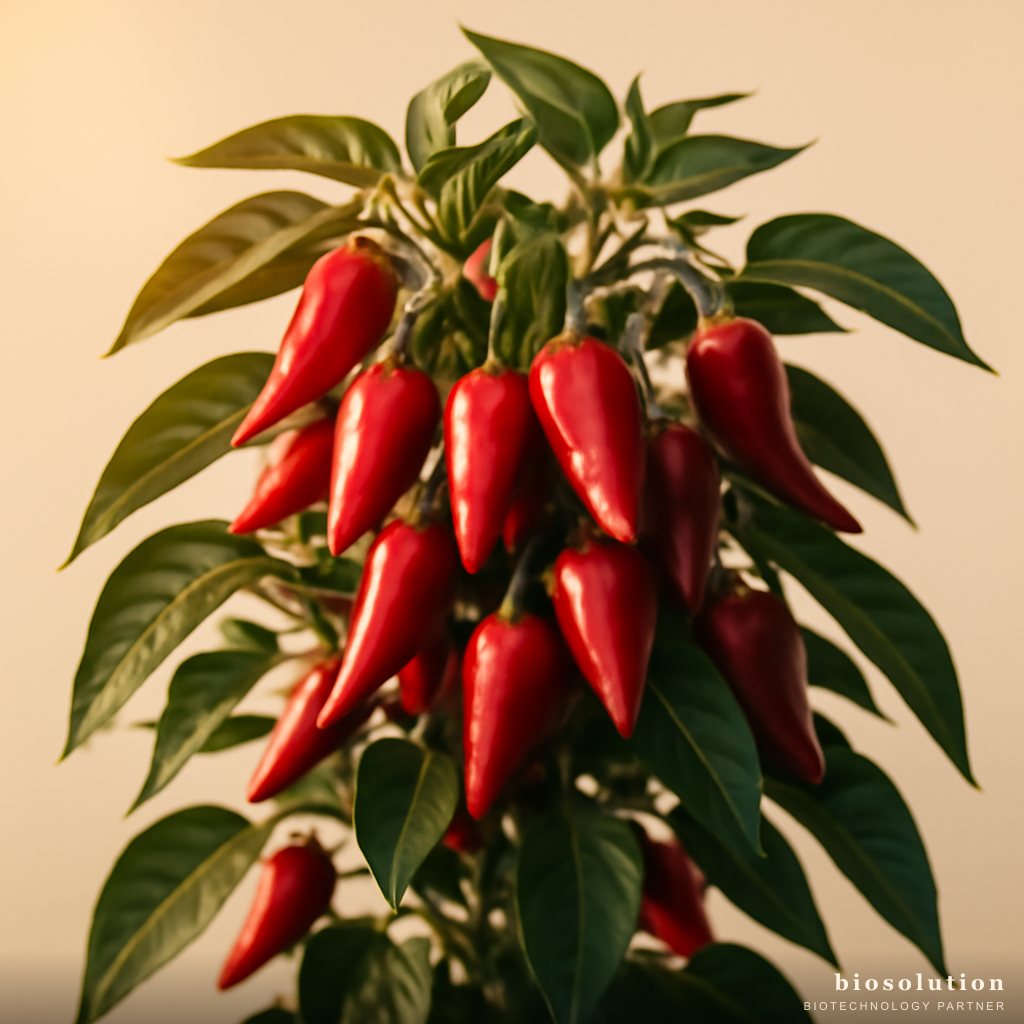
Red chili cultivation often faces severe challenges: wilt disease attacks, hollow fruit, and suboptimal yields despite large amounts of chemical fertilizers. Many farmers wonder why biofertilizer for chili is becoming an increasingly popular solution. The answer lies in a different biological approach: instead of just providing chemical nutrients, biofertilizers work by improving the soil ecosystem and strengthening plants from within. This article will explore three complete plant nutrition formulas contained in Biosolution's liquid biofertilizer product, and how the microbial mechanisms within can make red chili plants produce abundant fruit and resist disease.
Why is Biofertilizer for Chili Different from Chemical Fertilizer?
Chemical fertilizers provide instant nutrients, but in the long term they damage soil structure, kill natural microbes, and make plants dependent. As a result, soil becomes hard, poor in organic matter, and susceptible to soil-borne pathogens such as Fusarium and Pythium. In contrast, biofertilizer for chili works biologically: the microbes within live and multiply in the rhizosphere, forming a mutualistic symbiosis with roots.
Fundamental Differences
- Chemical fertilizer: Nutrients are directly absorbed, but do not improve long-term soil fertility.
- Biofertilizer: Microbes produce phytohormones, solubilize bound nutrients, and suppress pathogens. The result is healthier plants, denser roots, and higher quality fruit.
The 5-in-1 Liquid Biofertilizer Formula product from Biosolution contains five superior microbial strains, each with a specific role. This consortium is designed to synergize, so a single application covers three main functions: nutrition, protection, and soil improvement.
3 Complete Plant Nutrition Formulas in Biofertilizer for Chili
1. Nitrogen Fixers (Rhizobium sp. & Azospirillum sp.)
Nitrogen is a key element for vegetative growth of chili. Rhizobium sp. can fix atmospheric nitrogen symbiotically with leguminous plants, but also positively affects non-leguminous plants through associative mechanisms. Meanwhile, Azospirillum sp. is an associative nitrogen fixer that lives around roots and provides nitrogen in the form of ammonium ready for uptake.
Both microbes produce the nitrogenase enzyme that converts atmospheric N₂ into NH₃. In chili plants, adequate nitrogen availability results in fresh green leaves, sturdy stems, and increased flower count. With routine application every 10–14 days, the need for urea chemical fertilizer can be reduced by up to 50% without reducing yield.
2. Phosphate Solubilizers and Root Growth Promoters (Bacillus subtilis)
Phosphorus (P) is often bound in insoluble forms in soil, especially in acidic soils. Bacillus subtilis produces organic acids (citric acid, gluconic acid) that solubilize bound phosphate, making P available to plants. Additionally, this bacterium is a PGPR (Plant Growth Promoting Rhizobacterium) that produces phytohormones such as IAA (auxin) and gibberellins.
The role of IAA is crucial for stimulating lateral root and root hair growth. Denser roots mean more optimal water and nutrient uptake, making chili plants more tolerant to drought stress. During the generative phase, sufficient phosphorus also supports flower and fruit formation, resulting in denser and fuller red chili fruits.
3. Pathogen Biocontrol Agents and Decomposers (Pseudomonas fluorescens & Trichoderma sp.)
Fusarium wilt and root rot are major threats for chili farmers. Pseudomonas fluorescens produces siderophores that bind iron in the rhizosphere, depriving pathogens of Fe and inhibiting their growth. This bacterium also produces antibiotic compounds such as 2,4-diacetylphloroglucinol (DAPG) that inhibit the growth of pathogenic fungi.
Meanwhile, Trichoderma sp. is an antagonistic fungus that grows rapidly and parasitizes the mycelia of pathogens such as Fusarium and Pythium. Additionally, Trichoderma decomposes organic matter into humus, improves soil structure, and increases micronutrient availability. With these two biocontrol agents, chili plants have a dual defense against soil-borne diseases.
How to Apply Liquid Biofertilizer for Red Chili
For maximum results, the application of biofertilizer for chili must be precise. The 5-in-1 Liquid Biofertilizer Formula product is applied by drenching the root zone or soil spraying. The recommended dosage is 5–10 ml per liter of water, applied every 10–14 days, 3–5 times per growing season. The best time is in the morning before 10 AM or in the afternoon after 4 PM to avoid UV rays that can kill microbes.
Application Tips:
- Land preparation: Ensure the soil is moist before application. Do not mix biofertilizer with chemical fungicides simultaneously, as they can kill the microbes.
- Storage: Store the product in a cool, shaded place, avoid direct sunlight.
- Combination with organic fertilizer: For optimal results, combine with well-rotted manure or compost.
Case Study: Increased Red Chili Yield with Biofertilizer
Several field trials have shown that application of consortium biofertilizer on red chili can increase yield by 20–30% compared to controls using only chemical fertilizers. Additionally, the intensity of Fusarium wilt disease attacks decreased drastically due to the biocontrol activity of Pseudomonas fluorescens and Trichoderma sp..
Farmers in West Java reported that after using this product, red chili fruits were more uniform, abundant, and had longer shelf life. Chemical fertilizer use was reduced by half, making production costs more efficient. In other words, biofertilizer for chili is not only an environmentally friendly solution but also economical.
Conclusion
Biosolution's biofertilizer for chili offers three complete plant nutrition formulas that work synergistically: nitrogen fixation, phosphate solubilization, and pathogen biocontrol. With a consortium of five superior microbial strains, this product can increase red chili yield by up to 30%, reduce chemical fertilizer use by 50%, and make plants more disease-resistant. This biological approach is fundamentally different from chemical fertilizers that only provide temporary nutrition. If you want red chili plants to produce abundant and healthy fruit, start switching to biofertilizer. For further consultation, contact the Biosolution team via WhatsApp or see the 5-in-1 Liquid Biofertilizer Formula product and the POC Formula for Flower & Fruit Induction as a supplement.
References: Product efficacy data based on Biosolution laboratory and field tests. Further information on microbial mechanisms can be found at the Ministry of Agriculture and FAO.