Biofertilizer for Chili: 5 Common Mistakes to Avoid
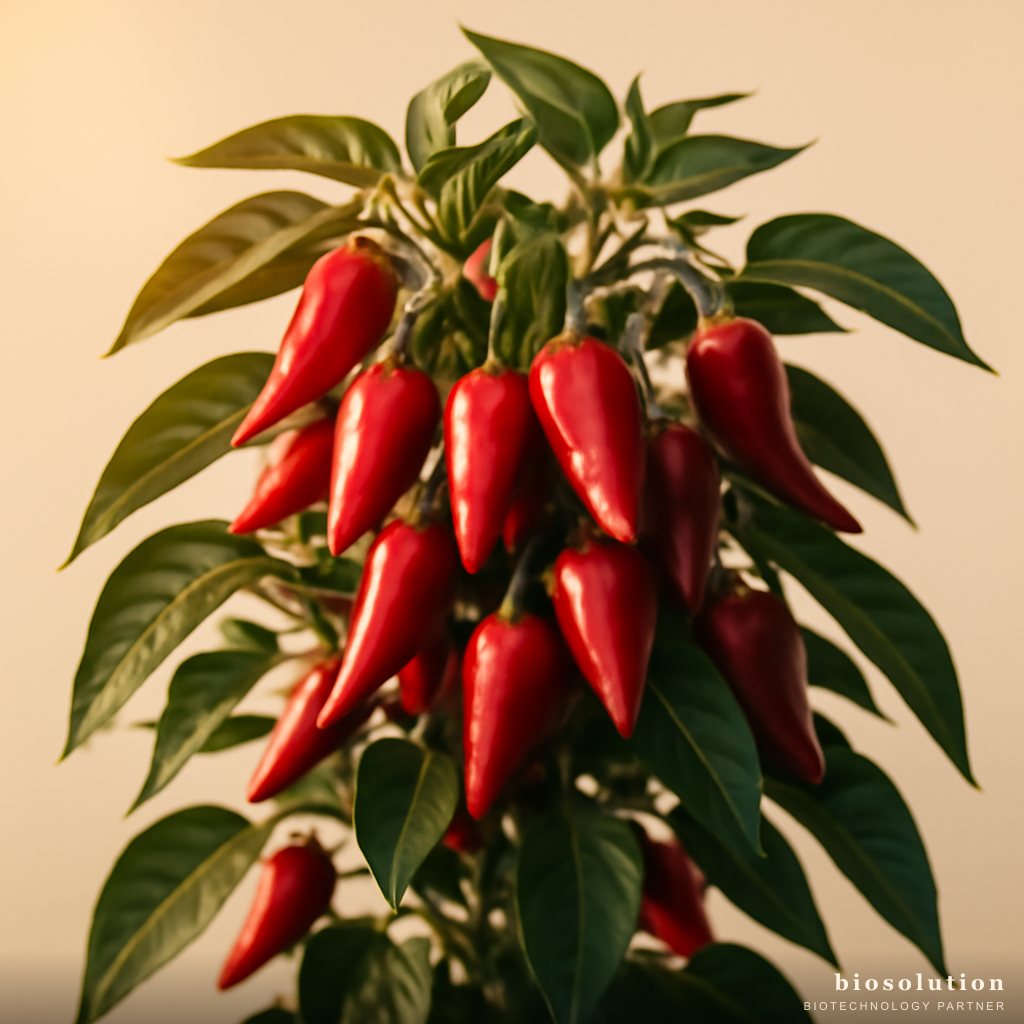
Biofertilizer for chili has become a favorite of modern farmers who want to increase productivity while reducing dependence on chemical fertilizers. However, many still experience crop failure or suboptimal fruit yields despite using biofertilizers. Application errors, product selection, or misunderstandings are often the culprits. This article thoroughly discusses the five most common mistakes when using liquid biofertilizer for red chili to produce abundant and disease-resistant fruit, and how the right solution from Biosolution can save your growing season.
1. Incorrect Dosage and Application Frequency
Many farmers assume biofertilizers are like chemical fertilizers: the more, the better. In fact, microbes in biofertilizers need ideal conditions to thrive. Excessive dosage can cause competition among microbes or even cell death due to nutrient overload.
Ideal Dosage for Chili
Biosolution's 5-in-1 Liquid Biofertilizer Formula contains five superior strains: Rhizobium sp., Bacillus subtilis, Azospirillum sp., Pseudomonas fluorescens, and Trichoderma sp.. The recommended dosage is 5–10 ml per liter of water, applied every 10–14 days for 3–5 times per growing season. This frequency maintains optimal microbial populations in the rhizosphere without saturating the soil.
Common mistake: applying only once and expecting instant results. Microbes need time to form colonies and synergize with roots. Consistency is key.
2. Wrong Application Timing
Microbes in biofertilizers are very sensitive to UV light and extreme temperatures. Application during scorching midday can kill up to 90% of the microbial population within minutes.
Best Timing
Biosolution's application instructions emphasize morning before 10 AM or afternoon after 4 PM. At these times, sunlight intensity is low, humidity is high, giving microbes time to penetrate the soil before UV exposure. Fatal mistake: spraying during heavy rain or waterlogged soil — microbes will be washed away and unable to work.
3. Ignoring Soil Conditions and Strain Suitability
Not all biofertilizers are suitable for all soil types. Biofertilizer for chili should contain a consortium capable of adapting to field conditions. Biosolution's product is formulated with Bacillus subtilis and Pseudomonas fluorescens, which are tolerant of acidic and dry soils, plus Trichoderma sp. that decomposes organic residues.
Mistake: using a single-strain biofertilizer (e.g., only Rhizobium) for chili, which is not a legume. Chili is not a host plant for Rhizobium, so that strain will not be effective. Choose a product with a complete consortium like 5-in-1 Liquid Biofertilizer Formula designed for all plants, including chili.
4. Not Integrating with Chemical Fertilizers
Biofertilizers are not a total replacement for chemical fertilizers, but a supplement to improve efficiency. Biosolution claims it can reduce chemical fertilizer use by up to 50% without reducing yields. However, many farmers immediately stop chemical fertilizers 100% when switching to biofertilizers. As a result, plants lack macronutrients during critical phases.
Integration Strategy
Use chemical fertilizers as a starter at planting (e.g., NPK 16-16-16 at half the recommended dose), then supplement with biofertilizer every 10–14 days. Bacillus subtilis will solubilize bound phosphate, Azospirillum fixes nitrogen, reducing chemical fertilizer needs. For the generative phase, combine with POC Formula for Flower & Fruit Trigger to maximize fruiting.
5. Improper Storage and Mixing
Biofertilizers are living products. If stored at temperatures >40°C or exposed to direct sunlight, microbes die. Similarly, mixing with fungicides or high chlorine levels renders them ineffective.
Proper Storage
Store in a cool (15–30°C), dry place away from sunlight. Do not freeze. When mixing, use clean water without chlorine (let well water sit overnight). If mixing with pesticides, ensure the pesticide is organic or perform a small compatibility test.
Mechanism of Biosolution Consortium
To maximize results, understand how the five strains in Biosolution's product work:
- N₂ Fixation: Rhizobium sp. and Azospirillum sp. fix atmospheric nitrogen into ammonia that plants can absorb. In chili, Azospirillum plays the main role as it lives around roots (associative).
- Phosphate Solubilization: Bacillus subtilis produces organic acids that dissolve bound phosphate in soil, making P available for fruit formation.
- Biocontrol: Pseudomonas fluorescens produces siderophores that bind iron, causing pathogens like Fusarium and Pythium to lack Fe and die. Trichoderma sp. also inhibits soil-borne fungal pathogens.
- Phytohormones: Bacillus and Pseudomonas produce IAA (auxin) and gibberellins that stimulate root growth and flowering.
Field Performance Data
Biosolution trials on red chili showed a 20–30% increase in harvest yield compared to control (chemical fertilizer only). Chemical fertilizer use was reduced by 50% without reducing fruit weight. Each strain has a concentration of 10⁸ CFU/ml, ensuring sufficient population for colonization. Full product details can be seen on the Complete Plant Nutrition Formula product page.
Conclusion
Biofertilizer for chili is a smart solution for sustainable agriculture, provided it is applied correctly. Avoid the five mistakes above: pay attention to dosage and frequency, choose the right application time, match strains to soil conditions, integrate wisely with chemical fertilizers, and store and mix properly. With Biosolution's consortium product, you can get abundant and disease-resistant red chili without wasting fertilizer.
Need further guidance? Consult directly with Biosolution's expert team via WhatsApp for specific recommendations for your land.