Biofertilizer for Chili: Solution for Abundant Fruit and Disease Resistance
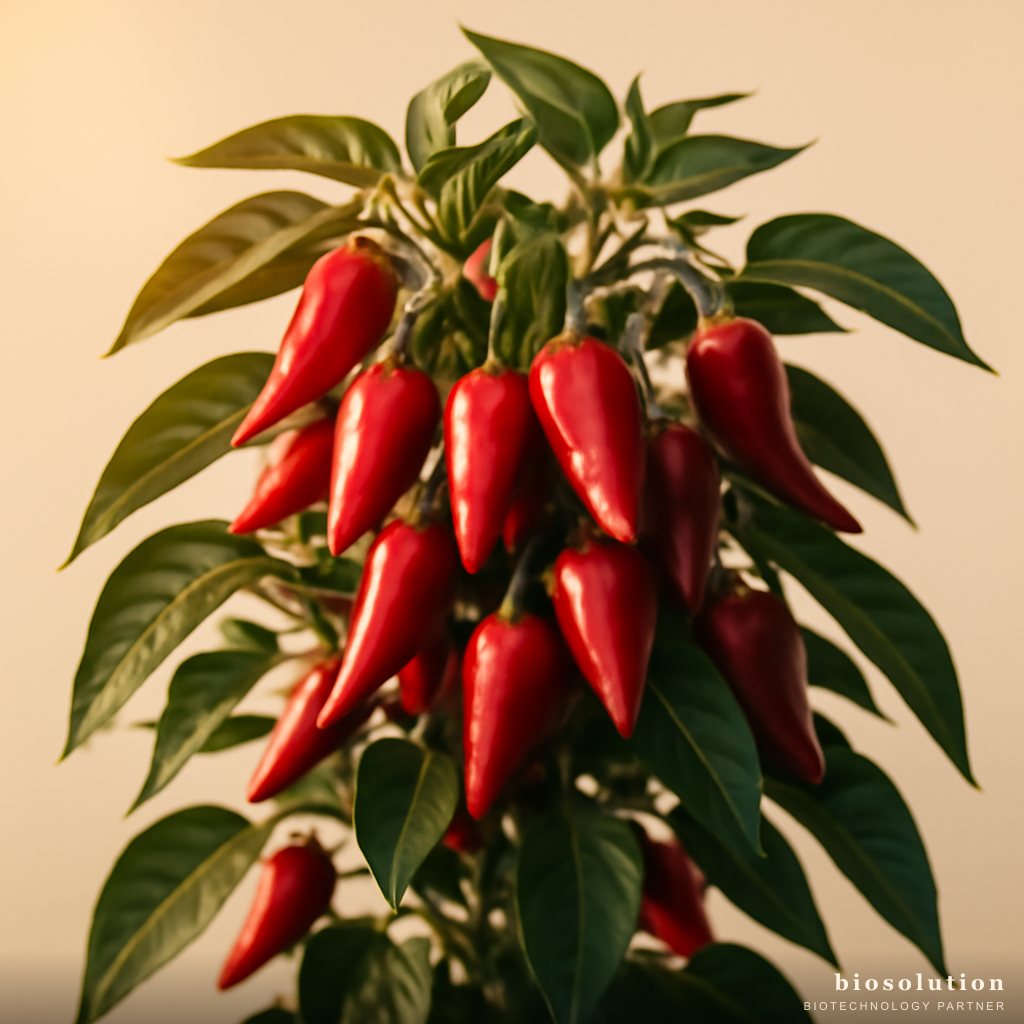
Red chili cultivation often faces challenges such as low fruit yield, wilting plants, and disease attacks. Biofertilizer for chili emerges as a modern microbiology-based solution that not only increases harvest yields but also strengthens plant resistance naturally. By using superior microbial consortia, farmers can reduce dependence on chemical fertilizers by up to 50% without sacrificing productivity. This article thoroughly discusses the main causes of low chili production, symptoms of disease attacks, and how soil microbes can be the key to successful cultivation of abundant and healthy red chili.
Why Do Chili Plants Often Fail to Produce Abundant Fruit?
Many farmers complain about chili plants that grow lush but produce few fruits. The causative factors vary, ranging from nutrient imbalance, root pathogen attacks, to unsupportive soil conditions. Soil lacking beneficial microbes causes nutrients such as phosphorus (P) and potassium (K) to become bound and unavailable to plants. Consequently, flower and fruit formation is hindered. Additionally, soil-borne pathogens like Fusarium and Pythium attack roots, disrupting water and nutrient absorption, causing plant stress and reduced production. Excessive use of chemical fertilizers worsens soil conditions, suppresses natural microbial populations, and makes plants susceptible to diseases.
The Role of Microbes in Increasing Chili Productivity
Soil microbes play a vital role in providing nutrients to plants. Biofertilizer for chili contains microbial consortia that work synergistically: Rhizobium sp. and Azospirillum sp. fix nitrogen from the air, Bacillus subtilis solubilizes bound phosphate, and Pseudomonas fluorescens produces siderophores that bind iron and inhibit pathogens. Additionally, Trichoderma sp. acts as a biocontrol agent for soil fungi and decomposer of organic matter. With regular application, the soil becomes loose, roots develop optimally, and plants can produce abundant fruit.
Symptoms of Chili Plants Attacked by Pathogenic Microbes
Diseases in chili often appear unnoticed until plants permanently wilt. Here are typical symptoms to watch out for:
- Fusarium Wilt: Yellowing leaves starting from the bottom, wilting during the day, and brown discoloration at the stem base. When split, brown vascular tissue is visible.
- Damping Off: Young seedlings collapse at the soil surface, stems become soft and water-soaked.
- Root Rot: Roots turn dark brown to black, plants are stunted, and fruit yield is low.
- Leaf Spot: Brown spots with yellow halos, caused by Cercospora or Alternaria fungi.
These pathogens usually persist in the soil and attack under moist conditions. The use of biofertilizer for chili containing Trichoderma and Pseudomonas can naturally suppress pathogen populations, preventing infection before it occurs.
Microbial Solution: Application of Liquid Biofertilizer for Red Chili
Biosolution's flagship product, 5-in-1 Liquid Biofertilizer Formula, is specifically designed to address chili cultivation problems. With a consortium of 5 microbial strains at a density of 10⁸ CFU/ml, this product provides dual benefits: enriching the soil and protecting plants. Here is the correct application guide:
Dosage and Application Method
- Dosage: 5–10 ml per liter of water (equivalent to 50–100 ml per 10-liter tank).
- Method: Drenching the root zone or spraying the soil around the stem base.
- Frequency: Every 10–14 days, starting from 7 DAP until harvest, total 3–5 times per season.
- Best Time: Morning before 10 AM or afternoon after 4 PM, avoid direct sunlight.
Mechanism of Action of the Microbial Consortium
- Nitrogen Fixation: Rhizobium and Azospirillum convert atmospheric N₂ into ammonia that plants can absorb, reducing urea fertilizer needs by up to 50%.
- Phosphate Solubilization: Bacillus subtilis produces organic acids that solubilize bound phosphates (Fe-P, Al-P, Ca-P) into forms available to plants.
- Phytohormone Production: Bacillus and Pseudomonas produce IAA (auxin) and gibberellins that stimulate lateral root growth, enhancing nutrient uptake.
- Pathogen Antagonism: Pseudomonas fluorescens produces siderophores that bind iron, inhibiting the growth of Fusarium and Pythium. Trichoderma parasitizes and degrades the cell walls of pathogenic fungi.
Real Results: 20–30% Increase in Harvest Yield
Field trials on red chili farms in West Java showed that regular application of biofertilizer for chili increased the number of fruits per plant from 25 to 35–40 fruits, with more uniform fruit weight. Additionally, the intensity of Fusarium wilt attacks decreased by up to 70%. Farmers reported saving up to half on chemical fertilizer costs without quality decline.
Advantages of 5-in-1 Liquid Biofertilizer Formula Compared to Conventional Fertilizers
Chemical fertilizers provide instant nutrients, but their long-term impact on soil is negative. In contrast, biofertilizer for chili works naturally and sustainably. Here is a comparison:
| Aspect | Chemical Fertilizer | 5-in-1 Biofertilizer |
|---|---|---|
| Content | Inorganic N, P, K | Live microbes + enzymes |
| Mode of action | Directly absorbed | Improves soil, provides nutrients |
| Soil impact | Acidifies, compacts | Loosens, increases organic matter |
| Plant resistance | Susceptible to diseases | Boosts immunity |
| Cost | Expensive long-term | More economical (50% reduction) |
With a consortium of 5 strains in one bottle, this product ensures optimal synergy: Rhizobium for legumes, Azospirillum for non-legumes, Bacillus as PGPR, Pseudomonas as biocontrol, and Trichoderma as decomposer. The density of 10⁸ CFU/ml guarantees microbial viability throughout the shelf life.
Case Study: Red Chili Farmer in East Lombok
Mr. Samsul, a chili farmer in East Lombok, complained that his chili plants often wilted suddenly and produced few fruits. After following the extension officer's recommendation, he used biofertilizer for chili at a dosage of 7 ml/liter every 10 days. The results:
- Plants were greener and sturdier.
- Wilt attacks drastically reduced.
- Production increased from 8 tons/ha to 11 tons/ha (37.5% increase).
- Chemical fertilizer costs dropped by 45%.
Mr. Samsul now regularly uses this product and recommends it to other farmers. This success story proves that microbial solutions are not just theory but real profitable practice.
Conclusion
Biofertilizer for chili is the right solution for farmers who want to increase productivity while maintaining soil health. By using a consortium of 5 superior microbes, red chili plants can produce abundant fruit, resist diseases, and reduce dependence on chemical fertilizers. Regular application every 10–14 days at a dosage of 5–10 ml per liter of water yields optimal results. If you want further consultation or to try this product, contact the Biosolution team via WhatsApp or see the product 5-in-1 Liquid Biofertilizer Formula and supporting product POC Formula for Flower & Fruit Trigger for maximum results.