Biofertilizer for Citrus: Cost-Efficient for Siam & Pomelo Oranges
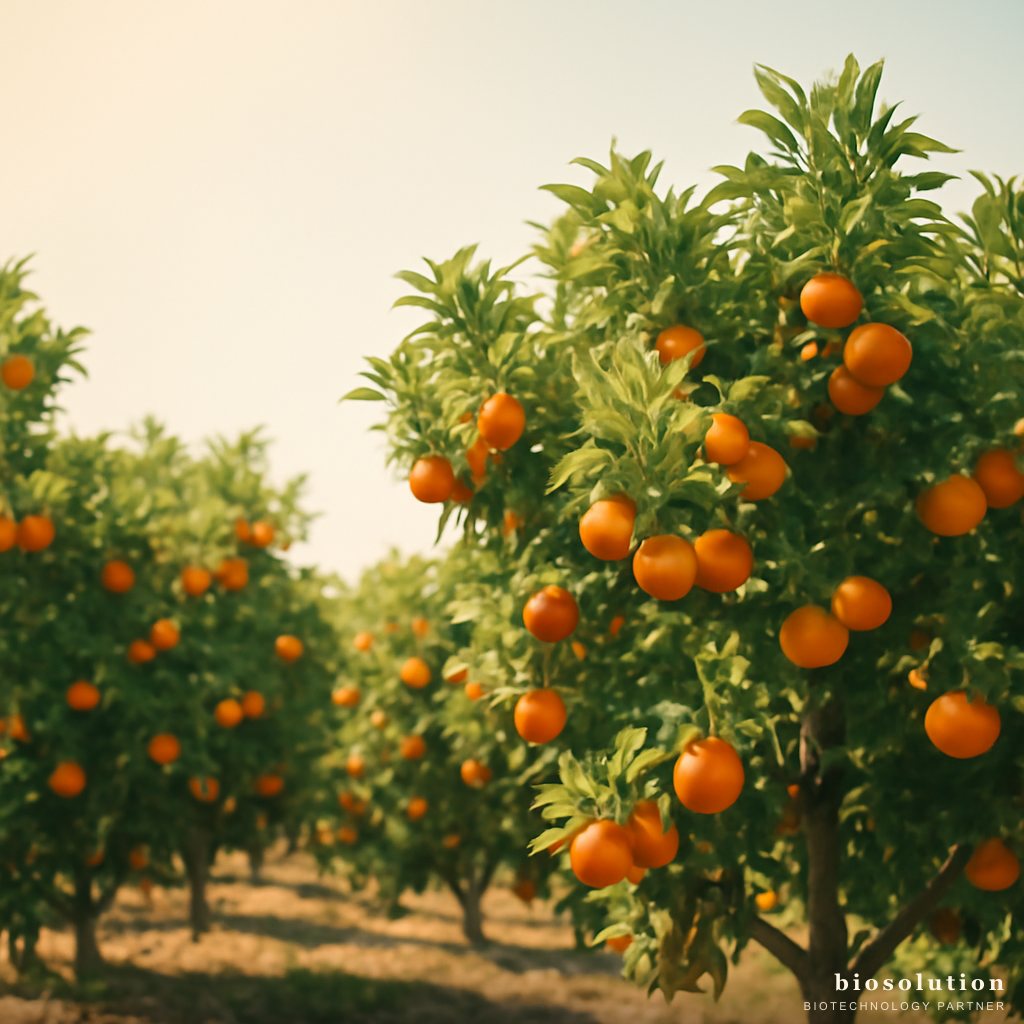
Siam oranges and pomelo oranges are leading commodities that require balanced nutrition for optimal growth and quality fruit production. However, the high price of chemical fertilizers often burdens farmers. Biofertilizer for citrus emerges as a smart solution to reduce fertilization costs while increasing productivity. This article thoroughly examines the cost comparison between conventional and biofertilizer systems, and introduces complete plant nutrition formulas that can be your mainstay.
Why Do Fertilization Costs for Siam and Pomelo Oranges Often Balloon?
Conventional fertilization for siam and pomelo oranges typically relies on synthetic chemical fertilizers such as urea, SP-36, and KCl. Although they provide quick effects, repeated use damages soil structure, reduces microbial activity, and increases soil acidity. Consequently, fertilizer doses must be continuously increased to maintain yields. Add to that application costs including labor, transportation, and the risk of nutrient leaching due to rain. All these factors make conventional fertilization costs per hectare per season reach IDR 8–12 million for siam oranges and even higher for pomelo due to longer harvest cycles.
On the other hand, biofertilizer offers a more efficient approach. By utilizing superior microbes such as Rhizobium sp., Bacillus subtilis, Azospirillum sp., Pseudomonas fluorescens, and Trichoderma sp., biofertilizer not only provides nutrients naturally but also improves soil conditions. As a result, farmers can save up to 50% on chemical fertilizer costs without sacrificing fruit quality.
Cost Comparison: Conventional vs Biofertilizer for Siam and Pomelo Oranges
Conventional Fertilization Cost Components (per hectare per season)
- Chemical fertilizers (Urea 500 kg, SP-36 300 kg, KCl 300 kg): IDR 7,500,000
- Application (labor, 10 man-days): IDR 1,500,000
- Soil amendments (if needed): IDR 1,000,000
- Total: IDR 10,000,000
Biofertilizer Cost Components (per hectare per season)
- Biofertilizer (5 liters, applied every 10-14 days): IDR 1,500,000
- Chemical fertilizers (reduced by 50%, e.g., Urea 250 kg, SP-36 150 kg, KCl 150 kg): IDR 3,750,000
- Application (less due to 5 biofertilizer applications): IDR 750,000
- Total: IDR 6,000,000
Savings: IDR 4,000,000 per hectare per season (40%) for siam oranges. For pomelo oranges with longer cycles, savings can be greater because biofertilizer maintains soil health, reducing chemical fertilizer needs in subsequent seasons.
Mechanism of Biofertilizer in Reducing Costs and Increasing Yields
Nitrogen Fixation by Rhizobium and Azospirillum
Rhizobium sp. in biofertilizer can fix free nitrogen from the air and provide it to leguminous plants like citrus (although citrus is not a legume, its rhizosphere benefits from Azospirillum sp. which is associative). Thus, the need for urea fertilizer can be significantly reduced.
Phosphate Solubilization by Bacillus subtilis
Phosphate (P) is often bound in soil and unavailable to plants. Bacillus subtilis produces organic acids that dissolve P bonds, making it easily absorbed by roots. This reduces the need for SP-36 by up to 50%.
Production of Phytohormones and Pathogen Antagonism
Pseudomonas fluorescens produces siderophores that bind iron, inhibiting the growth of soil-borne pathogens like Fusarium. Meanwhile, Trichoderma sp. directly suppresses pathogenic fungi and decomposes organic matter, increasing nutrient availability.
All these mechanisms work synergistically in the 5-in-1 Liquid Biofertilizer Formula which contains 5 superior strains at a concentration of 10⁸ CFU/ml per strain.
Case Study: Siam Orange Farmer in East Java
Mr. Budi, a siam orange farmer in Malang, has been using biofertilizer since 2023. Previously, he spent IDR 9 million per hectare per season on chemical fertilizers. After switching to biofertilizer, costs dropped to IDR 5.5 million. Yields actually increased by 25%, from 20 tons to 25 tons per hectare. "The fruit is sweeter and has longer shelf life," he said. This success is attributed to Trichoderma sp. improving soil structure and Bacillus subtilis solubilizing phosphate.
Product Recommendation: 5-in-1 Liquid Biofertilizer Formula
To make it easier for farmers, the 5-in-1 Liquid Biofertilizer Formula from Biosolution is available as a complete solution. This product contains:
- Rhizobium sp. (N₂ fixer)
- Bacillus subtilis (P solubilizer, PGPR)
- Azospirillum sp. (associative N₂ fixer)
- Pseudomonas fluorescens (biocontrol, siderophore producer)
- Trichoderma sp. (fungal biocontrol, decomposer)
Application dosage: 5–10 ml per liter of water, drenched onto the root zone every 10–14 days, 3–5 times per season. Apply in the morning or evening for best results.
Proven benefits:
- Reduces chemical fertilizers by up to 50%
- Increases yields by 20–30%
- Improves soil structure
- Enhances plant stress tolerance
For those focusing on flowering and fruiting, it can be combined with the POC Formula for Flower & Fruit Induction which is rich in natural hormones.
Conclusion
The application of biofertilizer for citrus has been proven to reduce fertilization costs by up to 40% for siam and pomelo oranges, while increasing yields. By utilizing a consortium of superior microbes, farmers need not worry about losing productivity. Switch to more efficient and environmentally friendly sustainable agriculture. For further consultation, contact the Biosolution team via WhatsApp.
FAQ
Is biofertilizer safe for citrus fruits?
Yes, biofertilizer is 100% natural and leaves no chemical residues on the fruit. The microbes used have been tested safe and actually improve fruit quality such as sweeter taste and longer shelf life.
How many times should biofertilizer be applied in one citrus growing season?
For siam and pomelo oranges, apply every 10–14 days, 3–5 times during the vegetative and early generative phases. Frequency can be adjusted based on soil conditions and plant age.
Can biofertilizer be mixed with chemical fertilizers?
Yes, but it is best not to mix them directly in the same container. Apply chemical fertilizers first, then after 2–3 days apply biofertilizer. Avoid mixing with chemical pesticides as they can kill the microbes.
Is biofertilizer effective for all types of citrus?
Very effective, especially for siam and pomelo oranges. The microbial consortium in the 5-in-1 Liquid Biofertilizer Formula works universally on various fruit crops.
Where can I buy Biosolution biofertilizer?
Products are available at partner agricultural stores or can be ordered directly through the official Biosolution website. For more information, contact our customer service.