Biofertilizer for Cocoa: 4 Complete Plant Nutrient Formulas
Biofertilizer for cocoa is a key solution for farmers looking to boost pod production while maintaining plant health sustainably. The 5-in-1 Liquid Biofertilizer Formula from Biosolution offers a consortium of five superior microbial strains that work synergistically to improve nutrient availability, stimulate root growth, and protect plants from soil-borne pathogens. With the right dosage and application schedule, this biofertilizer can reduce dependence on chemical fertilizers by up to 50% without sacrificing yield.
Why Biofertilizer for Cocoa Is Increasingly Important?
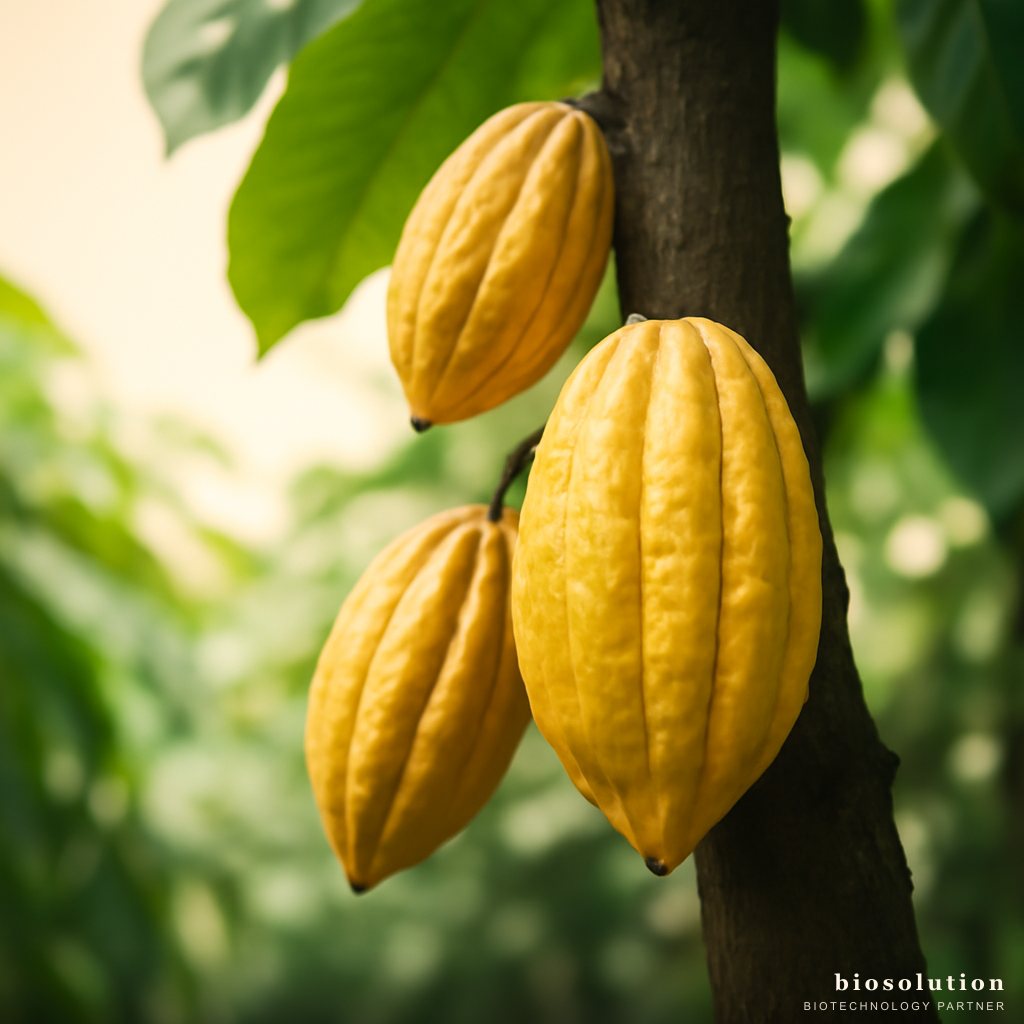
Cocoa plants (Theobroma cacao) require balanced nutrition throughout their life cycle, especially nitrogen, phosphorus, potassium, and micronutrients. However, continuous use of chemical fertilizers leads to soil degradation, a decline in beneficial microbial populations, and increased disease attacks such as pod rot (Phytophthora) and root fungi. This is where biofertilizers play a role: providing nutrients naturally through biological mechanisms, while improving soil structure and enhancing plant resistance.
Data from the Ministry of Agriculture shows that national cocoa productivity is still below its genetic potential, largely due to suboptimal fertilization practices. By adopting biofertilizers like the 5-in-1 Liquid Biofertilizer Formula, farmers can increase fertilization efficiency and yields by 20–30%.
Composition of the Microbial Consortium in the 5-in-1 Liquid Biofertilizer Formula
This product contains five microbial strains with a minimum density of 10⁸ CFU/ml per strain, formulated in one bottle. Here are the roles of each:
1. Rhizobium sp.
- Symbiotic nitrogen fixer that forms root nodules on legumes. Although cocoa is not a legume, Rhizobium still contributes through associative mechanisms and root exudates that stimulate other microbial activity.
2. Bacillus subtilis
- Phosphate-solubilizing bacteria and producer of phytohormones (IAA, gibberellins). B. subtilis triggers lateral root and root hair growth, significantly increasing nutrient and water uptake.
3. Azospirillum sp.
- Associative nitrogen fixer that lives around the root zone. This strain contributes additional nitrogen that can be directly utilized by plants.
4. Pseudomonas fluorescens
- Antagonist to soil-borne pathogens such as Fusarium and Pythium. This bacterium produces siderophores that bind iron ions, inhibiting the growth of pathogenic fungi.
5. Trichoderma sp.
- Beneficial fungus that acts as a biocontrol agent and decomposer. Trichoderma protects roots from Phytophthora attacks and accelerates the decomposition of organic matter into humus.
How to Apply Biofertilizer for Cocoa to Increase Pod Yield
Proper application is the key to success. Here is a complete guide to using the 5-in-1 Liquid Biofertilizer Formula on cocoa plants:
Dosage and Dilution
- Dosage: 5–10 ml of product per liter of water.
- For one mature cocoa tree (>3 years old), use 2–3 liters of the prepared solution.
- Stir until homogeneous. Use clean water (pH 6–7) for optimal results.
Application Methods
- Soil drench: Pour the solution evenly around the root zone, about 30–50 cm from the main trunk.
- Soil spray: Spray onto the soil surface under the canopy, avoiding the leaves.
Frequency and Timing
- Frequency: Every 10–14 days.
- Total applications: 3–5 times per growing season (one cocoa season lasts about 6–8 months).
- Best time: Morning before 10 AM or afternoon after 4 PM, when temperatures are not too high and UV light is low.
Additional Tips
- The first application should be done after pruning and basal fertilization.
- Avoid mixing with chemical pesticides or fungicides at the same time; allow a minimum interval of 3 days.
- If the soil is too dry, water with clean water first to help microbes colonize more easily.
Mechanism of Biofertilizer in Increasing Cocoa Pod Production
Biofertilizers work through three main pathways:
1. Enhanced Nutrient Availability
- Rhizobium and Azospirillum fix nitrogen from the air and convert it into ammonium that roots can absorb.
- Bacillus subtilis solubilizes bound phosphate in the soil into available forms (H₂PO₄⁻).
- Microbes also produce organic acids that help release potassium and micronutrients.
2. Root Growth Stimulation
Production of phytohormones (IAA, gibberellins, cytokinins) by Bacillus subtilis and Azospirillum stimulates root branching, making plants more efficient at absorbing water and nutrients. Healthy roots also support the formation of more and uniform pods.
3. Pathogen Protection
Pseudomonas fluorescens and Trichoderma inhibit the growth of pathogenic fungi such as Phytophthora palmivora (causing pod rot) and Fusarium (wilt). By suppressing diseases, plants can allocate more energy to pod formation.
Test Results and Real Benefits for Cocoa Farmers
Field trials show that using the 5-in-1 Liquid Biofertilizer Formula on cocoa results in:
- Up to 30% increase in pod count per tree.
- More uniform pod weight and plumper beans.
- Up to 40% reduction in pod rot incidence.
- Up to 50% savings on chemical fertilizer costs without yield loss.
A cocoa farmer in Central Sulawesi reported that after 3 applications, the leaves were greener, pods were more abundant, and the soil felt looser. This shows that biofertilizer not only provides nutrients but also improves overall soil health.
Conclusion
Biofertilizer for cocoa, especially the 5-in-1 Liquid Biofertilizer Formula, is the right solution to increase pod production naturally and sustainably. With a dosage of 5–10 ml/liter of water, application every 10–14 days for 3–5 times per growing season, and application in the morning or afternoon, farmers can experience real benefits: more pods, healthier plants, and more efficient fertilization costs. Do not hesitate to adopt this microbiological technology for the future of your cocoa plantation.
For further consultation on specific dosages according to your plantation conditions, contact the Biosolution team via WhatsApp. Also see the product 5-in-1 Liquid Biofertilizer Formula for more detailed information.