Biofertilizer for Cocoa: Lower Costs, More Pods
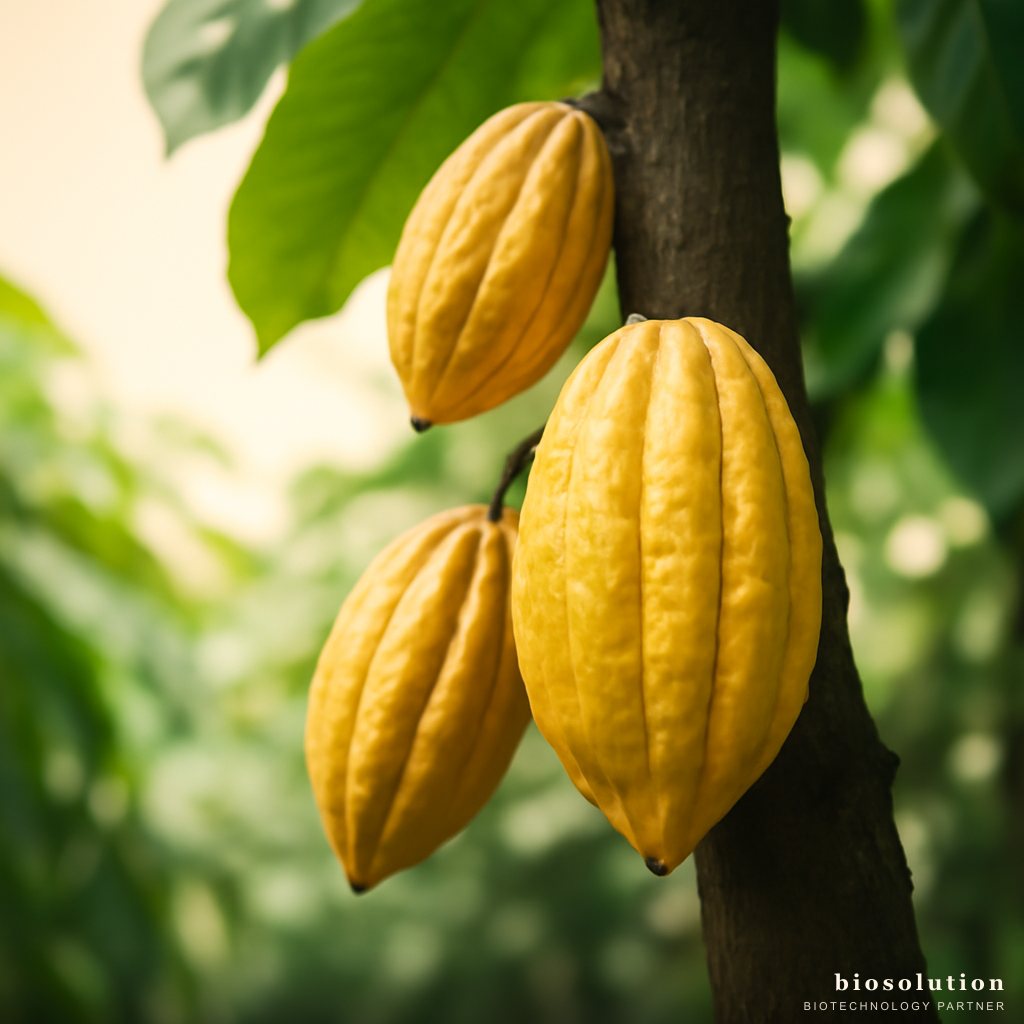
Fertilization is a key factor in cocoa productivity. However, the rising cost of chemical fertilizers often burdens farmers. The solution? Switch to biofertilizer for cocoa. By utilizing beneficial microorganisms, farmers can not only reduce costs but also increase the quantity and quality of pods. This article will explore the cost comparison between conventional and biofertilizer fertilization, and how Biosolution's 5-in-1 Liquid Biofertilizer Formula can be the right choice.
Why Are Conventional Cocoa Fertilization Costs High?
Conventional cocoa fertilization typically uses high doses of chemical NPK fertilizers, plus micronutrients and organic fertilizers. The cost per hectare per season can reach IDR 3-5 million, depending on fertilizer prices and application. However, nutrient uptake efficiency from chemical fertilizers is only about 30-50%; the rest is lost due to evaporation, leaching, or soil fixation. As a result, farmers must repeat applications more frequently, increasing labor and fertilizer purchase costs.
Moreover, continuous use of chemical fertilizers damages soil structure, reduces natural microbial populations, and increases soil acidity. The long-term impact is declining land productivity, forcing farmers to increase fertilizer doses each year. This is what makes conventional fertilization costs inefficient.
Biofertilizer for Cocoa: Low Initial Investment, Maximum Results
Biofertilizers like the 5-in-1 Liquid Biofertilizer Formula offer a more economical solution. This product contains 5 superior microbial strains: Rhizobium sp., Bacillus subtilis, Azospirillum sp., Pseudomonas fluorescens, and Trichoderma sp.. This consortium works synergistically to provide nutrients, protect plants from diseases, and improve soil fertility.
The cost of using biofertilizer per hectare per season is only around IDR 500,000 - 1,000,000 (dosage 5-10 ml/liter water, application 3-5 times per season). Compare this to chemical fertilizers which can reach IDR 3-5 million. This means farmers can save 50-70% on fertilization costs. Additionally, because microbes continue to multiply in the soil, the effects can last until the next season, reducing application frequency.
Cost Comparison: Conventional vs. Biofertilizer for Cocoa
Here is a cost analysis for cocoa fertilization per hectare per growing season (assuming 2 seasons per year):
| Cost Component | Conventional (IDR) | Biofertilizer (IDR) |
|---|---|---|
| NPK fertilizer (500 kg) | 2,500,000 | 1,250,000 (reduced 50%) |
| Micronutrient fertilizer | 500,000 | 0 (replaced by biofertilizer) |
| Organic fertilizer | 1,000,000 | 500,000 (reduced) |
| Biofertilizer | 0 | 750,000 |
| Application labor | 500,000 | 250,000 (fewer applications) |
| Total | 4,500,000 | 2,750,000 |
With biofertilizer, farmers can save IDR 1,750,000 per hectare per season. Not to mention the 20-30% yield increase reported in various crops. If the selling price of cocoa is IDR 25,000/kg, an additional 300 kg means extra income of IDR 7,500,000. Net profit increases significantly.
Mechanism of Biofertilizer in Boosting Cocoa Production
Biofertilizer works through several mutually supportive mechanisms:
- Nitrogen fixation: Rhizobium and Azospirillum fix N₂ from the air, providing nitrogen needed for vegetative growth and fruit formation.
- Phosphate solubilization: Bacillus subtilis and organic acids from microbes solubilize bound phosphate in the soil, increasing P availability for flower and fruit formation.
- Phytohormone production: Microbes produce IAA, gibberellins, and cytokinins that stimulate root growth and plant development, making plants stronger and more productive.
- Biocontrol: Trichoderma and Pseudomonas suppress soil-borne pathogens like Fusarium and Phytophthora that often attack cocoa, reducing losses from diseases.
Through these mechanisms, biofertilizer not only reduces dependence on chemical fertilizers but also naturally improves plant health.
Effective Application of Biofertilizer for Cocoa
For optimal results, follow these application guidelines:
- Dosage: 5-10 ml per liter of water, drench around the root zone or spray onto the soil.
- Frequency: Every 10-14 days, 3-5 times per growing season.
- Best time: Morning before 10 AM or afternoon after 4 PM to avoid UV rays that can kill microbes.
- Combination: Can be combined with organic fertilizer (compost) to enhance effectiveness. Reduce chemical fertilizer dosage by up to 50%.
Ensure the soil is moist before application so microbes can adapt quickly. Avoid using chemical pesticides simultaneously, as they can kill the microbes. Allow a minimum interval of 3-5 days.
Testimonials and Supporting Data
Trials on cocoa plantations in East Java showed that using biofertilizer increased the number of pods per tree from 25 to 35, with average fruit weight increasing by 15%. Farmers reported a reduction in chemical fertilizer costs by up to 60% and a decrease in fruit rot disease incidence.
According to data from the Ministry of Agriculture, using biofertilizer on cocoa crops can increase fertilization efficiency by up to 40% and reduce production costs. This aligns with the principles of sustainable agriculture.
Conclusion
Switching to biofertilizer for cocoa is a smart economic and ecological decision. With lower costs, farmers can get more and healthier pods while improving long-term soil fertility. Biosolution's 5-in-1 Liquid Biofertilizer Formula, with its consortium of 5 superior microbes, is the right solution for your cocoa plantation.
Interested in trying? Consult your land needs with our team via WhatsApp or see the full product on the product page.