Biofertilizer for Coffee: Avoid These 7 Mistakes to Increase Yield
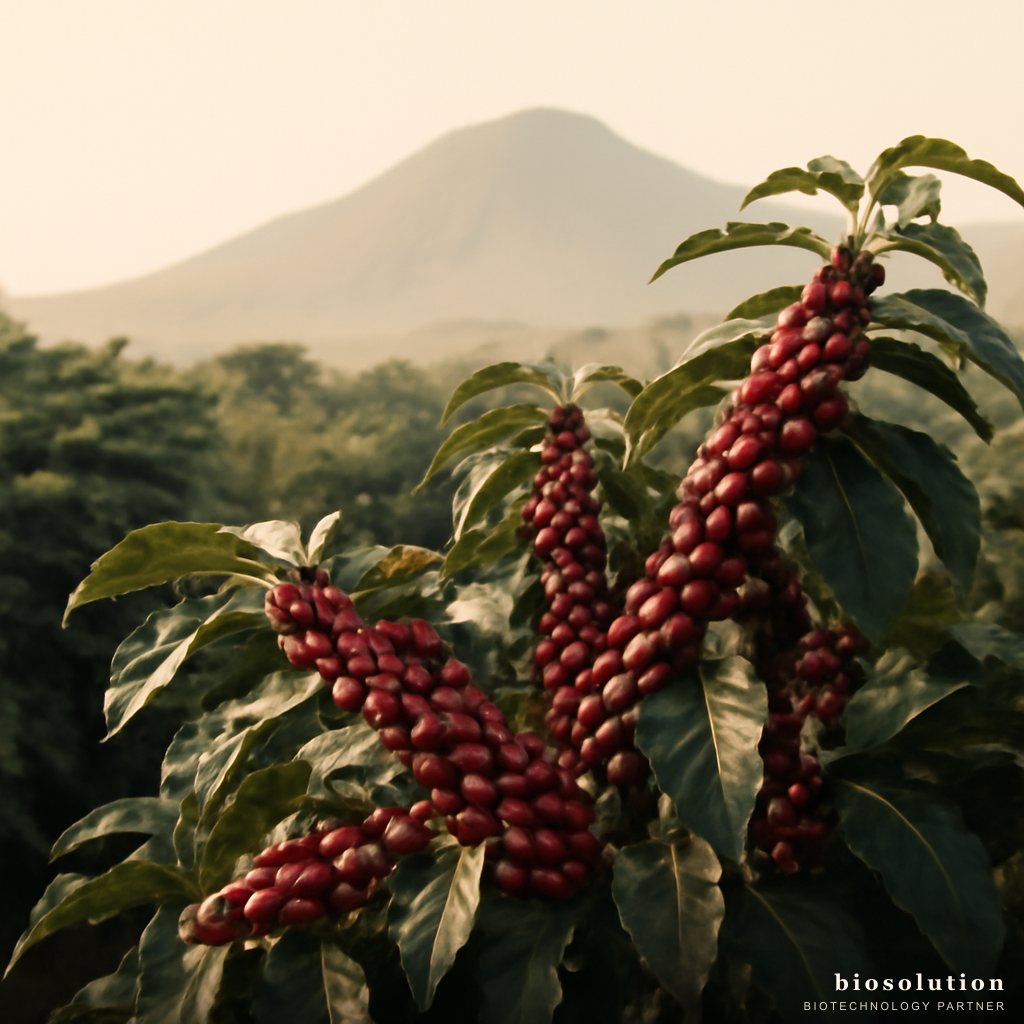
Biofertilizer for coffee is an environmentally friendly solution that can increase the yield of specialty coffee plantations. By utilizing superior microbes such as Rhizobium sp., Bacillus subtilis, and Trichoderma sp., liquid biofertilizer works synergistically to improve soil fertility and nutrient availability. However, without proper application techniques, the maximum benefits of biofertilizer will not be achieved. This article discusses 7 common mistakes when using biofertilizer so that your coffee plantation becomes productive and sustainable.
1. Ignoring Microbial Quality and Density
One of the most fatal mistakes is using biofertilizer with insufficient microbial counts. The minimum effective standard is 10⁸ CFU/ml per strain. Many cheap products do not list density or use dead strains. Make sure to choose a product with a complete consortium such as the 5-in-1 Liquid Biofertilizer Formula containing Rhizobium sp. (N₂ fixer), Bacillus subtilis (phosphate solubilizer), Azospirillum sp., Pseudomonas fluorescens (pathogen antagonist), and Trichoderma sp. (biocontrol). A density of 10⁸ CFU/ml ensures optimal activity in the coffee rhizosphere.
Why is Density Important?
Microbes must compete with native soil microorganisms. If the concentration is low, they lose and have no effect. Therefore, application at a dose of 5–10 ml per liter of water every 10–14 days is highly recommended. Do not reduce the dose to save money – it will be wasted.
2. Wrong Application Time
Farmers often spray or drench biofertilizer during the midday heat. In fact, UV light and high temperatures (>40°C) can kill bacteria within minutes. The best time is in the morning before 10 AM or in the afternoon after 4 PM, when soil temperature is cooler and humidity is still high. Bacillus subtilis and Pseudomonas fluorescens are very sensitive to UV radiation. Applying at the right time increases viability by up to 70%.
3. Not Paying Attention to Soil Conditions
Biofertilizer works optimally in soil with pH 5.5–7.0 and adequate moisture. Acidic soil (pH <5) inhibits the growth of Rhizobium and Azospirillum. Before application, apply lime if the pH is too low. Additionally, dry soil makes microbes dormant. Ensure the soil is moist, for example after rain or light irrigation. Do not apply when the soil is waterlogged because low oxygen also disturbs aerobic bacteria.
4. Mixing Carelessly with Chemical Fertilizers
Many farmers mix biofertilizer directly with urea or NPK in one container. In fact, high-dose chemical fertilizers are hygroscopic and can kill microbes due to osmotic pressure. Safe method: apply biofertilizer separately, for example 2–3 days after chemical fertilizer. Or, use a separate drenching system. Products like the 5-in-1 Liquid Biofertilizer Formula are formulated to reduce chemical fertilizer needs by up to 50% – not to be mixed directly. Learn more about Granular Biofertilizer Formula for Large Areas for large-scale application.
5. Inconsistent Application Frequency
Microbes need time to build populations in the rhizosphere. Applying once and then stopping will not have long-term effects. The ideal frequency is every 10–14 days, 3–5 times per growing season. For coffee, application starts at the beginning of the rainy season (flower formation) and is repeated during the fruit filling phase. This consistency ensures stable colonization of Trichoderma and Bacillus, thereby suppressing pathogens such as Fusarium and Pythium.
6. Not Combining with Organic Matter
Biofertilizer is not a substitute for organic matter, but synergistic. Trichoderma sp. is a decomposer that requires organic substrate to thrive. If the soil is poor in organic matter, add compost or mature manure before applying biofertilizer. This combination increases the availability of P and K nutrients and improves soil structure. Research from FAO shows that integrating biofertilizer and organic matter can increase coffee yields by 20–30%.
7. Improper Product Storage
Microbes are living organisms. Storing biofertilizer in a hot place or exposed to direct sunlight drastically reduces viability. Store in a cool place (temperature 15–25°C) and away from light. Do not leave the bottle open for long. Products with a consortium like the 5-in-1 Liquid Biofertilizer Formula have a shelf life of up to 1 year if stored properly. Check the expiration date and avoid buying old stock.
Conclusion
Biofertilizer for coffee is a long-term investment for soil fertility and fruit quality. By avoiding the 7 mistakes above, you can maximize the role of Rhizobium, Bacillus, Azospirillum, Pseudomonas, and Trichoderma in increasing yield. Remember: timely application, accurate dosage, and proper storage are key. For further consultation or product ordering, contact us via WhatsApp. Get a special guide for your specialty coffee plantation.
FAQ
1. Can biofertilizer completely replace chemical fertilizers?
Not completely, but it can reduce chemical fertilizer use by up to 50% without reducing yield. Biofertilizer provides nutrients gradually and improves soil, but in very nutrient-poor soils, a combination with low-dose chemical fertilizers is still recommended.
2. How long does it take to see the effects of biofertilizer on coffee plants?
Improved root growth is usually visible within 2–3 weeks, while increased harvest yields are only seen in the next harvest season. Consistent application for 1–2 growing seasons is needed for optimal results.
3. Can biofertilizer be mixed with chemical pesticides?
It is best not to mix directly because pesticides can kill microbes. Apply with a minimum interval of 3–5 days. For pest control, use botanical pesticides or compatible biopesticides.
4. Is biofertilizer safe for the environment?
Very safe. The microbes used are natural non-pathogenic isolates, leave no harmful residues, and actually improve soil biodiversity. Products like the 5-in-1 Liquid Biofertilizer Formula have been tested safe for humans, animals, and the environment.
5. Where can I buy biofertilizer for coffee?
Products are available at Biosolution partner agricultural stores or directly via WhatsApp. We deliver throughout Indonesia. Visit the product page 5-in-1 Liquid Biofertilizer Formula for more information.