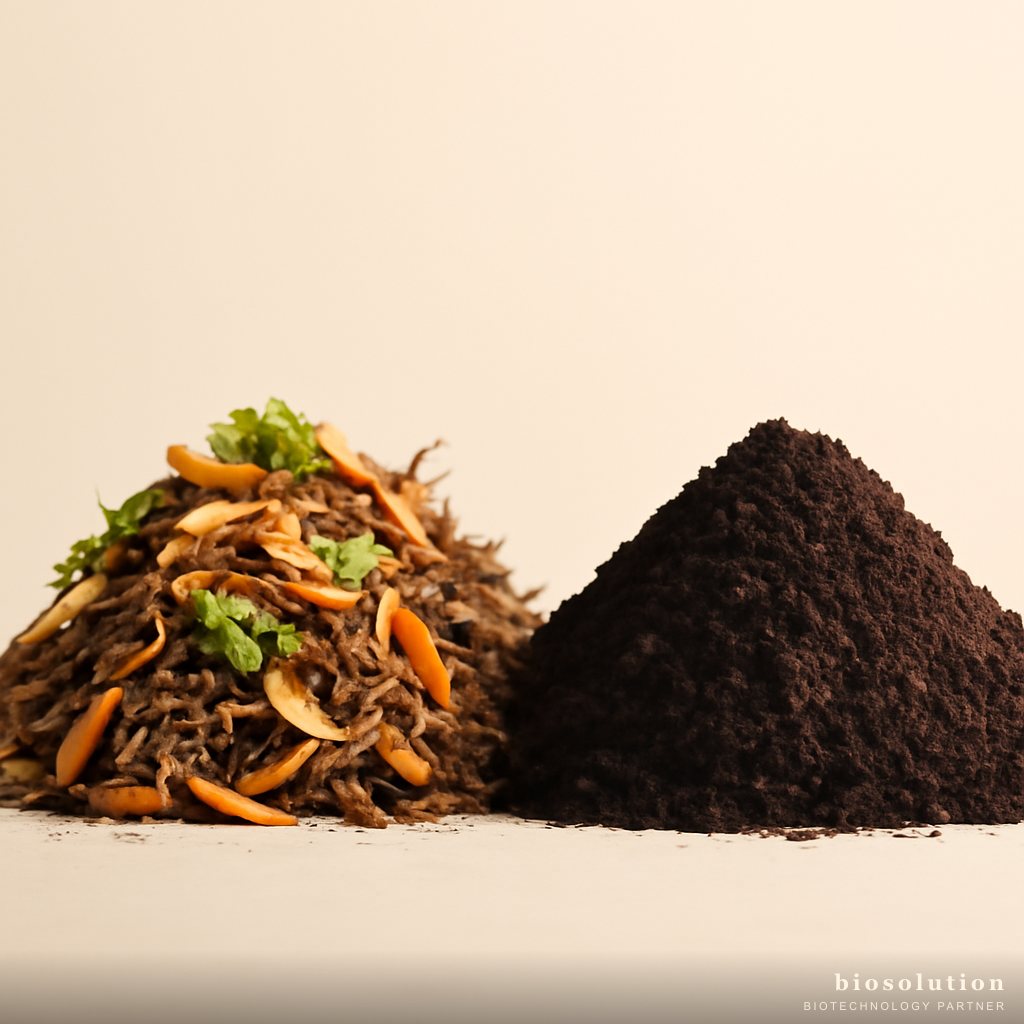
Biofertilizer for Corn: The Right Solution to Boost Land Productivity
Productivity of hybrid corn in Indonesia is often hindered by soil degradation, pathogen attacks, and dependence on expensive chemical fertilizers. This is where the role of biofertilizer for corn becomes crucial. Biofertilizers contain beneficial microbes that can provide nutrients, stimulate root growth, and suppress diseases. By choosing the right biofertilizer, farmers can increase yields by 20–30% while reducing chemical fertilizer use by up to 50%. This article will guide you in selecting the best liquid biofertilizer based on scientific criteria, certification, and recommended products.
Why Biofertilizer is Important for Hybrid Corn?
Hybrid corn has high yield potential but also requires intensive nutrition. Unfortunately, most agricultural land in Indonesia has experienced decreased fertility due to excessive chemical fertilizer use. Biofertilizers come as a solution to improve soil health biologically. The microbes inside, such as Rhizobium sp., Azospirillum sp., and Bacillus subtilis, work synergistically to provide nitrogen, phosphorus, and growth hormones. As a result, corn plants are more vigorous, roots are longer, and cobs are fuller. Moreover, biofertilizers also reduce greenhouse gas emissions from chemical fertilizers and increase fertilization efficiency.
Criteria for Choosing Quality Biofertilizer for Corn
Not all biofertilizers are the same. Here are criteria to consider before purchasing:
Proper Microbial Content
Biofertilizer for corn should contain associative nitrogen-fixing bacteria (such as Azospirillum sp.), phosphate solubilizers (Bacillus subtilis), and biocontrol agents (Trichoderma sp.). A consortium of 3–5 strains is more effective than a single strain. Ensure the product lists the strain types and colony count (CFU/ml) of at least 10⁸ CFU/ml per strain.
Certification and Legality
Choose products registered with the Indonesian Ministry of Agriculture. Certified products guarantee quality, safety, and effectiveness. Avoid products without registration numbers as they may be fake or unstable.
Packaging and Shelf Life
Liquid biofertilizers should be packaged in light-proof bottles and stored in a cool place. Shelf life is usually 6–12 months. Check the production date and do not use products that have clumped or smell bad.
Clear Dosage and Application Method
Quality products provide clear dosage guidelines, e.g., 5–10 ml per liter of water with application frequency every 10–14 days. Application can be done by drenching the root zone or spraying the soil.
Mechanism of Biofertilizer in Increasing Corn Productivity
Biofertilizers work through several mechanisms simultaneously:
- Nitrogen Fixation: Rhizobium sp. and Azospirillum sp. fix free nitrogen from the air and convert it into ammonia that plants can absorb. In corn, Azospirillum lives around the roots and contributes up to 30% of N needs.
- Phosphate Solubilization: Bacillus subtilis and Pseudomonas fluorescens produce organic acids that dissolve bound phosphate in the soil, making P available to plants.
- Phytohormone Production: PGPR (Plant Growth Promoting Rhizobacteria) microbes produce IAA, gibberellins, and cytokinins that stimulate lateral root and root hair growth, enhancing nutrient and water uptake.
- Pathogen Biocontrol: Trichoderma sp. and Pseudomonas fluorescens produce antimicrobial compounds and siderophores that inhibit soil-borne pathogens like Fusarium and Pythium.
Product Recommendation: Biosolution's 5-in-1 Liquid Biofertilizer Formula
One of the top products meeting all criteria is Biosolution's 5-in-1 Liquid Biofertilizer Formula. This product contains a consortium of 5 superior microbial strains:
- Rhizobium sp. (symbiotic N₂ fixer)
- Bacillus subtilis (phosphate solubilizer and PGPR)
- Azospirillum sp. (associative N₂ fixer)
- Pseudomonas fluorescens (pathogen antagonist)
- Trichoderma sp. (biocontrol and decomposer)
Each strain has a minimum concentration of 10⁸ CFU/ml. With regular application every 10–14 days (3–5 times per season), farmers can reduce chemical fertilizer use by up to 50% and increase corn yields by 20–30%. This product is applied by drenching the root zone or spraying the soil in the morning or evening.
For more detailed usage information, visit the farming solutions page from Biosolution. You can also read related articles on benefits of biofertilizers for food crops.
Effective Application Method of Biofertilizer on Corn
For optimal results, follow these steps:
- Preparation: Mix 5–10 ml of biofertilizer per liter of water. Stir well.
- Application Time: Apply in the morning before 10 AM or in the afternoon after 4 PM to avoid UV rays that damage microbes.
- Method: Pour the solution onto the root zone (drenching) or spray onto the soil surface around the stem. Avoid spraying on leaves as it is ineffective.
- Frequency: Repeat every 10–14 days, starting when plants are 7–10 days after planting. Total 3–5 applications per season.
- Combination with Chemical Fertilizers: Biofertilizers can be combined with low-dose chemical fertilizers. Reduce chemical fertilizer dosage by up to 50% from standard recommendations.
Case Study: Increased Corn Yield with Biofertilizer
Research on farmer fields in East Java showed that application of 5-in-1 biofertilizer on hybrid corn increased yield from 8.2 tons/ha to 10.5 tons/ha (a 28% increase). Additionally, chemical fertilizer use was reduced by 40% without compromising grain quality. Farmers also reported plants were more drought-tolerant and wilt disease attacks were significantly reduced. Similar results were reported by FAO in their biofertilizer guide for cereal crops.
Conclusion
Biofertilizer for corn is a long-term investment for soil fertility and land productivity. By choosing products containing superior microbial consortia, certified, and applied correctly, farmers can achieve higher yields while protecting the environment. Biosolution's 5-in-1 Liquid Biofertilizer Formula offers a complete solution with 5 active microbial strains. For further consultation, contact the Biosolution team via WhatsApp.
FAQ
Is biofertilizer safe for soil and plants?
Yes, biofertilizers are made from natural microbes that do not leave harmful residues. On the contrary, biofertilizers improve soil structure, increase beneficial microbial populations, and reduce pollution from chemical fertilizers. Ensure the product is registered with the Ministry of Agriculture to guarantee safety.
How many times should biofertilizer be applied in one corn growing season?
It is recommended to apply 3–5 times per growing season, starting when plants are 7–10 days after planting, with intervals of 10–14 days. The first application is during the early vegetative phase to stimulate root growth.
Can biofertilizer be mixed with chemical pesticides?
It is best not to mix directly with chemical pesticides, especially fungicides and bactericides, as they can kill microbes. If necessary, apply biofertilizer first, then chemical pesticides 3–5 days later.
What is the difference between biofertilizer and organic fertilizer?
Organic fertilizer contains organic matter as a nutrient source, while biofertilizer contains living microbes that help provide nutrients and protect plants. Both can be used together for optimal results.
How to store liquid biofertilizer to keep it effective?
Store in a cool place (15–25°C) away from direct sunlight. Tightly close the bottle after use. Do not freeze. Shelf life is usually 6–12 months from production.