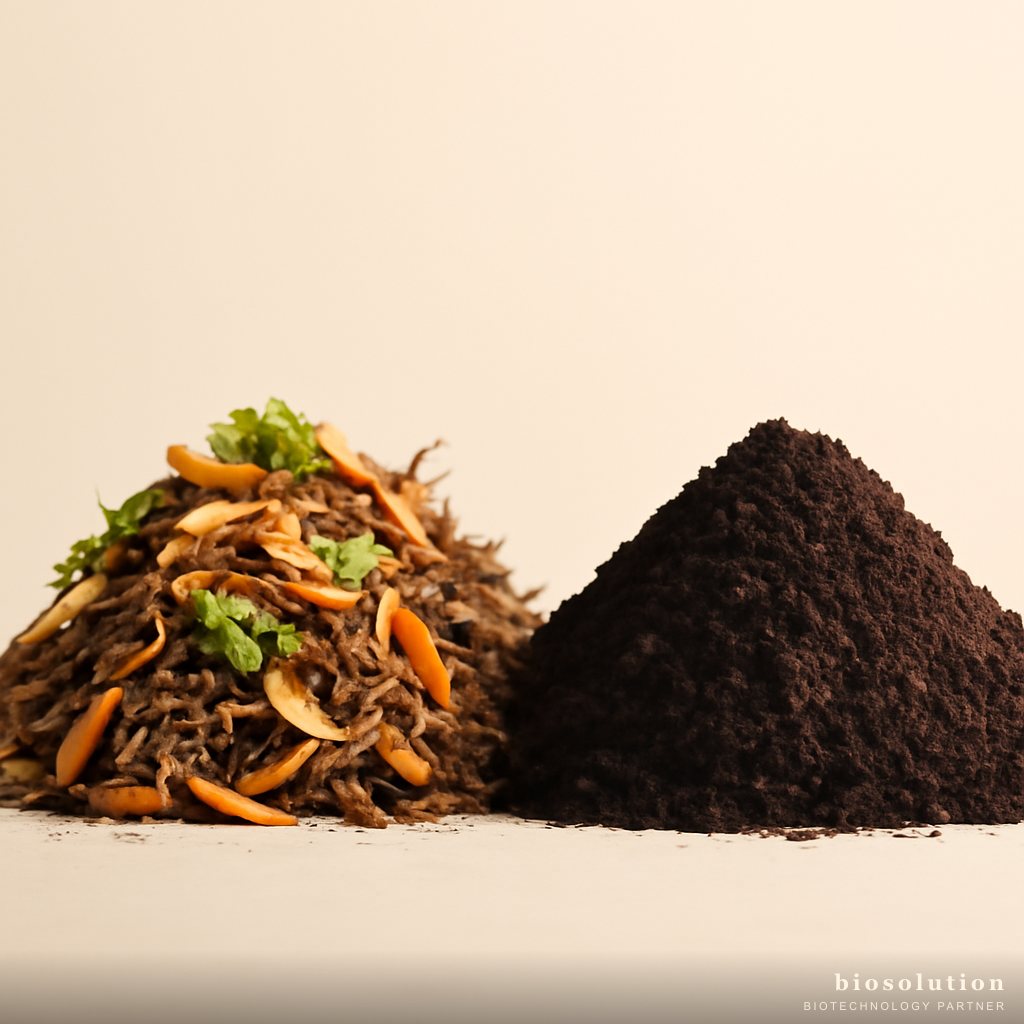
Biofertilizer for Shallots: The Secret to Large & Long-Lasting Bulbs
Have you ever imagined harvesting shallots with uniform, large bulbs that can last for months in storage? That's not a dream, but a real result of applying the right biofertilizer for shallots. In Brebes, the national shallot center, farmers are shifting to microbe-based solutions to improve bulb quality while maintaining soil fertility. This article will thoroughly explain how biofertilizers work, the role of microbes in regenerative agriculture, and recommended products from Biosolution for the bulbing phase.
Why is Biofertilizer Important for Shallots?
Shallots (Allium cepa var. aggregatum) are plants that require large amounts of nutrients, especially phosphorus and potassium, for bulb formation. However, continuous use of chemical fertilizers has led to soil degradation and pest resistance. This is where the role of biofertilizers becomes crucial. Biofertilizers contain beneficial microorganisms that help dissolve phosphorus, fix nitrogen, and produce natural growth hormones. As a result, roots are healthier, nutrient uptake is optimal, and bulbs form perfectly.
Data from the Ministry of Agriculture shows that using biofertilizers on shallots can increase yields by up to 20% and reduce chemical fertilizer use by up to 30%. Additionally, biofertilizers improve soil structure and enhance soil microbial activity, which is important for sustainable agriculture.
The Role of Microbes in Regenerative Agriculture for Shallots
Regenerative agriculture aims to restore soil health through natural practices. Soil microbes such as phosphate-solubilizing bacteria, Azotobacter, and Pseudomonas act as biofertilizers and biostimulants. In shallots, a consortium of PGPR (Plant Growth Promoting Rhizobacteria) can produce hormones like auxins and gibberellins that stimulate root growth and bulb cell division. Moreover, microbes produce enzymes that increase the availability of micronutrients like zinc and iron, essential for bulb quality.
In the context of regenerative agriculture, biofertilizers not only provide nutrients but also build a mutualistic symbiosis between plants and microbes. Soil rich in microbes will have better aggregation, high water retention, and resistance to soil-borne pathogens. This aligns with the principles of regenerative agriculture that prioritize a living soil ecosystem.
Bulb Quality POC Formula: The Right Solution for the Bulbing Phase
Biosolution presents the Bulb Quality POC Formula, a liquid biofertilizer specifically formulated for the bulbing phase of shallots. This product contains three superior components:
- PGPR Consortium: Triggers growth hormone production and increases micronutrient availability.
- Seaweed Extract: A natural source of cytokinins and micronutrients like boron and manganese, important for bulb formation.
- Humic & Fulvic Acids: Act as nutrient carriers and root stimulants, making nutrients easier to absorb.
This combination works synergistically to stimulate uniform bulbing, increase bulb weight, and reduce flower or fruit drop. This product also helps improve the shelf life of the harvest, so bulbs do not rot quickly during storage.
Proper Application Method
For optimal results, apply the Bulb Quality POC Formula at a dose of 3–5 ml per liter of water. Spray onto all parts of the plant (foliar) or drench the root zone every 7–10 days. The best time is in the morning before 10 AM, when stomata are still open and absorption is maximal. Start application when the plant enters the bulb formation phase (around 30-40 days after planting) until just before harvest.
Real Benefits for Shallot Farmers
Based on field trials, the use of the Bulb Quality POC Formula has shown significant results:
- Increase in yield per plant by 15–25%
- Reduction in flower/fruit drop by up to 30%
- More uniform and firm bulbs
- Longer shelf life, reducing post-harvest losses
Furthermore, because it is based on organic materials, this product is safe for organic farming certification and leaves no harmful residues. Farmers in Brebes who have tried it report that their bulbs are more resistant to pest attacks like armyworms and fusarium wilt disease.
Comparison with Conventional Chemical Fertilizers
Chemical fertilizers indeed provide quick results, but their long-term effects damage the soil. In contrast, biofertilizers work gradually but sustainably. The following table compares the two:
| Aspect | Chemical Fertilizer | Biofertilizer |
|---|---|---|
| Absorption speed | Fast | Moderate (gradual) |
| Soil impact | Degradation | Structure improvement |
| Bulb durability | Low | High |
| Long-term cost | Expensive | More economical |
With biofertilizers, farmers do not need to worry about soil becoming hard or acidic. Instead, the soil becomes loose and naturally fertile.
Testimonials from Brebes Farmers
Mr. Slamet, a shallot farmer in Wanasari District, Brebes, expressed satisfaction after using the Bulb Quality POC Formula. "Previously, my bulbs were many small and easily rotted. After using this biofertilizer, the bulb size is larger and can last up to 3 months in storage. Fertilizer costs also decreased because I don't need much chemical fertilizer," he said. Similar experiences were shared by Mrs. Sari from Bulakamba District, who mentioned that the plants are greener and rarely attacked by diseases.
Tips for Choosing the Right Biofertilizer
Not all biofertilizers are suitable for shallots. Consider the following:
- Microbial content: Ensure it contains PGPR and phosphate-solubilizing bacteria.
- Organic matter: Choose one that contains humic acids or seaweed extract.
- Legality: Look for products registered with the Ministry of Agriculture.
- Packaging: Choose practical packaging that is easy to dissolve.
Biosolution guarantees its products have been tested and meet quality standards. You can see the 5-in-1 Liquid Biofertilizer Formula as an alternative for the vegetative phase.
Conclusion
Biofertilizer for shallots, especially those specifically formulated for the bulbing phase, offers a smart solution for farmers who want to improve bulb quality and shelf life. By relying on beneficial microbes, agriculture becomes more environmentally friendly and sustainable. The Bulb Quality POC Formula from Biosolution is the right choice because it contains a consortium of PGPR, seaweed extract, and humic acids that work synergistically. Don't hesitate to switch to regenerative agriculture that is healthier and more profitable.
Want direct consultation? Contact the Biosolution team via WhatsApp to get product recommendations suitable for your land conditions. Or, visit the Bulb Quality POC Formula product page for more information.