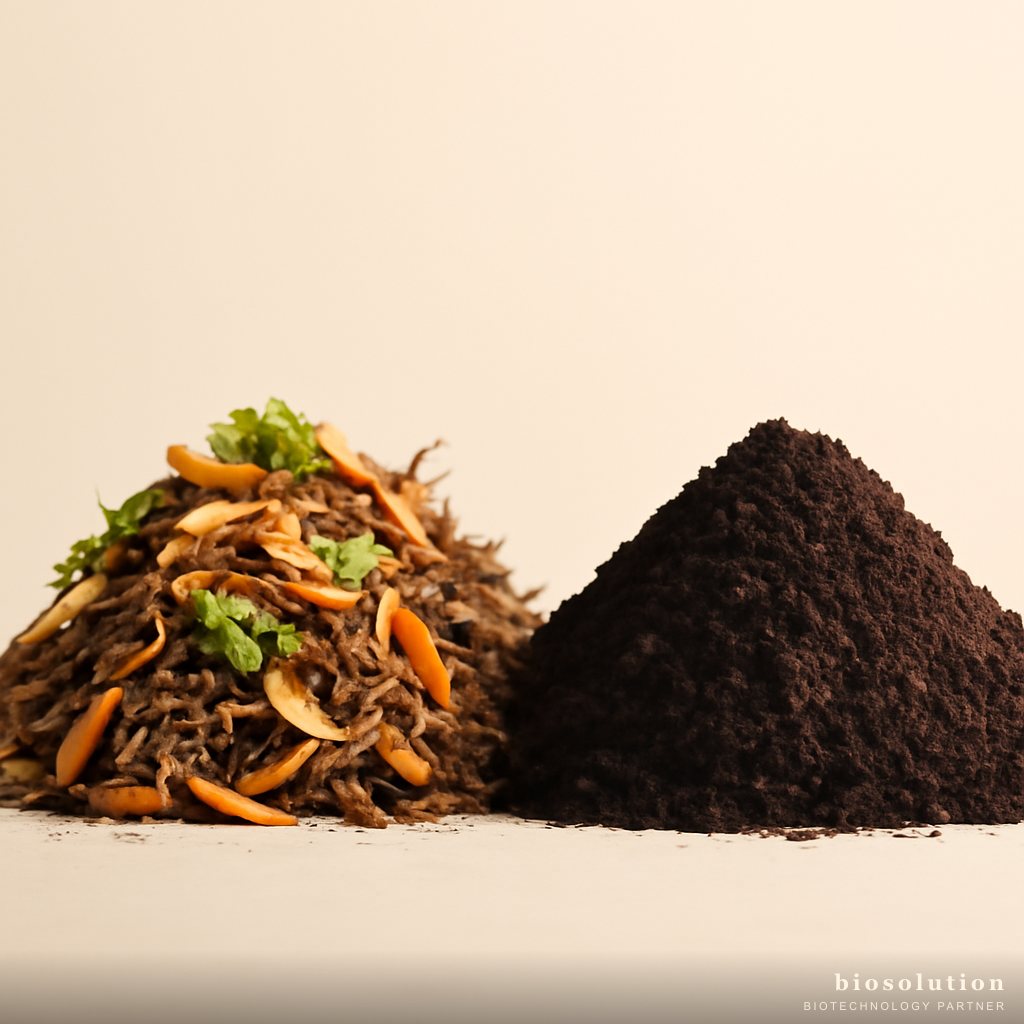
Biofertilizer for Tubers: Case Study of Javanese Farmers Proves POC Formula for Tuber Quality Increases Weight of Potatoes, Sweet Potatoes, Shallots
Have you ever imagined tubers like potatoes, sweet potatoes, or shallots growing larger, denser, and more uniform without relying on excessive chemical fertilizers? Now, that is no longer a dream. With increasing awareness of sustainable agriculture, biofertilizer for tubers has become a proven effective solution. Biosolution, an Indonesian agricultural biotechnology company, presents the POC Formula for Tuber Quality specifically designed for the tuberization phase. This article presents real case studies from farmers in Java who successfully increased the productivity and quality of their tubers using this product.
Why Does the Tuberization Phase Determine Tuber Quality?
The tuberization phase is a critical period when tuber crops allocate energy for tuber formation and enlargement. During this phase, the availability of growth hormones, macro and micronutrients, and environmental conditions greatly influence the final yield. Unfortunately, many farmers still rely on synthetic chemical fertilizers, which tend to be expensive and less environmentally friendly. In fact, using biofertilizer for tubers can provide a more natural and sustainable solution.
The Role of PGPR in the Tuberization Phase
Plant Growth-Promoting Rhizobacteria (PGPR) are beneficial bacteria that live around plant roots. The PGPR consortium in the POC Formula for Tuber Quality works by triggering the production of natural growth hormones such as auxins, gibberellins, and cytokinins. These hormones stimulate tuber cell division, accelerate enlargement, and enhance nutrient uptake from the soil. Thus, plants can utilize available nutrients more efficiently.
Seaweed Extract as a Source of Cytokinins
Seaweed extract contains natural cytokinins that play a role in cell division and delaying senescence. During the tuberization phase, cytokinins help extend the tuber filling period, allowing tubers to reach maximum size. Additionally, seaweed extract is rich in micronutrients such as zinc, boron, and manganese, which are essential for plant metabolism.
Humic and Fulvic Acids: Nutrient Carriers and Root Stimulants
Humic and fulvic acids are organic compounds that can bind nutrients in the soil and release them slowly according to plant needs. They also stimulate the growth of lateral roots and root hairs, thereby increasing the absorption surface area. With a better root system, plants can absorb water and nutrients more optimally, supporting the formation of large and dense tubers.
Case Study: Potato Farmers in the Java Highlands
Mr. Ahmad, a potato farmer in the West Java highlands, had long complained about uneven tuber size and hollow tubers. He used high doses of NPK fertilizer but the results were unsatisfactory. On the recommendation of an agricultural extension officer, he tried biofertilizer for tubers from Biosolution, namely the POC Formula for Tuber Quality.
Application Method
Mr. Ahmad applied the POC Formula for Tuber Quality by foliar spray in the morning before 10 AM, at a dose of 4 ml per liter of water. He sprayed the solution every 7 days, starting when the plants were 30 days after planting (DAP) until 2 weeks before harvest. A total of 6 applications during one growing season.
Real Results
After harvest, Mr. Ahmad recorded a 20% increase in tuber weight per plant compared to the previous season. In addition, tuber size was more uniform, texture was dense, and there were no hollow tubers. He also saved up to 30% on chemical fertilizer costs because the use of PGPR and humic acids helped fertilizer efficiency. "I didn't expect such good results. My potatoes are heavier and denser, and their market price has increased," said Mr. Ahmad.
Case Study: Sweet Potato Farmers in Central Java
Mrs. Sari, a sweet potato farmer in Central Java, faced problems with small and less sweet tubers. She switched to biofertilizer for tubers after seeing her neighbor's results. She used the POC Formula for Tuber Quality with a drench method, pouring a solution of 5 ml per liter of water onto the root zone every 10 days.
Real Results
In one growing season, Mrs. Sari achieved a 25% increase in tuber weight per plant. The sweet potato tubers produced were larger, smoother, and had a sweeter taste due to increased natural sugar content. She also reported that the tubers had a longer shelf life, up to 2 weeks longer than usual. "My sweet potatoes are now in high demand by traders because of their good quality. I am more confident using biofertilizer," she said.
Case Study: Shallot Farmers in East Java
Shallots are a high-value commodity that requires special attention during the tuberization phase. Mr. Budi, a shallot farmer in East Java, often experienced flower drop and small tubers. After using the POC Formula for Tuber Quality, he saw significant changes.
Application Method
Mr. Budi sprayed a solution of 3 ml per liter of water every 7 days in the morning, starting at 25 DAP until 1 week before harvest. He also combined it with adequate irrigation.
Real Results
Flower drop decreased by up to 30%, and shallot bulbs grew larger and denser. Bulb weight per clump increased by 18%. Additionally, the bulb color was redder and shinier, increasing market value. "My shallots are now heavier and not easily rotten. I am very satisfied," said Mr. Budi.
Mechanism of Action of the POC Formula for Tuber Quality in the Tuberization Phase
The POC Formula for Tuber Quality works synergistically to optimize the tuberization phase. Here are the detailed mechanisms:
- PGPR consortium triggers growth hormones: PGPR produces phytohormones such as IAA (auxin), gibberellins, and cytokinins that stimulate tuber cell division and enlargement.
- Seaweed extract provides cytokinins and micronutrients: Cytokinins slow down leaf senescence, so photosynthesis lasts longer. Micronutrients like Zn and B are essential for carbohydrate synthesis and translocation to tubers.
- Humic and fulvic acids increase nutrient availability: They chelate metal ions such as Fe, Zn, Cu, making them more easily absorbed by roots. They also increase soil cation exchange capacity, reducing nutrient leaching.
- Foliar or drench application ensures rapid absorption: With the spray method, nutrients are directly absorbed through leaf stomata, while drenching improves the rhizosphere condition.
As a result, tuber weight increases by 15-25%, flower/fruit drop decreases by 30%, and harvest quality (size, texture, shelf life) improves. This product is also safe for organic certification because it is made from natural ingredients.
Advantages of Biofertilizer for Tubers Compared to Chemical Fertilizers
Synthetic chemical fertilizers do provide quick effects, but excessive use can damage soil structure, kill beneficial microorganisms, and cause environmental pollution. In contrast, biofertilizer for tubers like the POC Formula for Tuber Quality offers advantages:
- Environmentally friendly: Leaves no harmful chemical residues.
- Improves soil health: PGPR and humic acids increase soil microbial activity.
- Fertilizer efficiency: Reduces the need for chemical fertilizers by up to 30%.
- Improves yield quality: Tubers are larger, denser, uniform, and have longer shelf life.
- Supports sustainable agriculture: Suitable for organic farming programs and Good Agricultural Practices (GAP).
Proper Application Method for Maximum Results
For optimal results, follow these application guidelines:
- Dosage: 3–5 ml per liter of water (adjust according to plant conditions).
- Method: Spray evenly over all parts of the plant (foliar spray) or drench the root zone (soil drench).
- Frequency: Every 7–10 days during the tuberization phase.
- Time: Morning before 10 AM or afternoon after 4 PM to avoid evaporation.
- Combination: Can be combined with organic base fertilizer for better results.
Avoid application during rain or intense heat to ensure maximum absorption.
Conclusion
Case studies of farmers in Java prove that biofertilizer for tubers from Biosolution, the POC Formula for Tuber Quality, can increase the weight of potatoes, sweet potatoes, and shallots by 15-25%, reduce flower drop, and improve harvest quality. With a content of PGPR consortium, seaweed extract, and humic acids, this product works naturally and is safe for the environment. If you want to experience similar results, do not hesitate to adopt this biofertilizer in your cultivation.
Interested in trying? Free consultation with our expert team via WhatsApp or see product details POC Formula for Tuber Quality for more information. Also get other tuber cultivation guides in related articles.
FAQ
1. What is biofertilizer for tubers? Biofertilizer for tubers is a product containing beneficial microorganisms (such as PGPR) and organic compounds that help tuber crops during the tuberization phase. This product increases nutrient availability, stimulates growth hormones, and improves soil structure, so tubers grow larger, denser, and of higher quality.
2. How does the POC Formula for Tuber Quality work? This formula works through three main components: a PGPR consortium triggers growth hormone production, seaweed extract provides cytokinins and micronutrients, and humic and fulvic acids enhance nutrient uptake. This combination accelerates tuber enlargement, reduces flower drop, and improves harvest quality.
3. Is this biofertilizer safe for plants and the environment? Yes, the POC Formula for Tuber Quality is made from natural ingredients (PGPR, seaweed extract, humic acids) and contains no harmful synthetic chemicals. This product is safe for plants, humans, and the environment, and is suitable for organic farming programs.
4. What is the recommended dosage for shallot plants? For shallots, the recommended dosage is 3–5 ml per liter of water, applied every 7–10 days during the tuberization phase. Application is done by foliar spray in the morning for optimal results.
5. Where can I buy the POC Formula for Tuber Quality? This product is available at Biosolution partner agricultural stores or can be ordered directly through the official website. You can also contact our team for consultation and ordering.