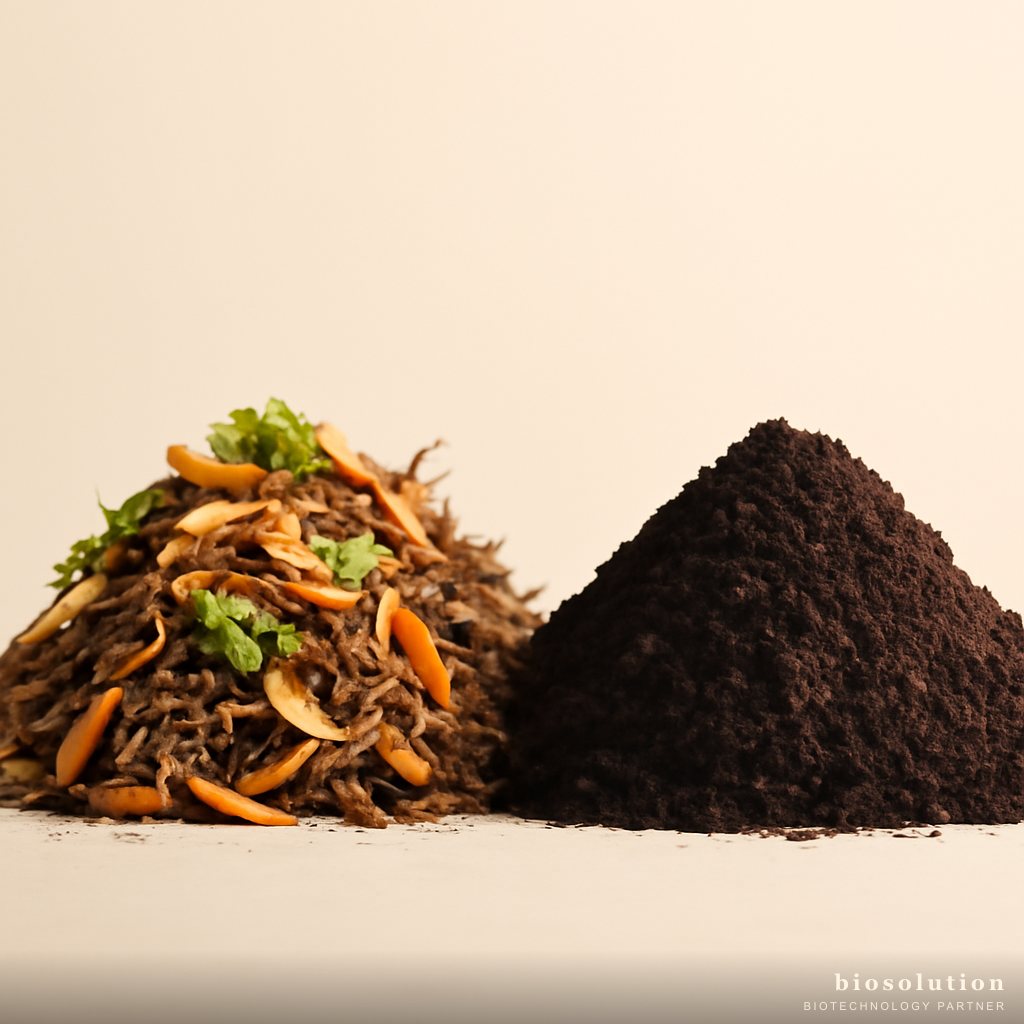
Biofertilizer for Tubers: Optimize the Tuber Initiation Phase of Potatoes, Sweet Potatoes, and Shallots with Microbial POC
Tuber crops such as potatoes, sweet potatoes, and shallots face unique challenges during the tuber initiation phase. In this phase, plants determine the size, weight, and quality of the tubers to be harvested. However, many farmers still rely on synthetic chemical fertilizers that can damage soil structure and reduce post-harvest shelf life. This is where biofertilizer for tubers plays a crucial role. By utilizing beneficial microorganisms, biofertilizers can naturally stimulate the tuber initiation process, improve nutrient uptake efficiency, and produce larger, denser tubers. This article will discuss in depth the role of biofertilizers in regenerative agriculture, specifically through Biosolution's Tuber Quality POC Formula.
Why Is the Tuber Initiation Phase Critical for Tuber Farmers?
The tuber initiation phase is the period when plants begin to allocate photosynthates (photosynthesis products) to underground storage organs, i.e., tubers. In potatoes, for example, this phase occurs around 30-45 days after planting and lasts until harvest. If this phase is disrupted—due to nutrient deficiency, water stress, or pathogen attack—tubers will be small, irregular in shape, and of reduced quality.
Factors Affecting the Tuber Initiation Phase
- Availability of macro and micronutrients: Phosphorus (P) and potassium (K) are crucial for tuber formation. However, micronutrients such as zinc (Zn) and boron (B) also play a role in carbohydrate transport.
- Hormonal balance: Cytokinins and auxins control cell division and tuber size. Cytokinin deficiency can inhibit tuber enlargement.
- Root health: Healthy, actively nutrient-absorbing roots are a prerequisite. Soil microbes such as PGPR (Plant Growth Promoting Rhizobacteria) help maintain root health and increase nutrient availability.
Unfortunately, conventional agricultural practices often overlook the biological aspects of soil. Continuous use of chemical fertilizers reduces beneficial microbial populations, making the soil 'dead' and increasing dependence on chemical inputs. This drives the need for a regenerative agriculture approach that restores the role of microbes through biofertilizers.
The Role of Microbes in Regenerative Agriculture
Regenerative agriculture aims to restore soil health, enhance biodiversity, and strengthen natural nutrient cycles. Soil microbes—especially bacteria and fungi—are unsung heroes that perform vital functions:
1. Phosphate Solubilization and Nitrogen Fixation
Phosphate-solubilizing bacteria such as Bacillus and Pseudomonas convert bound phosphate into forms available to plants. Nitrogen-fixing bacteria such as Azotobacter and Rhizobium provide nitrogen from the air. In the context of tubers, phosphate availability is very important because phosphorus plays a role in the formation of ATP (energy) needed for starch synthesis in tubers.
2. Production of Growth Hormones
PGPR such as Lactobacillus acidophilus and Bacillus subtilis produce phytohormones like auxin (IAA), cytokinins, and gibberellins. Cytokinins, for example, stimulate cell division in tubers, resulting in larger tubers. These hormones also reduce flower and fruit drop, ensuring the plant focuses on tuber filling.
3. Enhancing Plant Resistance
Beneficial microbes can induce systemic resistance (ISR) against soilborne pathogens such as Fusarium and Rhizoctonia. Thus, tubers are free from rot or wilt diseases, resulting in better harvest quality and longer shelf life.
4. Improving Soil Structure
Exopolysaccharides produced by bacteria help bind soil particles into stable aggregates. The soil becomes loose, well-aerated, and roots can grow optimally to absorb nutrients and water.
By integrating biofertilizers into the cultivation system, farmers not only get better yields but also improve long-term soil health. This is the essence of regenerative agriculture: sustainable productivity without harming the environment.
Tuber Quality POC Formula: A Biofertilizer Solution for Tubers
Biosolution presents the Tuber Quality POC Formula, a liquid organic fertilizer (POC) specifically formulated for the tuber initiation phase. This product contains three main components that work synergistically:
PGPR Consortium
A consortium of Lactobacillus acidophilus and Bacillus subtilis bacteria isolated from the rhizosphere of healthy plants. These PGPR trigger the production of natural growth hormones in plants, especially cytokinins that promote tuber enlargement. Additionally, these bacteria solubilize phosphate and provide micronutrients such as zinc and iron.
Seaweed Extract
Seaweed extract (Ascophyllum nodosum) is rich in natural cytokinins, auxins, and amino acids. Cytokinins from seaweed stimulate cell division in tubers, while auxins help transport carbohydrates to the tubers. The content of micronutrients such as potassium, magnesium, and boron also supports carbohydrate metabolism.
Humic and Fulvic Acids
Both act as nutrient carriers and root stimulants. Humic acid increases the soil's cation exchange capacity, making nutrients more available. Fulvic acid helps nutrients penetrate plant cells, accelerating the plant's response to nutrients. This combination ensures that applied nutrients are truly utilized by the plant.
Key Benefits of Tuber Quality POC Formula
- Stimulates uniform tuber initiation: Tubers in the same field will enter the tuber initiation phase simultaneously, resulting in uniform harvest.
- Increases yield per plant by 15–25%: Based on field trials, application of this POC significantly increases tuber weight.
- Reduces flower/fruit drop by up to 30%: Natural hormones keep flowers and fruits on the plant until harvest.
- Extends post-harvest shelf life: Tubers have thicker skin and optimal moisture content, so they do not rot quickly.
Easy Application Method
Tuber Quality POC Formula can be applied via foliar spray or drench, at a dose of 3–5 ml per liter of water. Application frequency is every 7–10 days, starting when the plant enters the tuber initiation phase. The best time is in the morning before 10 AM for optimal absorption and to avoid leaf burn.
Case Study: Improvement of Potato Tuber Quality with Microbial POC
A trial in a potato farmer's field in the highlands of West Java showed that application of Tuber Quality POC Formula (dose 4 ml/L, every 7 days) resulted in:
- Tuber weight per plant increased by 22% compared to control (standard chemical fertilizer).
- Larger average tuber diameter (5.2 cm vs 4.5 cm).
- Higher starch content (18% vs 15%), making tubers denser and less prone to becoming soggy when fried.
- Smoother tuber appearance without spots or cracks.
These results indicate that biofertilizers not only increase quantity but also tuber quality, leading to higher selling prices.
How to Integrate Biofertilizers into Tuber Cultivation Systems
For optimal results, farmers need to adopt a holistic approach. Here is a practical guide:
1. Land Preparation
Apply lime if soil pH is below 5.5. Add compost or manure to increase organic matter. Spread PGPR in POC formula a week before planting to colonize the rhizosphere.
2. Basal Fertilization
Use NPK fertilizer with low nitrogen (N) and high phosphorus (P) and potassium (K), e.g., NPK 15-15-15 at a dose of 200 kg/ha. Avoid excess N as it will trigger excessive vegetative growth and inhibit tuber initiation.
3. POC Application in Late Vegetative Phase
Start applying Tuber Quality POC Formula when the plant is 30-40 days old (depending on tuber type). Spray onto all plant parts, especially lower leaves near the soil. Repeat every 7-10 days until 2 weeks before harvest.
4. Other Maintenance
- Irrigation: Maintain soil moisture at 60-70% field capacity. Drought during tuber initiation causes small, hard tubers.
- Pest control: Use botanical pesticides if necessary, and avoid broad-spectrum chemical pesticides that can kill microbes.
- Weeding: Perform regular weeding to reduce nutrient competition.
Conclusion
Biofertilizer for tubers such as Biosolution's Tuber Quality POC Formula offers an effective and environmentally friendly solution to increase tuber productivity. By utilizing a consortium of PGPR, seaweed extract, and humic acid, this product stimulates the tuber initiation phase, increases tuber weight by 15-25%, and reduces flower/fruit drop. This approach aligns with the principles of regenerative agriculture, focusing not only on harvest yield but also on restoring soil health. For further consultation, contact the Biosolution team via WhatsApp or visit the product page Tuber Quality POC Formula.