Broad-Area Granular Biofertilizer: A Biological Solution for Large-Scale Plantations
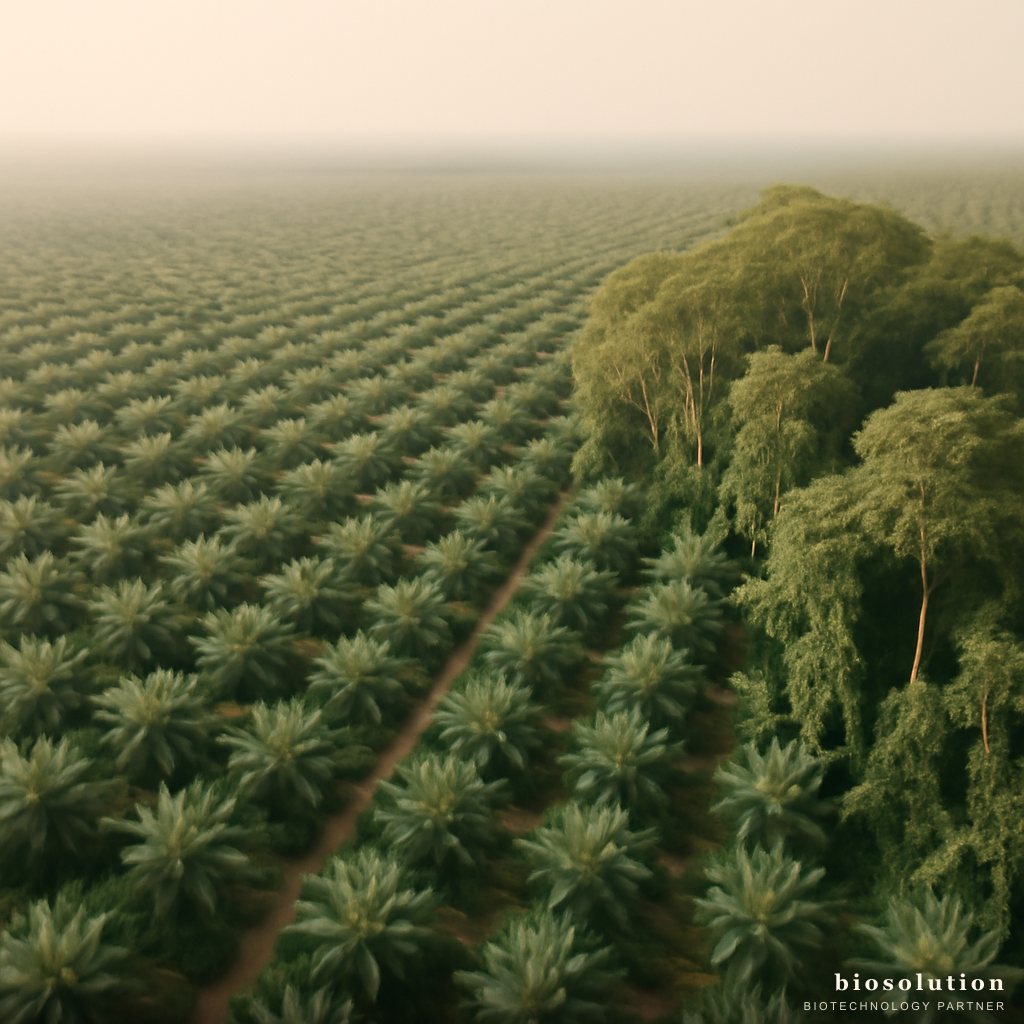
Oil palm, rubber, sugarcane, and coffee plantations in Indonesia face major challenges: stagnant land productivity due to soil degradation and dependence on chemical fertilizers. Broad-area granular biofertilizer emerges as the answer to the need for a practical, effective biofertilizer compatible with spreader machines. Unlike liquid biofertilizers requiring repeated applications and special equipment, this granular formula is designed to facilitate biological nutrient distribution across thousands of hectares. With five superior microbial strains such as Rhizobium sp., Bacillus subtilis, Azospirillum sp., Pseudomonas fluorescens, and Trichoderma sp., this product not only fertilizes the soil but also naturally improves the soil microbial ecosystem.
Why Granular Biofertilizer is Superior for Broad Areas?
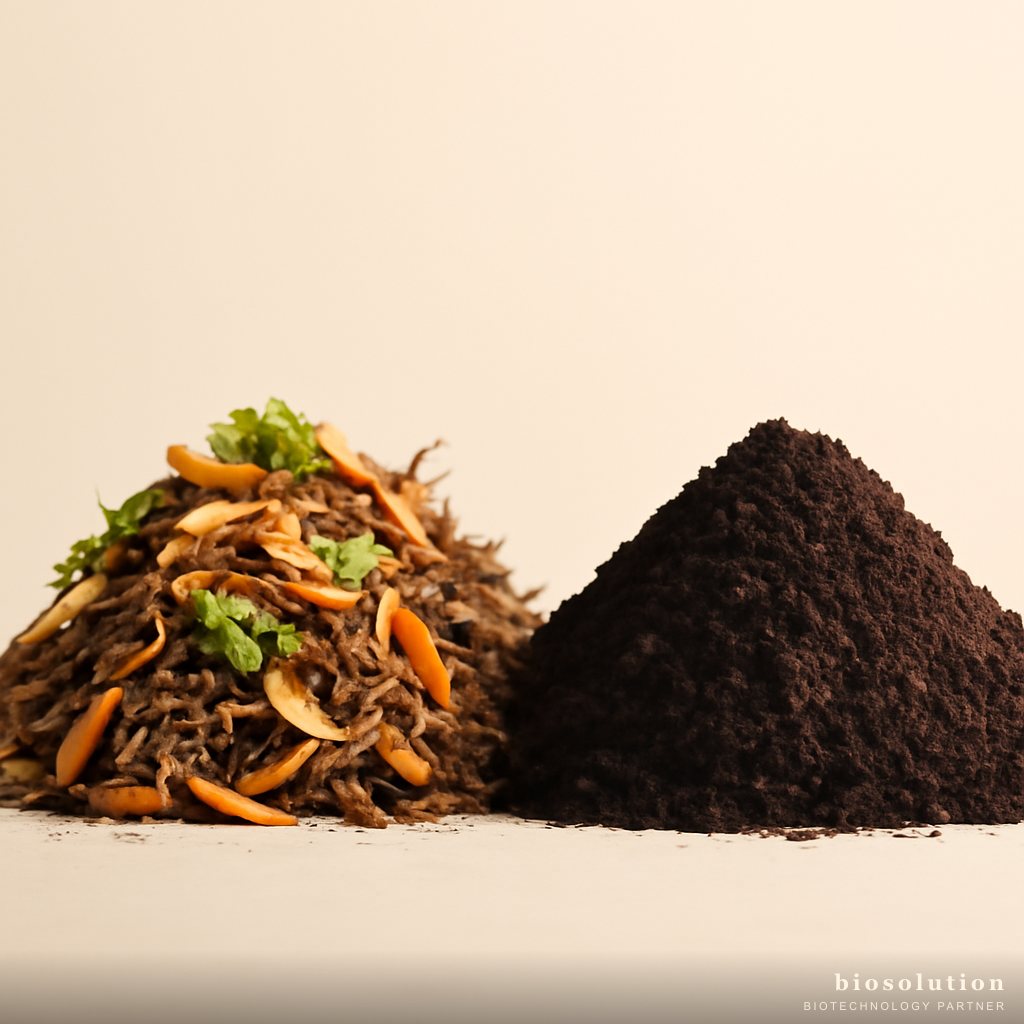
Granular biofertilizer has significant advantages over liquid or powder forms, especially for application on large plantation areas. The 2–4 mm granule size allows even distribution using a spreader machine without risk of clogging or wind drift. According to data from the Ministry of Agriculture, the application efficiency of granular biofertilizer can reach 95% higher than manual methods. Additionally, slow-release nutrients reduce application frequency to only 1–2 times per growing season, saving labor and fuel costs.
Biologically, the granules provide a stable microenvironment for microbes, protecting them from UV light and drought during storage. With a shelf life of up to 24 months at room temperature, this product is very practical for bulk stock. Compared to chemical fertilizers that dissolve quickly and are easily leached, granular biofertilizer works synergistically with plant roots, increasing nutrient uptake efficiency by up to 30% based on IRRI research.
Superior Microbial Composition in Granular Biofertilizer
This product contains five scientifically tested microbial strains to improve soil fertility and plant health:
Rhizobium sp. – Nitrogen Fixer for Legumes
Rhizobium sp. symbiotically associates with legume plant roots (beans, soybeans, lamtoro) to fix atmospheric nitrogen into ammonia usable by plants. In oil palm plantations often planted with legume cover crops, this bacterium is crucial for providing natural nitrogen.
Bacillus subtilis – Phosphate Solubilizer and Biocontrol
Bacillus subtilis produces phosphatase enzymes and organic acids that solubilize bound phosphate in the soil, making it available to plants. Additionally, this bacterium produces antimicrobial compounds that suppress soil-borne pathogens such as Fusarium and Rhizoctonia.
Azospirillum sp. – Associative Nitrogen Fixer
Unlike Rhizobium, Azospirillum sp. lives freely in the root zone (rhizosphere) and fixes nitrogen for various non-legume plants such as rice, corn, and sugarcane. This strain also produces phytohormones like auxin that stimulate root growth.
Pseudomonas fluorescens – Soil Pathogen Antagonist
Pseudomonas fluorescens produces siderophores that bind iron, thereby inhibiting pathogen growth. This bacterium is effective in controlling bacterial wilt and root rot diseases in plantation crops.
Trichoderma sp. – Soil Fungus Biocontrol
Trichoderma sp. is an antagonistic fungus that parasitizes pathogenic fungi such as Ganoderma in oil palm and Phytophthora in cocoa. This fungus also decomposes organic matter, increasing nutrient availability.
How to Apply Granular Biofertilizer on Large Plantations
Application of granular biofertilizer is very simple and suitable for large areas. Here are the technical guidelines:
Dosage and Frequency
The recommended dosage is 100–250 kg per hectare, depending on crop type and soil conditions. For perennial crops like oil palm and rubber, application is done 1–2 times per growing season, during soil preparation or early rainy season. For annual crops like sugarcane, once at planting is sufficient.
Application Method with Spreader Machine
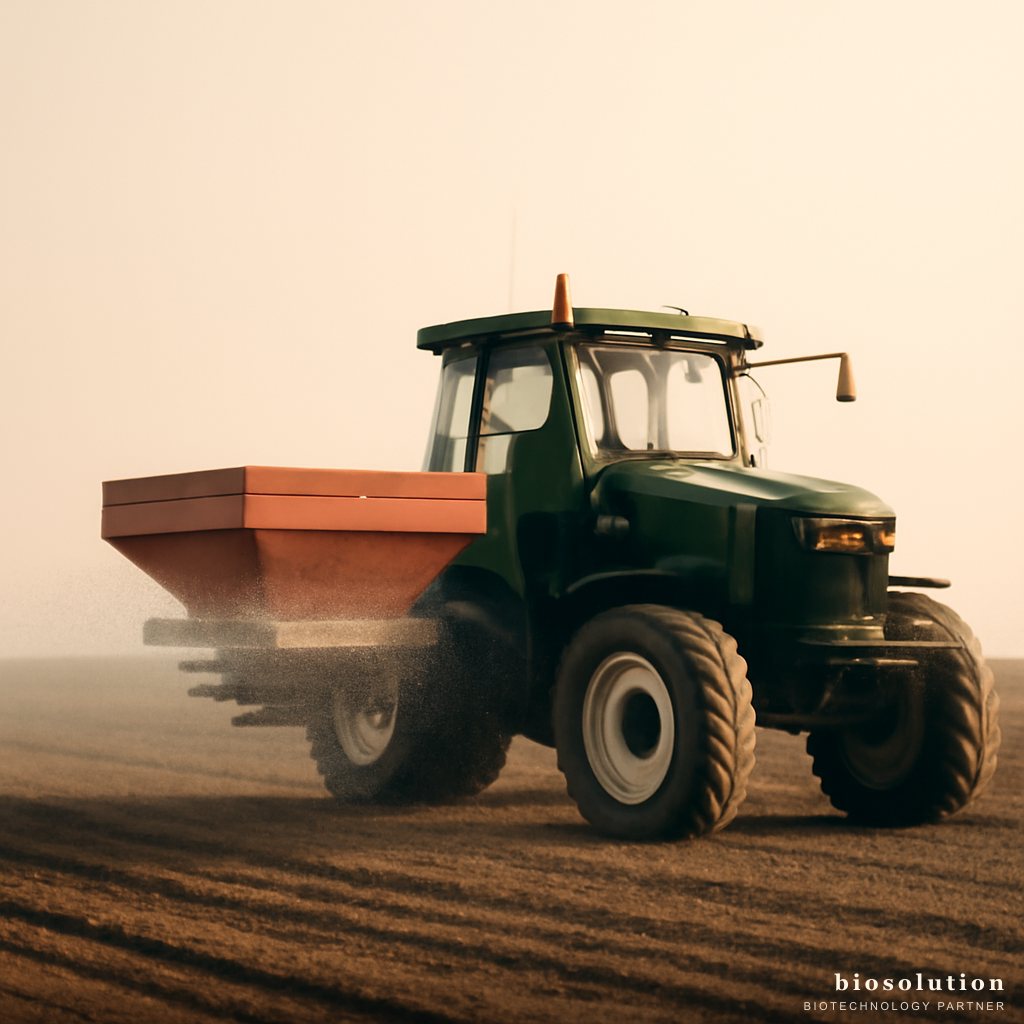
Granules can be evenly broadcast using a spreader machine commonly used in plantations. Adjust the spread width according to machine specifications, then apply around the plant root zone or along planting rows. Ensure granules contact moist soil for microbial activation.
Best Application Time
The best time is morning or late afternoon when temperatures are not too high, and the soil is moist. Avoid application during heavy rain to prevent granule washing. After application, light irrigation is recommended if the soil is dry.
Benefits of Granular Biofertilizer for Sustainable Plantations
Granular biofertilizer not only increases crop yields but also improves long-term soil quality. Here are its main benefits:
- Slow Nutrient Release – Granules release nutrients gradually according to plant needs, reducing the risk of nutrient leaching into groundwater.
- Increases Soil Organic Carbon – The organic matter content in granules contributes to increasing soil organic carbon levels, important for soil structure and water retention.
- Labor-Saving Application – With 1–2 applications per season, labor and fuel costs are drastically reduced compared to liquid biofertilizers that require repeated spraying.
- Reduces Chemical Fertilizer Dependence – Regular use of granular biofertilizer can reduce chemical fertilizer dosage by 25–50%, lowering production costs and environmental impact.
Case Study: Effectiveness on Oil Palm Plantations
A trial on a 50-hectare oil palm plantation in Riau showed that application of granular biofertilizer at a dose of 200 kg/ha at the start of the rainy season increased fresh fruit bunch (FFB) production by 12% compared to the control using only standard chemical fertilizers. Additionally, the incidence of basal stem rot disease (Ganoderma) decreased by 40% due to the activity of Trichoderma sp. and Pseudomonas fluorescens. Farmers reported that application using a spreader machine took only 2 hours per hectare, far more efficient than manual application.
Comparison with Chemical Fertilizers and Liquid Biofertilizers
| Parameter | Granular Biofertilizer | Chemical Fertilizer | Liquid Biofertilizer |
|---|---|---|---|
| Application method | Machine spread | Spread/spray | Spray |
| Frequency | 1–2x/season | 3–5x/season | 4–6x/season |
| Soil impact | Improves soil biology | Soil degradation | Limited improvement |
| Leaching risk | Low | High | Medium |
| Shelf life | 24 months | 12–24 months | 6–12 months |
Granular biofertilizer excels in ease of application and long-term positive impact on soil health. Although chemical fertilizers provide quick response, their continuous use without balancing with biofertilizers will decrease land productivity.
Conclusion
Broad-area granular biofertilizer is the right biotechnological solution for large-scale plantations seeking to transition to sustainable agricultural practices without sacrificing efficiency. With five superior microbial strains, granule size compatible with spreader machines, and a dosage of 100–250 kg/ha, this product not only increases crop yields but also naturally restores soil fertility. For more information or technical consultation, contact the Biosolution team via WhatsApp or visit the product page Broad-Area Granular Biofertilizer Formula.
FAQ
What is granular biofertilizer?
Granular biofertilizer is a biological fertilizer in the form of small granules containing beneficial live microbes. This product is designed for easy application on large areas using spreader machines, with slow nutrient release and long shelf life.
What is the dosage of granular biofertilizer for oil palm?
The recommended dosage for oil palm is 150–250 kg per hectare, applied 1–2 times per growing season. Application is done at the start of the rainy season or after basic chemical fertilization.
Is granular biofertilizer safe for the environment?
Very safe. Granular biofertilizer uses natural microbes that are not pathogenic. This product reduces nutrient leaching and greenhouse gas emissions, and improves soil biodiversity.
Can granular biofertilizer be mixed with chemical fertilizers?
Yes, it can be mixed with solid chemical fertilizers such as urea, SP-36, or KCl. However, avoid mixing with highly acidic or extremely alkaline fertilizers. It is best to apply them a few days apart to avoid direct interaction.
How long is the shelf life of granular biofertilizer?
Shelf life reaches 24 months at room temperature (25–30°C) and low humidity. Store in a cool, dry place away from direct sunlight.