Common Probiotic Mistakes in Managing WSSV Risk in Vaname Shrimp
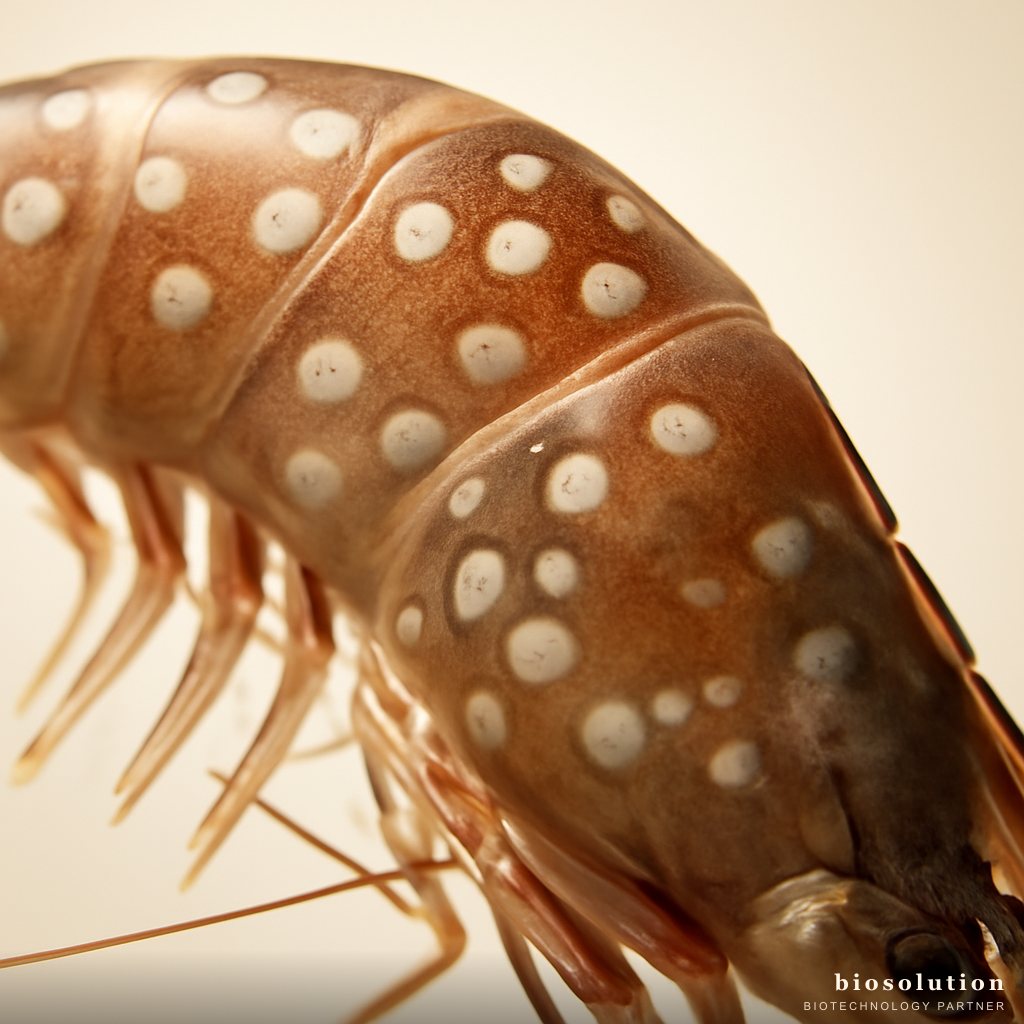
White Spot Syndrome Virus (WSSV) or white spot shrimp disease is a scourge for vaname shrimp farmers in Indonesia. This virus can cause up to 100% mortality in a short time. To manage WSSV risk, many farmers turn to probiotics as a preventive and curative strategy. However, many fail due to mistakes in probiotic use. This article will discuss these common errors and provide science-based solutions, including the use of Biosolution's Anti-Vibrio Pond Formula for Vaname Shrimp (Emergency).
Mistake 1: Relying on Probiotics Without Water Quality Management
Probiotics are not magic potions. Many farmers think that by applying probiotics, all water quality problems will be solved. In fact, probiotics work optimally only if pond water conditions are supportive. Parameters such as temperature, pH, salinity, and dissolved oxygen must be within ideal ranges. If the water is too turbid or ammonia levels are high, probiotics will not effectively suppress Vibrio, which often triggers WSSV outbreaks.
The Relationship Between Vibrio and WSSV
Vibrio, especially Vibrio harveyi and Vibrio parahaemolyticus, often cause co-infections that worsen WSSV. Research from IPB University shows that the presence of Vibrio increases WSSV virus replication. Therefore, managing WSSV risk must include Vibrio control. Probiotics such as Bacillus subtilis and Bacillus licheniformis in the Anti-Vibrio Pond Formula can suppress Vibrio populations through antibiosis and competition mechanisms.
Mistake 2: Incorrect Probiotic Dosage
Probiotic dosage is often overlooked. Farmers tend to use low doses due to cost concerns, or conversely, excessive doses that cause bacterial death due to over-competition. In emergency conditions, correct dosage is crucial. The Anti-Vibrio Pond Formula is designed with a dose of 10 L per hectare for shock treatment. This is a high concentration capable of rapidly knocking down Vibrio. If necessary, application can be repeated after 48 hours.
Mechanism of Action of Bacillus subtilis (10x)
Bacillus subtilis in this product is formulated at 10 times the concentration of regular probiotics. This bacterium produces antimicrobial compounds such as subtilin that are effective against Vibrio. Additionally, Bacillus licheniformis produces protease and lipase enzymes that degrade feed residue and organic matter, reducing nutrient sources for Vibrio.
Mistake 3: Wrong Application Timing
Probiotics are generally applied in the morning because water temperature is lower and dissolved oxygen is higher. However, many farmers apply probiotics at random times, such as midday when temperatures are high, which can kill probiotic bacteria. For the Anti-Vibrio Formula, morning application is highly recommended so that bacteria can adapt and multiply before temperatures rise.
Effect of Temperature on Probiotics
Bacillus spp. are thermophilic, but extreme temperatures above 35°C can reduce their viability. Therefore, avoid application when water temperature exceeds 33°C. If necessary, apply at dawn or in the evening.
Mistake 4: Not Monitoring Vibrio Populations
Many farmers use probiotics without knowing the severity of Vibrio infection. Routine monitoring using selective TCBS agar is essential. If Vibrio colony counts exceed 10^3 CFU/mL, the condition is already alarming. The Anti-Vibrio Pond Formula is designed as an emergency-grade product for such situations. This product can significantly reduce Vibrio populations within 24-48 hours.
Mistake 5: Ignoring Microbiome Balance
Good probiotics not only suppress pathogens but also maintain the balance of the water and shrimp gut microbiome. Continuous use of broad-spectrum probiotics can kill beneficial bacteria. Therefore, choose specific anti-Vibrio probiotics like the Anti-Vibrio Pond Formula. This product contains Bacillus subtilis and Bacillus licheniformis that are proven safe for the natural microbiome.
Synergy with Routine Probiotics
After the emergency condition is resolved, farmers are advised to return to a routine probiotic program such as Vaname Shrimp Pond Probiotic Formula to maintain long-term pond stability.
The Right Solution: Anti-Vibrio Pond Formula for Vaname Shrimp (Emergency)
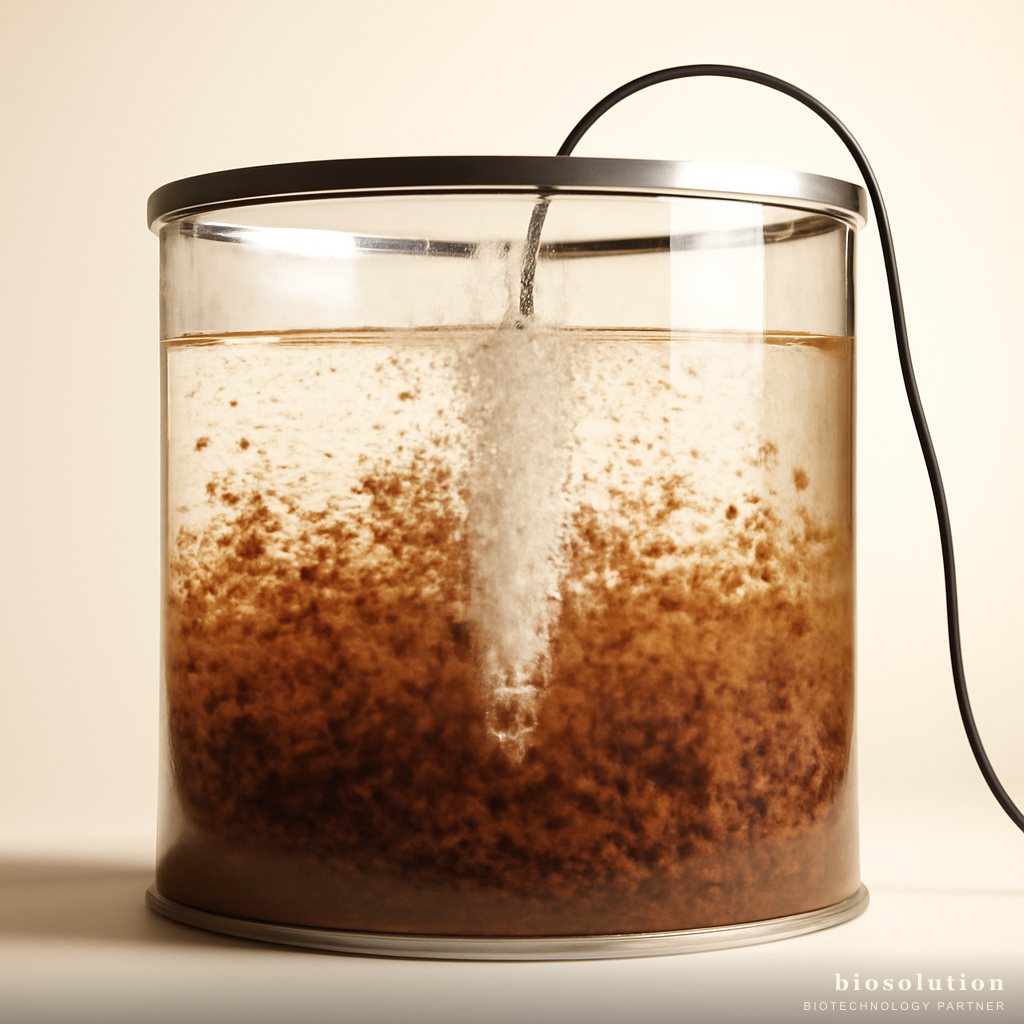
Biosolution presents the Anti-Vibrio Pond Formula as a fast and effective solution for managing WSSV risk. This product is an emergency-grade probiotic with high concentrations of Bacillus subtilis (10x) and Bacillus licheniformis. Application is easy: broadcast directly into the pond at a dose of 10 L per hectare. Within a short time, Vibrio populations drop drastically, preventing mass mortality and accelerating shrimp recovery.
Product Advantages
- Fast Vibrio knockdown: Results visible within 24-48 hours.
- Prevents mass mortality: Reduces risk of death due to WSSV-Vibrio co-infection.
- Fast recovery: Shrimp become active again and appetite returns.
- Premium emergency grade: Formulated specifically for emergency conditions.
Conclusion
Managing WSSV risk in vaname shrimp requires a comprehensive strategy. Probiotics are a powerful tool, but mistakes in dosage, application timing, and monitoring can undermine efforts. By understanding common errors and using the right product like the Anti-Vibrio Pond Formula, farmers can reduce outbreak risk. For further consultation, contact the Biosolution team via WhatsApp.
References: FAO (2021) – White Spot Syndrome Virus: Diagnosis and Management; IPB University (2020) – Vibrio Co-infection in WSSV.