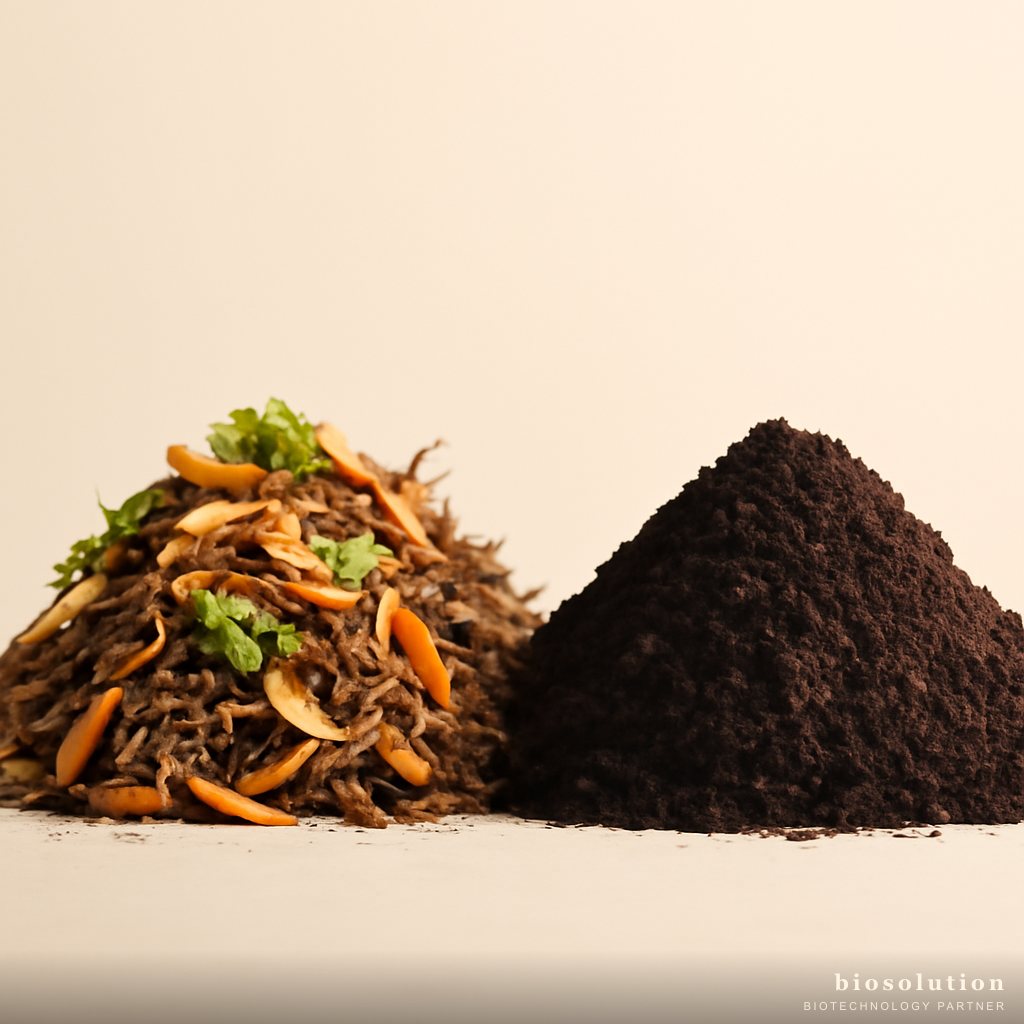
Economical Biofertilizer for Farmer Groups: 5 Effective Affordable Formulas
Farmer groups in Indonesia often face the challenge of high production costs, especially for purchasing chemical fertilizers. However, did you know there is a more economical and environmentally friendly alternative? Economical biofertilizer comes as a smart solution to increase land productivity without burdening the farmer group's budget. By utilizing beneficial microorganisms, biofertilizer can enrich the soil, suppress pathogen attacks, and reduce dependence on subsidized fertilizers. In this article, we will review five economical biofertilizer formulas suitable for aid programs and farmer groups, complete with cost comparisons and application guides.
Why Economical Biofertilizer is the Right Choice for Farmer Groups?
Economical biofertilizer offers significant cost advantages over conventional chemical fertilizers. In subsidy programs, the government often allocates limited funds for fertilizers, making efficiency key. Biofertilizers such as formulas from Biosolution containing Bacillus subtilis, Azotobacter sp., and Trichoderma sp. are not only cheaper in the long run but also improve soil quality sustainably.
Cost Comparison: Conventional vs. Biofertilizer
Let's do a simple calculation. For a 1-hectare field, the need for NPK chemical fertilizer averages 200-300 kg per growing season at a price of around Rp2,500 per kg, totaling Rp500,000-Rp750,000. Meanwhile, economical biofertilizer at a dose of 10 ml per liter of water, applied every 14 days, requires about 5 liters per hectare per application (assuming 500 liters of solution). The price of biofertilizer is around Rp50,000 per liter, so the cost per application is Rp250,000. In one season (4 months, 8 applications), the total is Rp2,000,000. However, using biofertilizer can reduce the need for chemical fertilizer by up to 50%, resulting in net savings of Rp1,000,000 per season. Not to mention the benefits of increased crop yields and soil health.
Other Advantages of Biofertilizer
Besides being economical, biofertilizer is also easy to apply, safe for farmers and the environment, and can be combined with local compost. Farmer groups can produce their own biofertilizer with guidance from extension workers, making costs even lower. Subsidy programs that adopt biofertilizer will be more targeted and sustainable.
5 Economical Biofertilizer Formulas for Farmer Groups
Here are five economical biofertilizer formulas that have been proven effective for various types of crops and land conditions:
1. Basic PGPR (Plant Growth Promoting Rhizobacteria) Formula
This formula contains Bacillus subtilis and Azotobacter sp. which act as plant growth promoters and nitrogen fixers. Suitable for rice, corn, and vegetables.
2. Soil Pathogen Biocontrol Formula
Contains Trichoderma sp. which effectively controls pathogenic fungi such as Fusarium and Rhizoctonia. Highly recommended for land often affected by wilt diseases.
3. Phosphate Solubilizing Formula
Contains phosphate-solubilizing bacteria such as Bacillus and Pseudomonas that help release bound phosphorus in the soil, making it easier for plants to absorb nutrients.
4. Multifunctional Formula (PGPR + Biocontrol)
A combination of Bacillus subtilis, Azotobacter sp., and Trichoderma sp. as in Biosolution products. This formula provides dual benefits: fertilization and plant protection.
5. Cost-Effective Formula with Local Compost
Biofertilizer mixed with farmer group-made compost in a 1:10 ratio. This method is very economical because compost is available for free from agricultural waste.
How to Apply Biofertilizer Effectively and Efficiently
For economical biofertilizer to deliver maximum results, application must be precise. Here is a practical guide:
Solution Preparation
Mix 10 ml of biofertilizer per liter of water (standard dose). Stir evenly and let stand for 15 minutes to activate microorganisms.
Application Methods
- Root Drench: Pour the solution around the plant roots, 200-300 ml per plant.
- Soil Spray: Spray onto the soil surface before or after planting.
Application Timing
Apply in the morning or late afternoon when temperatures are not too hot to avoid UV rays that can kill microorganisms. Repeat every 14 days.
Success Tips
- Ensure the soil is moist before application.
- Do not mix biofertilizer with chemical pesticides simultaneously; allow a 3-5 day interval.
- Store biofertilizer in a cool place away from direct sunlight.
Case Study: Success of Biofertilizer Subsidy Program
In several regions, biofertilizer subsidy programs have successfully increased productivity and farmer welfare. For example, in Malang Regency, farmer groups using the Bacillus subtilis and Azotobacter formula reported a 15% increase in rice yield and up to 40% savings on fertilizer costs. This program was supported by agricultural extension workers who provided training on making biofertilizer independently.
Conclusion
Economical biofertilizer is a smart solution for farmer groups and subsidy programs. With the five affordable formulas reviewed, farmers can choose according to their land needs and budget. Using biofertilizer not only saves costs but also maintains long-term soil fertility. For more information on economical biofertilizer formulas suitable for your farmer group, consult the Biosolution team via WhatsApp or visit our product page: Economical Biofertilizer Formula.
FAQ
What is economical biofertilizer?
Economical biofertilizer is a fertilizer containing beneficial microorganisms such as bacteria and fungi, produced at low cost yet effective in improving soil fertility and plant growth. Suitable for farmer groups with limited budgets.
How to make biofertilizer yourself?
You can buy biofertilizer concentrate like Biosolution products, then mix it with water according to the dosage. For large scale, farmer groups can multiply it using sterile media, but it is recommended to use ready-made products to ensure quality.
Is biofertilizer safe to combine with chemical fertilizers?
Yes, biofertilizer can be combined with low-dose chemical fertilizers. However, avoid mixing directly with chemical pesticides as they can kill microorganisms. Allow a minimum 3-day interval between applications.
What is the dosage of biofertilizer for rice?
The standard dose is 10 ml per liter of water, applied as a root drench of 200 ml per clump every 14 days. For a 1-hectare field, about 5 liters of biofertilizer is needed per application.
Where can I buy economical biofertilizer?
Economical biofertilizer is available at agricultural stores or directly from manufacturers like Biosolution. For subsidy programs, it can be accessed through local agricultural offices or farmer cooperatives.