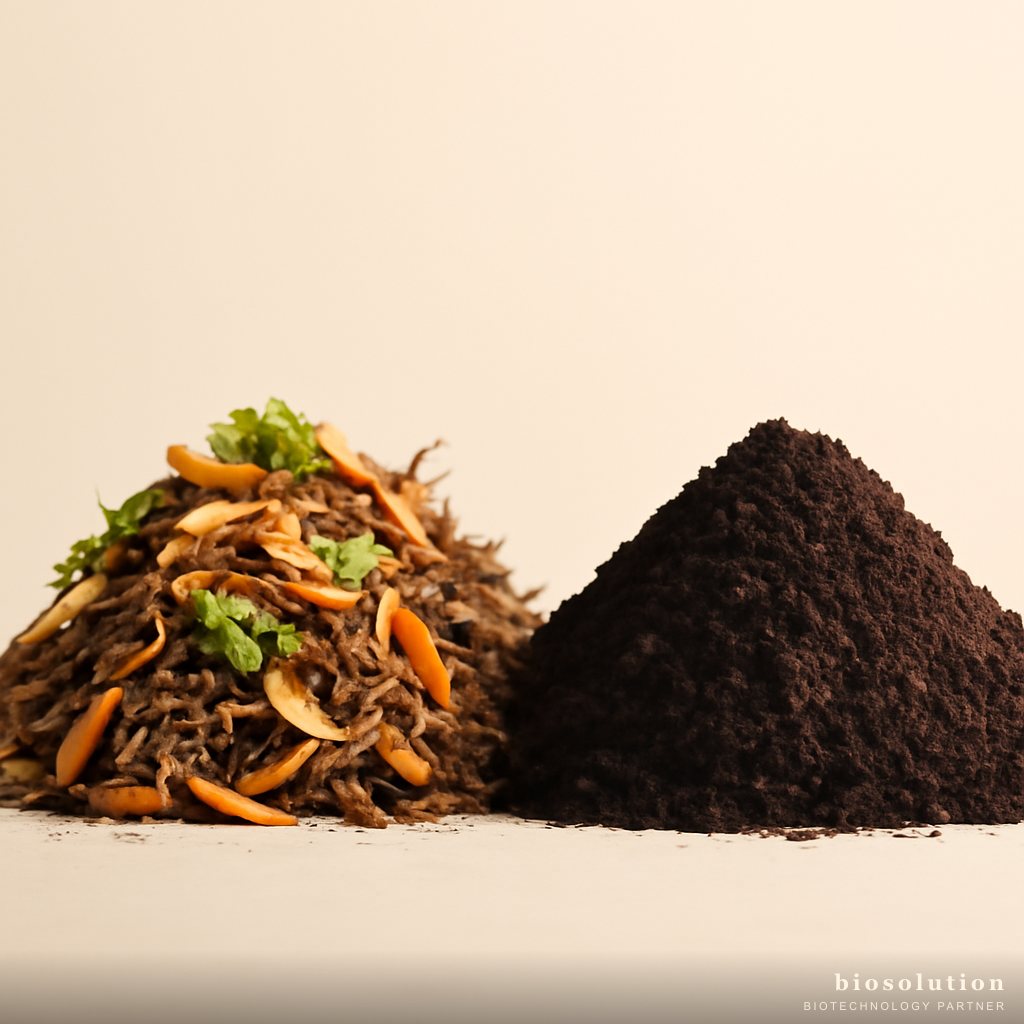
Economical Biofertilizer for Farmer Groups: Field Trial Results of Aid Program Formula
Economical biofertilizer is the right solution for farmer groups looking to increase productivity without burdening production costs. In government aid and subsidy programs, selecting affordable yet effective biofertilizers is crucial. This article presents field trial results of an economical biofertilizer formula specifically designed for farmer groups, using three superior microbes: Bacillus subtilis, Azotobacter sp., and Trichoderma sp..
Background: Why Farmer Groups Need Economical Biofertilizer?
Farmer groups in Indonesia often face high production costs, especially for chemical fertilizers. Subsidized fertilizer programs help, but distribution and availability are often uneven. Economical biofertilizer offers a cheaper and more environmentally friendly alternative. By utilizing soil microbes, biofertilizer can increase nutrient availability, improve soil structure, and suppress plant diseases. The formula tested in this aid program contains three microbial strains proven effective: Bacillus subtilis as a PGPR and phosphate solubilizer, Azotobacter sp. as a non-symbiotic nitrogen fixer, and Trichoderma sp. as a biocontrol agent. This combination works synergistically to enrich soil and boost crop yields.
Field Trial Methodology: Protocol and Locations
Field trials were conducted at three different locations representing marginal lands: dry land in Central Java, rainfed lowland rice fields in West Java, and peatland in West Kalimantan. Each location used a randomized block design with three replications. Treatments included: (1) control without biofertilizer, (2) standard chemical fertilizer (local recommendation), (3) economical biofertilizer from the aid program formula at a dose of 10 ml/liter of water, applied via root drench every 14 days. Parameters observed included plant height, number of tillers, biomass weight, yield, and initial-final soil analysis. Applications were done in the morning or late afternoon to avoid UV rays that could damage the microbes.
Field Trial Results: Productivity and Efficiency Gains
Field trial results showed that the economical biofertilizer increased average yields by 15-20% compared to the control, and was equivalent to the standard chemical fertilizer treatment. On dry land, corn yield increased by 18%, while rainfed lowland rice increased by 15%. On peatland, although yields were lower, the biofertilizer improved soil pH and increased phosphorus availability. Soil analysis showed an increase in phosphate-solubilizing and nitrogen-fixing bacterial populations after regular application. Interestingly, using biofertilizer reduced chemical fertilizer needs by up to 30%, significantly lowering production costs. Farmer groups participating in the program reported ease of application and compatibility with local compost.
Effectiveness of Bacillus subtilis as PGPR
Bacillus subtilis in this formula acts as a Plant Growth Promoting Rhizobacteria (PGPR) that produces growth hormones such as auxins and gibberellins. Additionally, this bacterium solubilizes bound phosphate in the soil, making it available to plants. In field trials, treated plants showed longer roots and more tillers.
Role of Azotobacter sp. in Nitrogen Fixation
Azotobacter sp. is a non-symbiotic nitrogen-fixing bacterium capable of fixing atmospheric nitrogen and converting it into ammonia that plants can absorb. Its contribution is significant in low-N soils. Measurements showed a 10% increase in total soil N after 3 months of application.
Trichoderma sp. as a Biocontrol Agent for Soil Pathogens
Trichoderma sp. is known as an effective biocontrol agent against soil-borne fungal pathogens such as Fusarium and Rhizoctonia. On peatland prone to disease, biofertilizer application suppressed wilt disease incidence by up to 40%.
Economic Impact for Farmer Groups
With the price of economical biofertilizer lower than chemical fertilizers, farmer groups can save 30-40% per growing season. Aid programs providing this biofertilizer also facilitate access for small farmers. Field trials showed that with minimal initial investment, farmers achieved higher net profits due to increased yields and reduced input costs. Moreover, sustainable use of biofertilizer improves long-term soil quality, reducing dependence on fluctuating subsidized fertilizers.
Application Recommendations for Aid Programs
For optimal results, this economical biofertilizer is applied via root drench or soil spray at a dose of 10 ml per liter of water every 14 days. Best applied in the morning or late afternoon. The biofertilizer is compatible with local compost and other organic fertilizers, allowing integration into integrated farming programs. Farmer groups are advised to conduct socialization and brief training for proper application. For more information, consult the Biosolution team via WhatsApp.
Conclusion
Economical biofertilizer for farmer groups has proven effective in increasing yields, reducing production costs, and improving soil fertility. Field trial results show that the formula with Bacillus subtilis, Azotobacter sp., and Trichoderma sp. can be a reliable solution in aid and subsidy programs. With the right approach, farmer groups can achieve fertilizer self-sufficiency and sustainable productivity. See the product Economical Biofertilizer Formula for Aid Programs for further details.
FAQ
1. What is the application dose of economical biofertilizer for farmer groups? The recommended dose is 10 ml per liter of water, applied via root drench or soil spray every 14 days. Ensure application is done in the morning or late afternoon to maintain microbial viability.
2. Is this biofertilizer suitable for all types of crops? Yes, this formula is general and suitable for food crops such as rice, corn, vegetables, and plantation crops. However, for specific crops, consult an expert.
3. How should biofertilizer be stored to remain effective? Store in a cool, dry place away from direct sunlight. Ideal storage temperature is 4-30°C. Do not freeze. Use within 6 months of production.
4. Can biofertilizer be mixed with chemical fertilizers? It is best not to mix directly as chemicals can kill the microbes. Apply separately with at least a 3-day interval.
5. How can this biofertilizer be obtained for farmer group programs? Contact the Biosolution team via WhatsApp or visit the product page Economical Biofertilizer Formula for ordering and aid program information.