EMS AHPND Vaname: A Case Study of a Pond Successfully Reducing Mortality with Anti-Vibrio Probiotics
Early Mortality Syndrome (EMS) or Acute Hepatopancreatic Necrosis Disease (AHPND) is a bacterial disease caused by pathogenic Vibrio parahaemolyticus, posing a serious threat to intensive vaname shrimp ponds in Indonesia. In recent years, losses due to EMS/AHPND are estimated to reach billions of rupiah per growing season. However, a probiotic approach based on Bacillus spp. has proven capable of suppressing Vibrio populations and saving harvests. This article examines a case study of a pond in East Java that successfully overcame an AHPND outbreak using the Anti-Vibrio Formula for Vaname Shrimp Ponds (Emergency) from Biosolution, along with appropriate application strategies.
Understanding EMS/AHPND in Vaname Shrimp
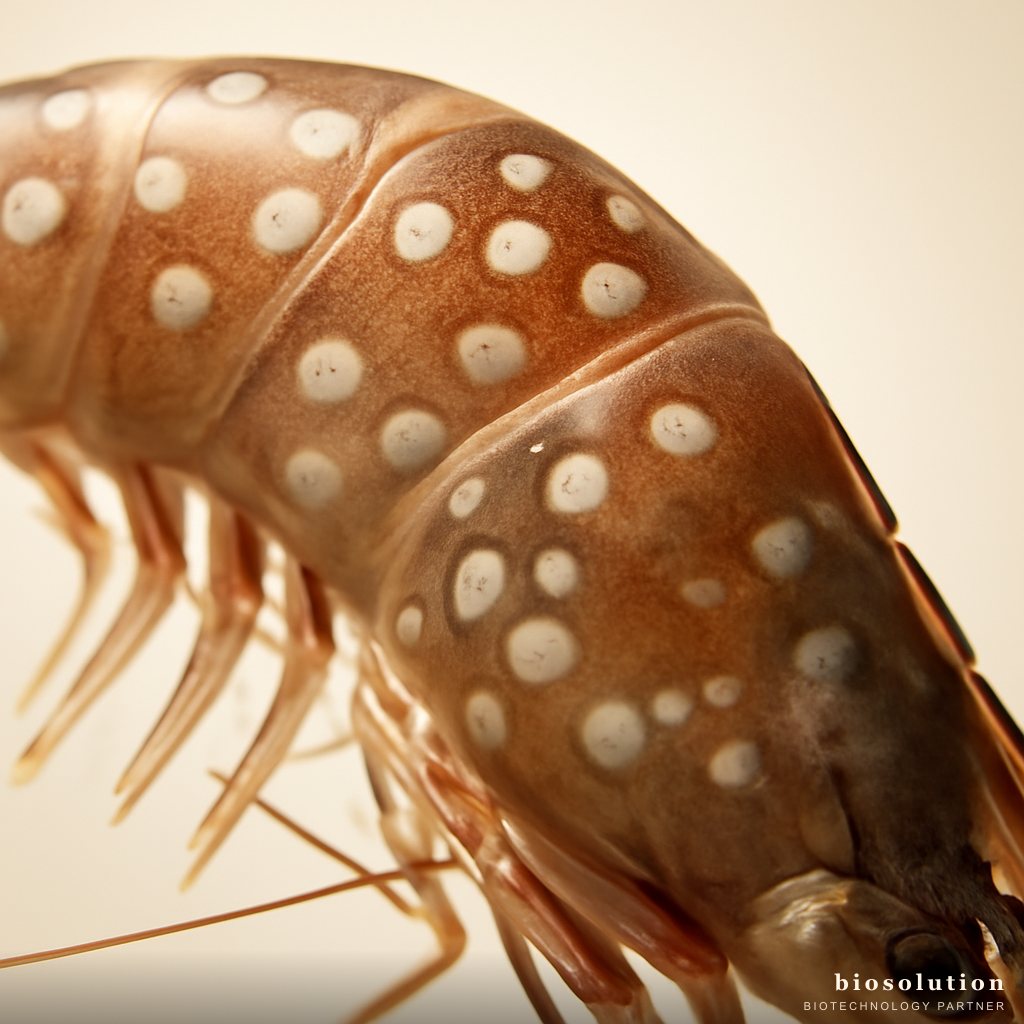
EMS/AHPND was first reported in Asia in 2009 and quickly spread to global shrimp farming centers. The disease attacks the shrimp's hepatopancreas, a vital organ responsible for digestion and immunity. Clinical symptoms include pale or atrophied hepatopancreas, empty gut, and mass mortality within 20-30 days post-stocking. Vibrio parahaemolyticus carrying a virulent plasmid (pVA1) produces PirAB toxins that damage hepatopancreatic tissue. Mortality rates can reach 100% in a short time if left untreated.
Key triggering factors include:
- Poor water quality (high ammonium, nitrite)
- Extreme temperature fluctuations
- Overly high stocking density
- Overfeeding
- Entry of pathogenic Vibrio from water sources
Therefore, early control and a probiotic-based prevention strategy are key to success.
Mechanism of Bacillus Probiotics in Suppressing Vibrio
Bacillus subtilis and Bacillus licheniformis probiotics have several effective mechanisms of action against Vibrio parahaemolyticus:
Production of Antibiosis Compounds
Both strains produce bacteriocins and antimicrobial peptides that directly inhibit Vibrio growth. Bacillus subtilis produces subtilin, while Bacillus licheniformis produces lichenisin. These compounds penetrate the cell wall of pathogenic bacteria and cause lysis.
Competition for Nutrients and Space
Bacillus spp. grow rapidly and form resistant spores, enabling them to dominate the pond environment. They consume nutrients needed by Vibrio while attaching to the shrimp gut surface, preventing pathogen colonization.
Production of Extracellular Enzymes
Bacillus licheniformis produces protease, amylase, and lipase that help degrade feed residues and organic matter on the pond bottom. This reduces the accumulation of toxic compounds like ammonia, which can trigger stress in shrimp.
Immunostimulation
Components of the Bacillus cell wall (peptidoglycan, lipoteichoic acid) stimulate the shrimp's non-specific immune response, increasing phagocytosis activity and antioxidant enzyme production. Shrimp fed probiotics have higher resistance to Vibrio infection.
Case Study: Intensive Pond in East Java
An intensive vaname shrimp pond in Situbondo Regency, East Java, experienced an AHPND outbreak during the April 2025 growing season. The 1-hectare pond with a stocking density of 150 shrimp/m² showed symptoms:
- Day 20: shrimp began to weaken, hepatopancreas pale
- Day 25: daily mortality reached 5% (approximately 7,500 shrimp/day)
- PCR test from the Fish Quarantine Center confirmed the presence of AHPND-positive Vibrio parahaemolyticus
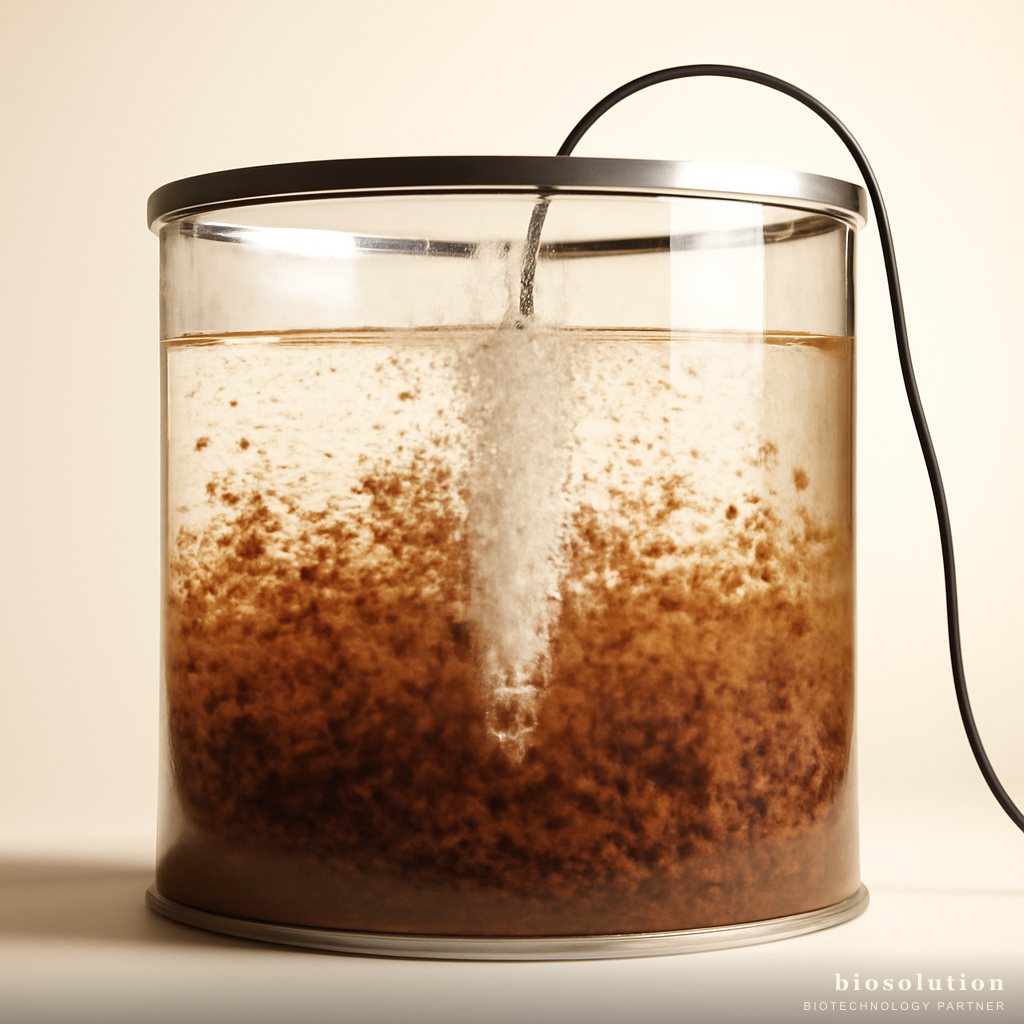
The pond owner immediately applied the Anti-Vibrio Formula for Vaname Shrimp Ponds (Emergency) from Biosolution. This product contains Bacillus subtilis (10x concentration) and Bacillus licheniformis at a dose of 10 L per hectare, broadcast directly in the morning. The application was repeated 48 hours later.
Results:
- 24 hours after the first application: Vibrio population in water dropped from 10⁴ CFU/mL to 10² CFU/mL (TSB test)
- Day 30: daily mortality rate decreased drastically to 0.5%
- Day 60: survival rate (SR) reached 82%, higher than neighboring ponds not using probiotics (SR 35%)
- Harvest on day 90: production of 12 tons, size 60 shrimp/kg
This success demonstrates that rapid intervention with high-concentration probiotics can restore pond conditions and prevent total losses.
Probiotic Application Strategy for Prevention and Management of EMS/AHPND
Routine Prevention
- Frequency: Every 2 weeks during the rearing period
- Dose: 5 L per hectare (half the emergency dose)
- Time: Morning (06:00-08:00) when water temperature is optimal for Bacillus
- Method: Dilute with pond water 1:10, then broadcast evenly
Emergency Management (During Outbreak)
- Dose: 10 L per hectare, repeat after 48 hours if necessary
- Monitoring: Vibrio count using TCBS media before and after application
- Note: Probiotics work optimally if water quality is maintained (DO >4 mg/L, pH 7.5-8.5, salinity 15-25 ppt)
Feed Support
In addition to water application, administering probiotics through feed (1-2 g/kg feed) can strengthen shrimp immunity. Bacillus also helps improve feed efficiency (lower FCR).
Supporting Data from Related Research
Research by FAO (2023) showed that the combined use of Bacillus subtilis and Bacillus licheniformis can reduce AHPND prevalence by up to 70% in semi-intensive ponds. Meanwhile, a study from Bogor Agricultural University (IPB) in 2024 reported that application of Bacillus probiotics at a dose of 10⁸ CFU/mL could inhibit Vibrio parahaemolyticus growth in vitro with an inhibition zone of up to 18 mm.
Composition data of Biosolution products show that the Anti-Vibrio Formula for Vaname Shrimp Ponds (Emergency) contains Bacillus subtilis at a concentration 10 times that of regular probiotics, providing a rapid knockdown effect on Vibrio populations in the pond.
Conclusion
EMS/AHPND in vaname shrimp can be effectively controlled with Bacillus subtilis and Bacillus licheniformis probiotics, especially if applied immediately after initial symptoms appear. The case study in East Java proves that the Anti-Vibrio Formula for Vaname Shrimp Ponds (Emergency) from Biosolution can reduce mortality by up to 80% and restore pond productivity. Routine prevention strategies and water quality monitoring are key to long-term success.
For further consultation on managing EMS/AHPND in your pond, contact the Biosolution technical team via WhatsApp. Get dosage recommendations and application schedules tailored to your pond conditions.
FAQ
Q: Is the Anti-Vibrio Formula safe for shrimp and the environment? A: Very safe. Bacillus subtilis and Bacillus licheniformis are non-pathogenic microorganisms widely used in aquaculture. This product leaves no harmful residues and actually improves water quality by degrading organic matter.
Q: How long does the knockdown effect on Vibrio last? A: After an emergency dose (10 L/ha), the Vibrio population drops drastically within 24 hours and remains low for 3-5 days. If the pond condition is still vulnerable, reapplication can be done after 48 hours. For prevention, routine application every 2 weeks keeps the Vibrio population under control.
Q: Can this probiotic be used together with antibiotics? A: It is best not to. Antibiotics can kill probiotic bacteria, reducing effectiveness. If antibiotics must be used, allow a minimum 48-hour gap after probiotic application. A probiotic approach is more recommended to avoid resistance.
Q: How should this product be stored? A: Store in a cool, dry place, away from direct sunlight. Ideal storage temperature is 4-30°C. Do not freeze. The product in sealed packaging can last up to 12 months.
Q: Is there a guarantee of success? A: Biosolution guarantees product quality according to the composition. Field success depends on pond conditions, stocking density, and water management. Our technical team is ready to assist in maximizing results.