EMS AHPND Vaname: Anti-Vibrio Probiotic Strategy for Intensive Ponds
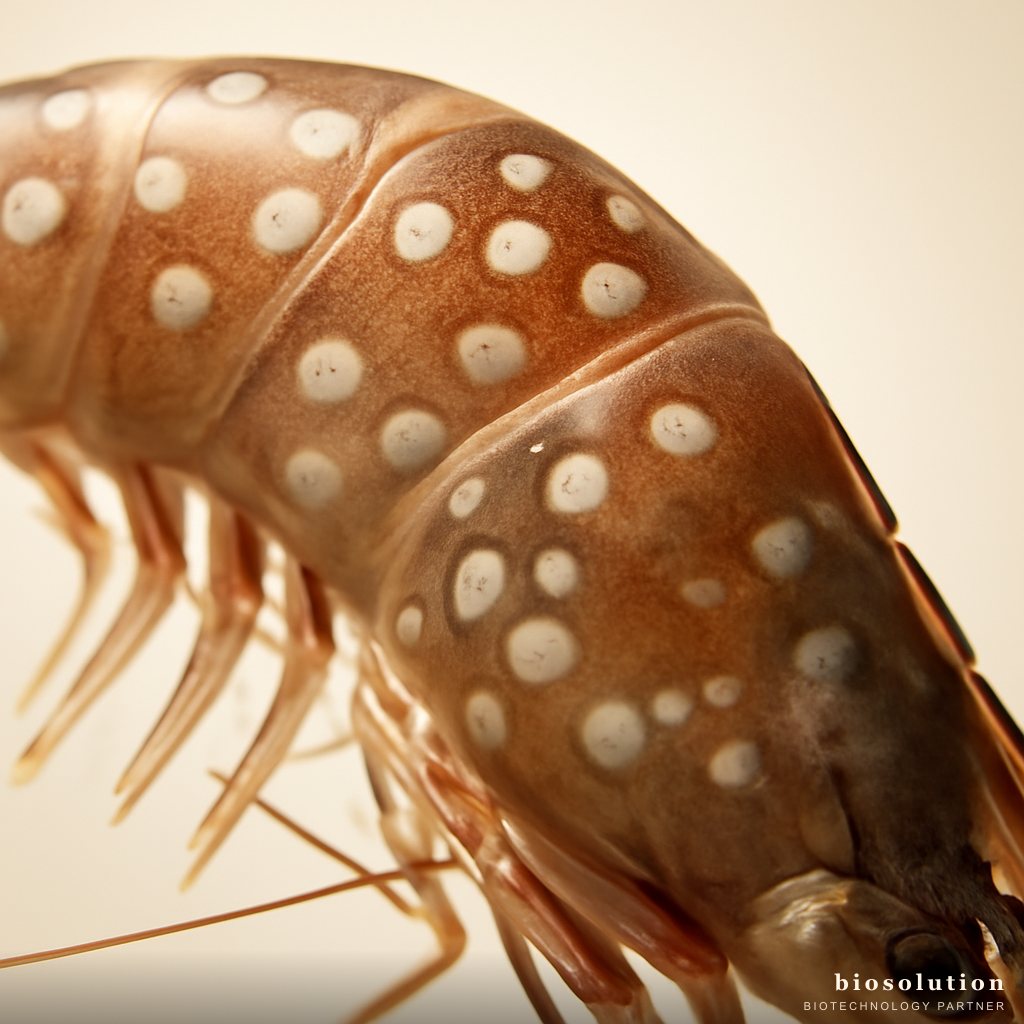
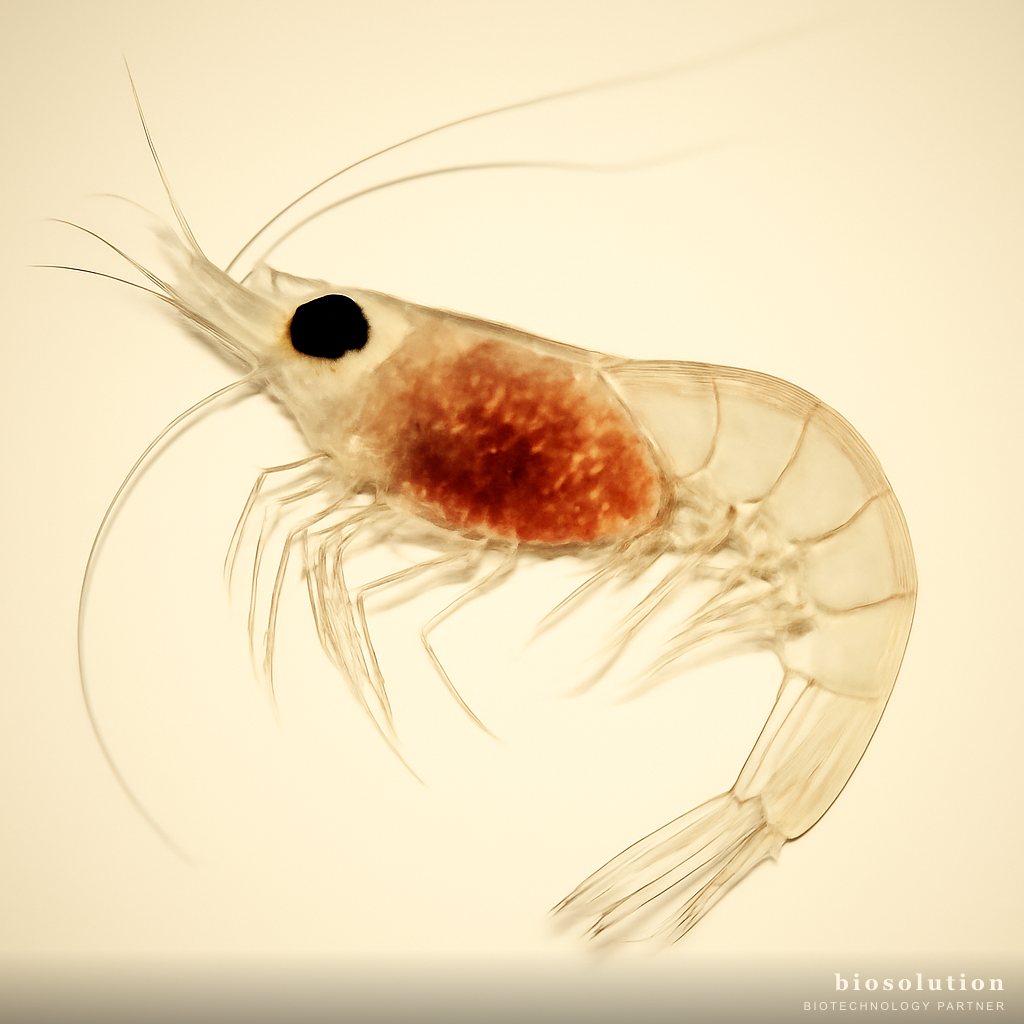
EMS (Early Mortality Syndrome) or AHPND (Acute Hepatopancreatic Necrosis Disease) in vaname shrimp (Litopenaeus vannamei) has become a scourge for intensive farmers worldwide. This disease, caused by pathogenic Vibrio parahaemolyticus strains, can trigger mass mortality of up to 100% within 20-30 days post-stocking. In Indonesia, losses due to EMS/AHPND are estimated to reach trillions of rupiah per year. However, with proper understanding of probiotic strategies and sustainable pond management, this risk can be significantly reduced.
Understanding EMS/AHPND: Pathogenesis and Impact on Vaname Ponds
EMS/AHPND was first reported in China in 2009 and quickly spread to Vietnam, Malaysia, Thailand, and Indonesia. The main pathogen is Vibrio parahaemolyticus carrying a virulent plasmid (pVA1) that produces PirA and PirB toxins. These toxins attack the shrimp hepatopancreas, causing acute necrosis and organ failure. Early symptoms include reduced appetite, pale and atrophied hepatopancreas, and sudden death. Key triggering factors include poor water quality (high ammonia, low oxygen), high stocking density, and environmental stress. The economic impact is enormous: crop failure, high treatment costs, and reduced pond productivity.
Probiotic Strategy: Bacillus subtilis and Bacillus licheniformis as Anti-Vibrio Agents
Probiotics have proven effective in controlling pathogenic Vibrio without inducing antibiotic resistance. Two of the most potent strains are Bacillus subtilis and Bacillus licheniformis. Bacillus subtilis produces antimicrobial compounds such as subtilisin and surfactin that can lyse Vibrio cell walls. Bacillus licheniformis produces protease and chitinase enzymes that degrade Vibrio biofilms, along with other antibiotic compounds. The combination of these two strains at high concentrations (10x) provides the rapid knockdown effect needed during outbreaks.
Mechanisms of Anti-Vibrio Probiotics
Probiotics work through several mechanisms:
- Competitive exclusion: Occupying adhesion receptors in the shrimp gut, preventing Vibrio colonization.
- Production of antimicrobial compounds: Subtilisin, surfactin, and other peptides that directly kill Vibrio.
- Immunomodulation: Stimulating the shrimp's non-specific immune response through hemocyte activation and antioxidant enzyme production.
- Detoxification: Reducing ammonia and nitrite levels in the water, lowering environmental stress.
Biosolution's Anti-Vibrio Formula for Vaname Shrimp Ponds (Emergency)
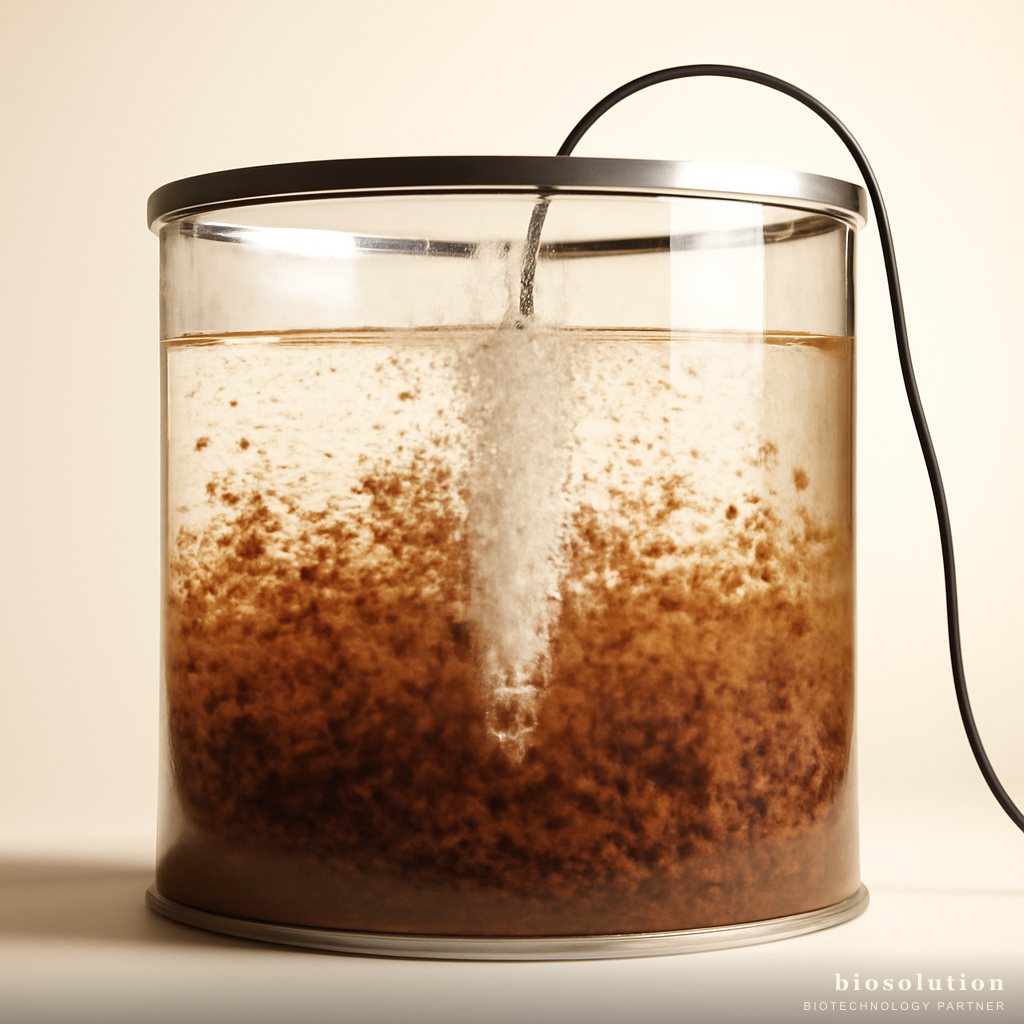
For emergency situations, Biosolution presents the Anti-Vibrio Formula for Vaname Shrimp Ponds (Emergency) containing Bacillus subtilis (10x) and Bacillus licheniformis at high concentrations. This product is designed for rapid Vibrio knockdown by direct application to the pond. The shock treatment dose is 10 liters per hectare, applied once in the morning. If needed, application can be repeated after 48 hours. Product advantages include:
- Rapid Vibrio knockdown: Suppresses pathogenic Vibrio populations within 24-48 hours.
- Prevents mass mortality: Significantly reduces shrimp mortality rates.
- Fast recovery: Restores hepatopancreas condition and shrimp appetite.
- Premium emergency grade: Special formula for acute outbreak conditions.
For more information, visit the product page: Anti-Vibrio Pond Formula.
Sustainable Pond Management: Prevention is Better than Cure
In addition to emergency probiotics, sustainable strategies are crucial to prevent EMS/AHPND recurrence. Key practices include:
- Pond preparation: Drying, liming, and water sterilization before stocking.
- Water quality management: Regular monitoring of temperature, pH, salinity, dissolved oxygen, and ammonia. Use routine probiotics to maintain microbial balance.
- Optimal stocking density: Avoid overstocking which increases stress and disease transmission risk.
- Quality feed: Provide feed with immunostimulants such as beta-glucan or feed probiotics.
- Quarantine and biosecurity: Quarantine post-larvae and restrict access of people/equipment to the pond.
Consistent implementation of these practices creates an environment unfavorable to pathogenic Vibrio and strengthens shrimp resilience.
Case Study: Success of Anti-Vibrio Probiotics in Intensive Ponds
Several field studies demonstrate the effectiveness of Bacillus probiotics in suppressing EMS/AHPND. In East Java, an intensive vaname pond of 1 hectare experienced mass mortality reaching 60% on day 25. After application of the Anti-Vibrio Pond Formula at a dose of 10 L/ha, mortality dropped to 10% within 48 hours. Total Vibrio population in the water decreased from 10^5 CFU/mL to 10^3 CFU/mL. Surviving shrimp showed restored appetite and normal hepatopancreas color. Final harvest reached 70% of the initial target, better than untreated ponds which achieved only 30%.
Conclusion
EMS/AHPND in vaname shrimp is a serious threat requiring a holistic approach. Probiotics based on Bacillus subtilis and Bacillus licheniformis have proven effective as a rapid Vibrio knockdown strategy in emergency situations. Biosolution's Anti-Vibrio Pond Formula offers a premium solution with high concentration and easy application. However, prevention through sustainable pond management remains key. By integrating emergency probiotics and good aquaculture practices, farmers can minimize EMS/AHPND risk and sustainably increase pond productivity.
For further consultation on probiotic strategies and related products, contact the Biosolution technical team via WhatsApp or see the Anti-Vibrio Pond Formula product and other aquaculture solutions on the aqua solutions page.
FAQ
What is EMS/AHPND in vaname shrimp?
EMS (Early Mortality Syndrome) or AHPND (Acute Hepatopancreatic Necrosis Disease) is a disease caused by pathogenic Vibrio parahaemolyticus bacteria that produce PirA/PirB toxins. This disease attacks the shrimp hepatopancreas, causing mass mortality in the early weeks of cultivation. Symptoms include pale hepatopancreas, atrophy, and sudden death.
How do Bacillus probiotics work to control Vibrio?
Probiotics Bacillus subtilis and Bacillus licheniformis work through competitive exclusion, production of antimicrobial compounds (subtilisin, surfactin), and immunomodulation. They also degrade Vibrio biofilms and improve water quality by reducing ammonia and nitrite.
When is the right time to use the Anti-Vibrio Pond Formula?
This product is designed for emergency situations during EMS/AHPND outbreaks or significant Vibrio population increases. Application is done in the morning at a dose of 10 L/ha, repeated after 48 hours if necessary. Routine use can also be done as a preventive measure in high-risk ponds.
Is this product safe for shrimp and the environment?
Yes, Bacillus probiotics are natural microorganisms that are not pathogenic. This product has been tested for safety and leaves no harmful residues. Its use actually supports pond microbial balance and is environmentally friendly.
How to apply the Anti-Vibrio Pond Formula?
The product is broadcast directly and evenly over the pond. Ensure good aeration for optimal distribution. Avoid application together with chemical disinfectants. For proper dosage and schedule, consult with a Biosolution technician.