EMS AHPND Vaname: How to Apply Anti-Vibrio Pond Formula for Vaname Shrimp (Emergency)
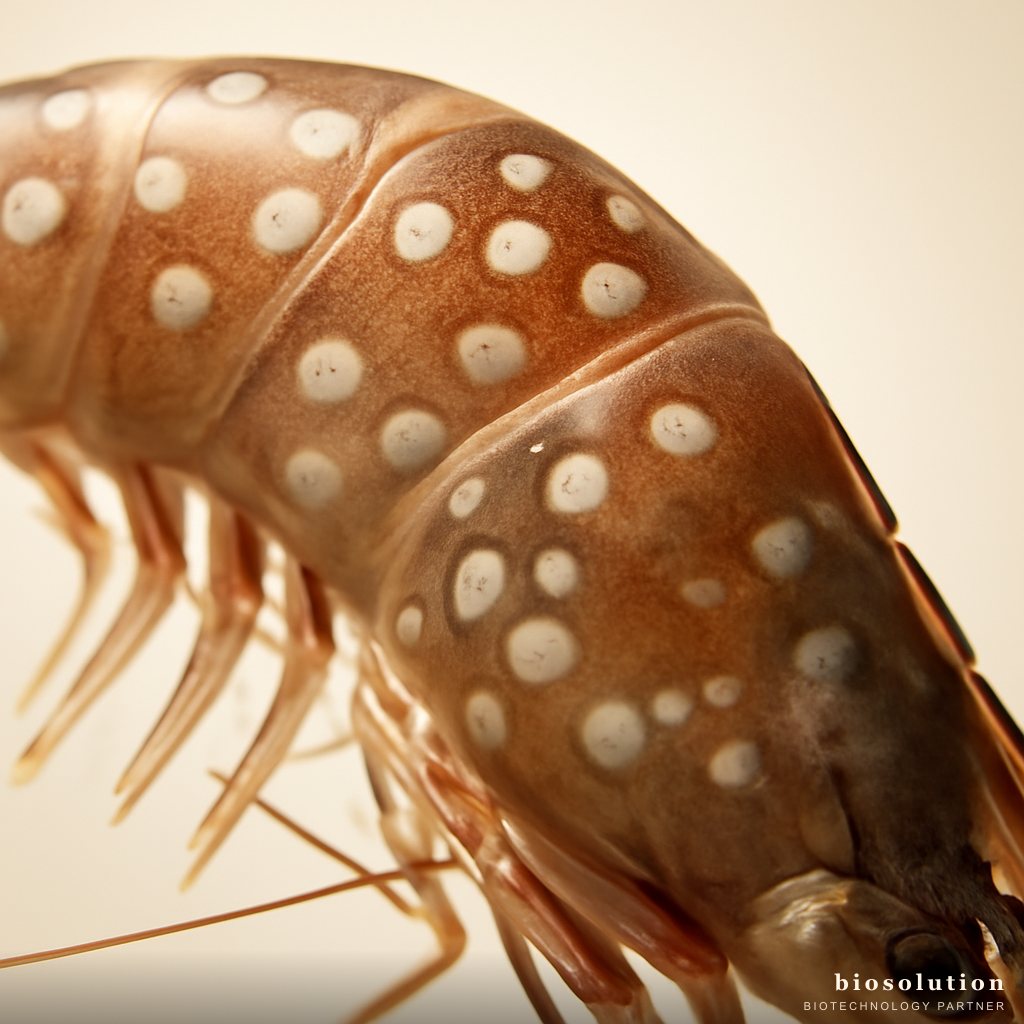
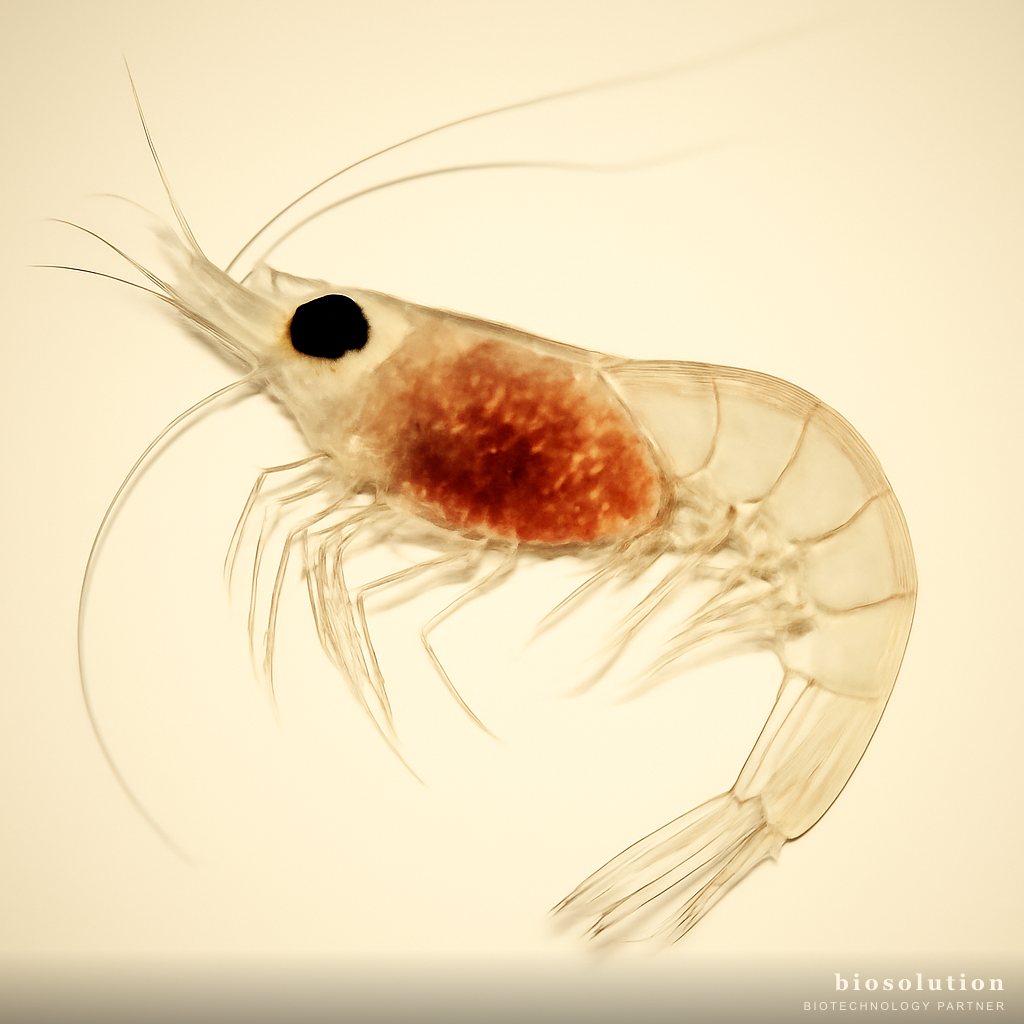
EMS (Early Mortality Syndrome) or AHPND (Acute Hepatopancreatic Necrosis Disease) has become a scourge for vaname shrimp (Litopenaeus vannamei) farmers worldwide. This disease, caused by Vibrio parahaemolyticus carrying a virulent plasmid, can cause mass mortality of up to 100% within 20-30 days post-stocking. In Indonesia, losses from EMS/AHPND are estimated to reach trillions of rupiah annually. However, there is good news: the anti-Vibrio probiotic technology from Biosolution, namely the Anti-Vibrio Pond Formula for Vaname Shrimp (Emergency), provides a fast and effective knockdown solution. This article will technically discuss the application method, dosage, frequency, and mechanism of action of this product based on composition data and usage recommendations.
Understanding EMS/AHPND and the Role of Probiotics in Its Control
What is EMS/AHPND?
EMS/AHPND was first reported in Asia in 2009 and quickly spread to Latin America. The main pathogen is Vibrio parahaemolyticus infected with the pVA1 plasmid, producing PirA/PirB toxins that damage the shrimp's hepatopancreas. Clinical signs include pale hepatopancreas, atrophy, and sudden death. Key risk factors are high density, poor feed management, and Vibrio dominance in the pond.
Why Probiotics?
Antibiotic use has been banned in many countries due to resistance and residues. Probiotics offer an environmentally friendly approach through competitive exclusion, production of antibacterial compounds, and immune stimulation. The Anti-Vibrio Pond Formula (Emergency) contains two superior Bacillus strains: Bacillus subtilis (10x concentration) and Bacillus licheniformis. Studies show that Bacillus subtilis produces subtilin and surfactin that are bactericidal against Vibrio, while Bacillus licheniformis produces protease and chitinase enzymes that degrade biofilms and bacterial cell walls.
Composition and Mechanism of Action of Anti-Vibrio Pond Formula (Emergency)
Superior Strains and Their Roles
This product is specially formulated for emergency conditions with high concentration. Here are the composition details:
| Strain | Role |
|---|---|
| Bacillus subtilis (10x) | High-concentration anti-Vibrio, production of antibacterial compounds (subtilin, surfactin) |
| Bacillus licheniformis | Producer of extracellular enzymes (protease, amylase, chitinase) and antibiosis |
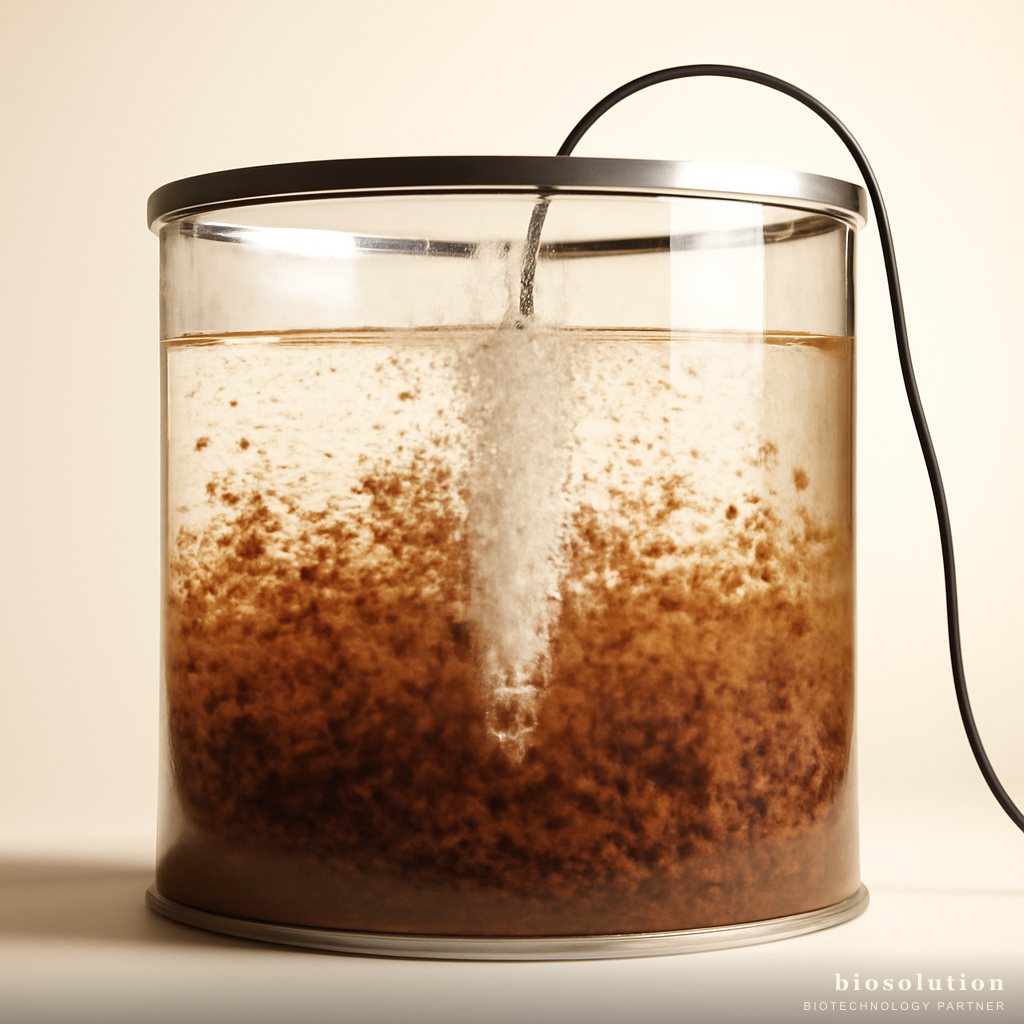
The combination of these two strains creates synergy: B. subtilis directly suppresses Vibrio populations through antimicrobial compounds, while B. licheniformis cleans the environment of leftover feed and biofilms that serve as hiding places for Vibrio. The result is a rapid knockdown of Vibrio populations within 24-48 hours.
Mechanism of Action
- Competitive exclusion: Bacillus grows faster and dominates the gut and environment, displacing Vibrio.
- Production of antibacterial compounds: Subtilin and surfactin damage Vibrio cell membranes.
- Biofilm degradation: Enzymes from B. licheniformis destroy the biofilm matrix protecting Vibrio.
- Immune stimulation: Bacillus cell wall components trigger shrimp immune response via the prophenoloxidase pathway.
Application Guide for Anti-Vibrio Pond Formula (Emergency)
Dosage per Hectare
The recommended dosage for emergency conditions is 10 liters per hectare. This is a shock treatment designed to drastically suppress Vibrio populations. For ponds with high severity (mortality >50%), the dose can be increased to 15 L/ha with prior technical consultation.
Application Frequency
- Initial application: One direct application.
- Repeat 48 hours later if conditions have not improved (Vibrio population still high or mortality continues).
- Maximum of two applications in one emergency cycle to avoid excessive Bacillus dominance that could disrupt microbial balance.
Best Application Time
Application is done in the morning (06:00-09:00). In the morning, water temperature is still low and dissolved oxygen is high enough, allowing Bacillus to adapt better. Avoid application during midday heat as UV rays can reduce bacterial viability. Ensure aeration is running optimally to distribute the probiotic evenly.
Application Method
- Preparation: Ensure aeration is running 30 minutes before application.
- Dosage: Measure 10 L of product for each hectare of pond area.
- Dilution: Mix the product with pond water at a 1:10 ratio (e.g., 10 L product + 100 L water) in a clean container.
- Spreading: Distribute the solution evenly across the entire pond surface, especially in aeration and feeding areas.
- Post-application: Maintain aeration for at least 4 hours after application. Do not change water or perform other treatments within the first 24 hours.
Monitoring
Measure water quality parameters (temperature, pH, salinity, oxygen) and count total Vibrio count (TVC) before and 24 hours after application. Target a TVC reduction of at least 2 log (99%). If TVC has not significantly decreased within 48 hours, reapply at the same dose.
Prevention Strategies and Integrated Management
Prevention is Better than Cure
Although the Anti-Vibrio Pond Formula (Emergency) is highly effective for emergency conditions, prevention remains key. Implement strict biosecurity programs, including:
- Quarantine of Vibrio-free postlarvae.
- Disinfection of water and equipment.
- Timely and appropriate feed management.
- Routine use of probiotics such as Vaname Shrimp Pond Probiotic to maintain microbial balance.
Integration with Other Products
For optimal results, combine with supporting products such as:
- Organic Pond Carbon to provide a carbon source for Bacillus.
- Mineral Trace Element to strengthen shrimp immunity.
Environmental Management
- Maintain temperature 28-32°C (optimal temperature for Bacillus).
- pH 7.5-8.5.
- Salinity 15-25 ppt.
- Dissolved oxygen >4 ppm.
Conclusion
EMS/AHPND in vaname shrimp can be effectively controlled with proper application of the Anti-Vibrio Pond Formula (Emergency). With a dosage of 10 L/ha, morning application, and a repeat after 48 hours if necessary, this product can rapidly knock down Vibrio and save ponds from mass mortality. The content of Bacillus subtilis and Bacillus licheniformis works synergistically through competition, antibiosis, and biofilm degradation. For best results, implement prevention strategies and integrated management. If you experience EMS/AHPND symptoms in your pond, immediately consult with Biosolution's technical team via WhatsApp for more specific application guidance.
Also read related articles: Probiotic Strategy for Vaname Shrimp Ponds and Understanding Vibrio in Shrimp.
External reference: FAO. (2022). Emerging diseases in shrimp aquaculture. FAO Fisheries and Aquaculture Circular No. 1234.