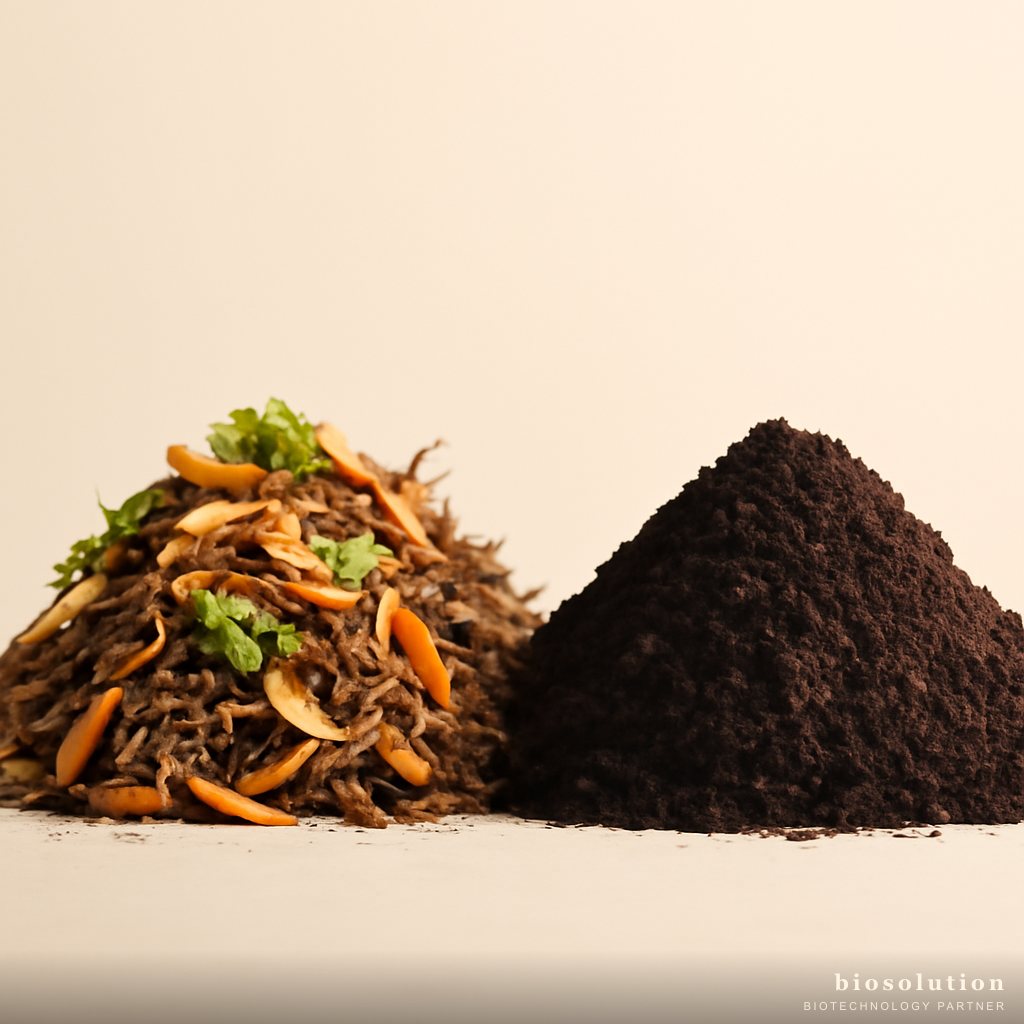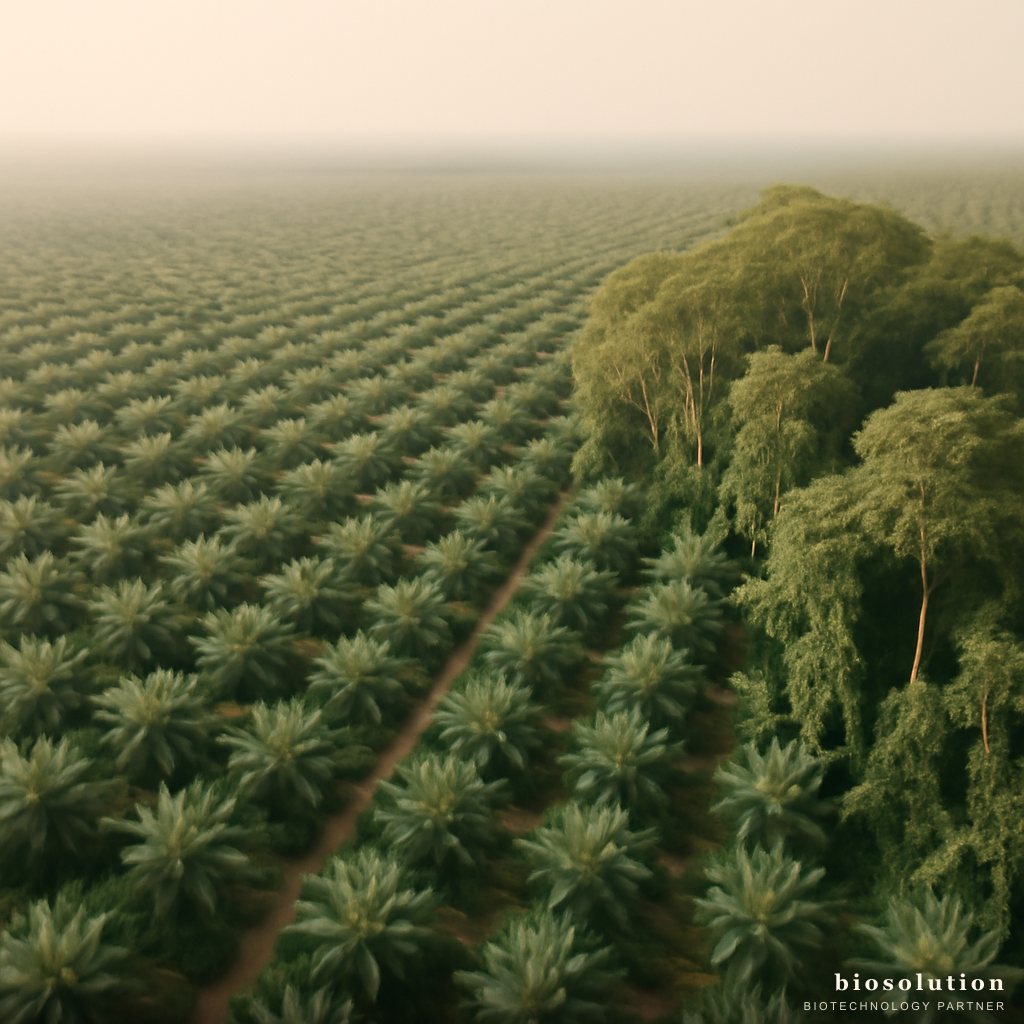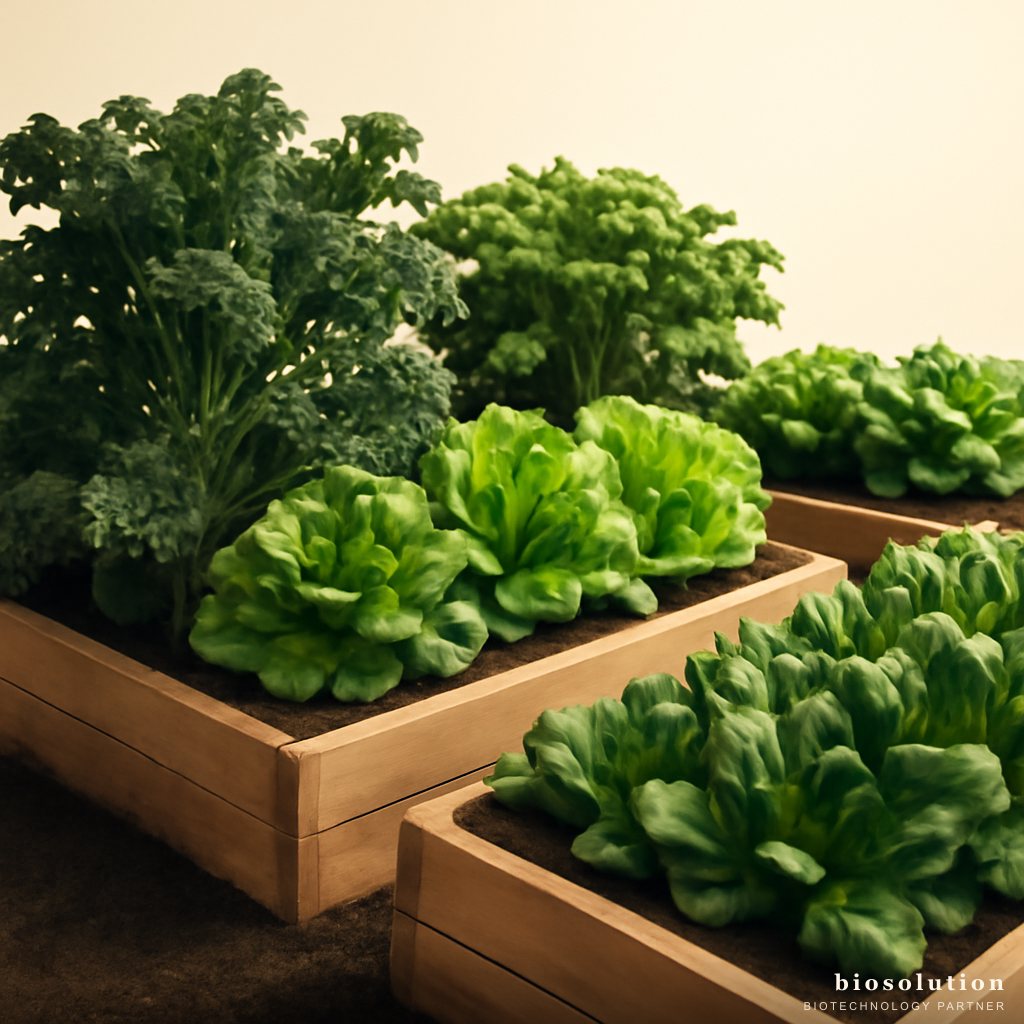
Foliar biofertilizer is now a mainstay for leafy vegetable farmers aiming for high-quality harvests. In the cultivation of leafy vegetables such as mustard greens, water spinach, spinach, and lettuce, the vegetative phase is a critical moment. Green, wide, and thick leaves not only determine aesthetics but also market value. However, many farmers still rely on synthetic chemical fertilizers which, in the long run, damage soil structure. This is where foliar biofertilizer plays a role as an environmentally friendly and sustainable solution. This article will thoroughly discuss 10 vegetative-phase POC (Liquid Organic Fertilizer) formulas specifically formulated to boost leaf growth. With a PGPR consortium, seaweed extract, and humic acid content, these products can increase nutrient availability, stimulate growth hormones, and improve soil health naturally.
What Is Foliar Biofertilizer?
Foliar biofertilizer is a type of organic fertilizer containing beneficial living microorganisms (bacteria, fungi, or PGPR consortium). Unlike chemical fertilizers that directly supply nutrients, biofertilizers work biologically by:
- Increasing nutrient availability: Microbes such as Pseudomonas and Bacillus can dissolve phosphate and potassium bound in the soil.
- Producing growth hormones: PGPR (Plant Growth Promoting Rhizobacteria) produce auxins, gibberellins, and cytokinins that stimulate leaf cell elongation and division.
- Suppressing pathogens: Antagonistic bacteria like Trichoderma protect roots from fungal rot.
- Improving soil structure: Humic and fulvic acids from organic matter act as nutrient carriers and increase cation exchange capacity.
In the context of regenerative agriculture, foliar biofertilizer is key to restoring soil ecosystems damaged by excessive chemical fertilizer use.
The Role of PGPR in Leaf Growth
The PGPR consortium (Plant Growth Promoting Rhizobacteria) consists of beneficial bacteria living around the root zone. Common strains include Bacillus subtilis, Pseudomonas fluorescens, and Azospirillum. How does PGPR make leaves greener and thicker?
- Nitrogen fixation: Azospirillum fixes atmospheric nitrogen into ammonia, which plants directly use for chlorophyll synthesis. More chlorophyll means greener leaves.
- Phosphate solubilization: Bacillus and Pseudomonas produce phytase enzymes and organic acids that release bound phosphorus. Phosphorus is essential for cell division and leaf tissue growth.
- Phytohormone production: PGPR produce auxin (IAA) to stimulate leaf cell elongation, gibberellins for cell division, and cytokinins to delay leaf senescence.
- Induced systemic resistance: PGPR trigger plant immune responses, making them more resistant to pest and disease attacks, reducing leaf drop.
Biosolution presents the Leaf Growth POC Formula with superior PGPR consortium tested in various vegetable centers. A dose of 3–5 ml per liter of water applied every 7–10 days via foliar spray or drench is enough to see significant differences within 2 weeks.
Seaweed Extract: Natural Source of Cytokinins
Seaweed extract (e.g., Ascophyllum nodosum) is rich in natural cytokinins, betaine, and micronutrients such as zinc, iron, and manganese. Cytokinins play a direct role in:
- Delaying leaf senescence: Cytokinins inhibit chlorophyll degradation, keeping leaves green longer.
- Stimulating cell division: In young leaves, cytokinins promote cell division, making leaves wider and thicker.
- Improving nutrient translocation: Betaine helps plants cope with drought and salinity stress, maintaining leaf cell turgor.
The combination of seaweed extract and PGPR in one formula creates synergy: PGPR provides nutrients, while cytokinins ensure those nutrients are optimally used for leaf growth.
Humic and Fulvic Acids: Multifunctional Nutrient Carriers
Humic and fulvic acids are humic compounds resulting from organic matter decomposition. They play important roles in foliar biofertilizers:
- Nutrient chelation: Humic acids bind metal ions (Fe, Zn, Mn) making them more easily absorbed by roots and leaves.
- Root stimulation: Fulvic acids stimulate lateral root and root hair growth, increasing water and nutrient uptake.
- pH buffering: Both help maintain soil pH in the optimal range (5.5–6.5) for microbial activity.
- Detoxification: Humic acids bind heavy metals and pesticides, reducing toxicity to plants.
With humic and fulvic acids, foliar biofertilizer not only provides nutrition but also improves the overall plant growing environment.
10 Vegetative-Phase POC Formulas for Greener and Thicker Leaves
Here are 10 POC formulas that can be made at home or purchased ready-to-use. However, for optimal results, use tested products such as Leaf Growth POC Formula from Biosolution.
- PGPR + Molasses POC: Mix 1 liter active PGPR with 10 liters water and 100 ml molasses. Ferment for 3 days. Rich in auxins and gibberellins.
- Seaweed Extract POC: Soak 1 kg dried seaweed in 10 liters water for 24 hours, blend, then strain. Rich in cytokinins.
- Humic Acid POC: Dissolve 100 grams humic acid in 10 liters warm water. Stir until dissolved.
- Compost Tea POC: Soak 1 kg mature compost in 10 liters water, aerate for 24 hours. Rich in microbes and nutrients.
- Fermented Cow Urine POC: Mix 1 liter cow urine with 10 liters water and 100 ml molasses. Ferment for 7 days. Rich in nitrogen and hormones.
- Bean Sprout + Brown Sugar POC: Blend 500 grams bean sprouts, mix with 10 liters water and 200 grams brown sugar. Ferment for 5 days. Rich in auxins.
- Golden Apple Snail POC: Boil 1 kg golden apple snails, take the water, mix with 10 liters water and 100 ml EM4. Ferment for 7 days. Rich in protein and chitin.
- Gliricidia Leaf POC: Crush 1 kg gliricidia leaves, soak in 10 liters water for 3 days. Rich in nitrogen and potassium.
- Tofu Waste POC: Mix 5 liters tofu waste with 5 liters water and 100 ml EM4. Ferment for 5 days. Rich in protein and lactobacillus.
- Multimicrobial POC: Combine PGPR, seaweed, and humic acid in one container. This is recommended for optimal synergy.
Proper POC Application for Maximum Results
To ensure foliar biofertilizer works optimally, pay attention to the following application techniques:
- Timing: Morning before 10 AM, when leaf stomata are wide open and temperatures are not yet high. Avoid midday because UV rays can kill microbes.
- Method: Spray evenly over the entire leaf surface (top and bottom) until wet, or drench the root zone.
- Dosage: 3–5 ml per liter of water for spray, or 5–10 ml per liter for drench. Do not overdose as it can burn leaves.
- Frequency: Every 7–10 days during the vegetative phase. If plants show deficiency symptoms, frequency can be increased to every 5 days.
- Combination: Can be mixed with organic pesticides (neem oil, Bt) as long as the mixture pH is neutral. Do not mix with chemical fertilizers because salts can kill microbes.
Regenerative Agriculture: Restoring Soil Health
Foliar biofertilizer is a key pillar in regenerative agriculture, an agricultural system aimed at restoring soil health, increasing biodiversity, and sequestering carbon. Unlike extractive conventional agriculture, regenerative agriculture:
- Minimizes tillage: Using biofertilizers reduces the need for plowing because microbes help loosen the soil.
- Closes nutrient cycles: PGPR and decomposers convert crop residues into natural compost.
- Reduces emissions: By replacing chemical fertilizers, N2O emissions are significantly reduced.
- Increases resilience: Plants treated with biofertilizers are more tolerant to drought and pest attacks.
Biosolution is committed to supporting regenerative agriculture through environmentally friendly, research-based biological products. By switching to foliar biofertilizer, farmers not only get greener and thicker leaves but also increasingly fertile soil from season to season.
Conclusion
Foliar biofertilizer containing PGPR, seaweed extract, and humic acid has proven effective in boosting leafy vegetable growth. With proper application (dose 3–5 ml/L, every 7–10 days), farmers can achieve greener, wider, and thicker leaves without harming the environment. Regenerative agriculture is no longer an option but a necessity for a sustainable food future. Start switching to biofertilizers now.
Want to know more? Consult your agricultural needs with the Biosolution team via WhatsApp. We are ready to help you achieve optimal harvests with biological solutions.