Generative Phase Stimulant POC: More Flowers and Fruits
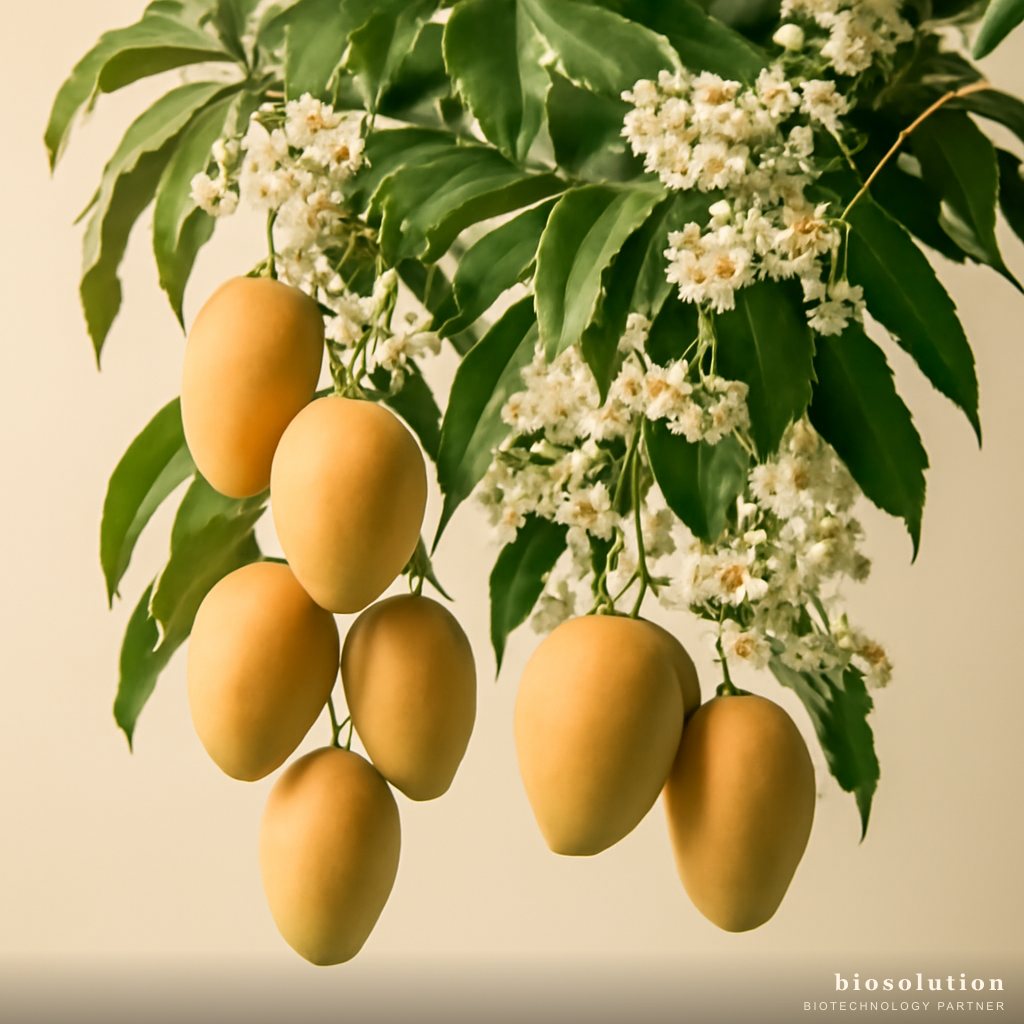
Every fruit farmer dreams of trees with abundant flowers and fruits. However, the generative phase—the transition from vegetative to reproductive—often poses challenges. Flowers easily drop, fruits fail to develop, or harvests are not uniform. This is where liquid organic fertilizer (POC) specifically formulated to stimulate flowers and fruits becomes key to success. With a regenerative agriculture approach relying on beneficial microbes, this POC not only boosts production but also maintains soil health sustainably.
Why Does the Generative Phase Often Fail?
The generative phase is a critical period when plants shift from leaf and stem growth (vegetative) to forming reproductive organs: flowers, fruits, and seeds. During this phase, plants require different nutrient intake—especially phosphorus (P) and potassium (K), as well as growth hormones like cytokinins and gibberellins.
Unfortunately, several factors often hinder the generative phase:
- Nitrogen excess: Stimulates excessive vegetative growth, making plants reluctant to flower.
- Environmental stress: Drought, extreme temperatures, or high humidity trigger flower abortion.
- Micronutrient deficiency: Boron, zinc, and molybdenum are essential for pollen and fruit formation.
- Unbalanced soil microbes: Dominance of pathogens or lack of phosphate-solubilizing microbes hinders nutrient availability.
Without proper intervention, yield potential can drop drastically. This is where generative phase stimulant POC comes as a solution.
The Role of Microbes in Stimulating Flowers and Fruits
Regenerative agriculture emphasizes restoring soil ecosystems through microbial activity. In the context of stimulating flowers and fruits, microbes play multifunctional roles:
1. PGPR (Plant Growth-Promoting Rhizobacteria)
PGPR consortia such as Bacillus spp., Pseudomonas spp., and Azospirillum spp. work by:
- Producing plant hormones: IAA (auxin), gibberellins, and cytokinins that directly trigger flowering.
- Solubilizing phosphate: Phosphorus bound in soil is converted into available forms, essential for flower and fruit formation.
- Non-symbiotic nitrogen fixation: Providing nitrogen in controlled amounts without triggering excessive vegetative growth.
- Suppressing pathogens: Reducing disease risk that can cause flower drop.
2. Potassium-Solubilizing Microbes
Potassium plays a role in carbohydrate transport to fruits and improves fruit quality. Bacteria like Bacillus mucilaginosus help release potassium from soil minerals.
By applying POC containing PGPR, farmers not only provide nutrients but also activate a natural "hormone factory" in the rhizosphere. The result is more uniform flowering and more fruits.
POC Formula for Flower & Fruit Trigger: Superior Composition
One product specifically designed for the generative phase is Flower & Fruit Trigger POC Formula. This product combines three main synergistic components:
PGPR Consortium
Contains various Bacillus and Pseudomonas strains proven to produce flower-stimulating hormones. These microbes also increase phosphorus and potassium availability in the soil, ensuring essential nutrients are available on time.
Seaweed Extract
Rich in natural cytokinins, auxins, and micronutrients like zinc, boron, and manganese. Cytokinins stimulate cell division in flower buds, while boron is essential for pollen viability and fruit set.
Humic & Fulvic Acids
Act as nutrient carriers and root stimulants. Humic acid increases soil cation exchange capacity, making nutrients more easily absorbed. Fulvic acid helps transport nutrients to generative tissues.
This combination works holistically: PGPR triggers hormones, seaweed extract provides phytohormones and micronutrients, while humic acids ensure all nutrients are available and optimally absorbed.
Proper Application for Maximum Results
For generative phase stimulant POC to work optimally, application must be at the right dose and time. Here is a practical guide:
Application Methods
- Foliar spray: Spray onto the entire leaf surface, especially the underside where stomata are open. This method is most effective for rapid absorption.
- Soil drench: Pour around the root zone to stimulate soil microbial activity and nutrient uptake.
Dosage and Frequency
- Dosage: 3–5 ml per liter of water. For large trees, can be increased to 10 ml/liter.
- Frequency: Every 7–10 days during the generative phase (from early flower emergence until fruit hardens).
- Best time: Morning before 10 AM, when stomata are still wide open and temperature is not too hot.
Additional Tips
- Avoid application during rain or strong wind.
- Mix with a sticker/adjuvant if needed, especially for waxy leaves.
- For optimal results, combine with base fertilization high in P and K.
Real Results: Weight Increase and Drop Reduction
Field trials show that consistent use of generative phase stimulant POC can increase yield weight per tree by 15–25% and reduce flower/fruit drop by up to 30%. These figures are achieved thanks to:
- Improved availability of micro and macro nutrients.
- Stimulation of endogenous flowering hormones.
- Strengthening of plant tissues so flowers and fruits do not easily fall.
Additionally, fruit quality improves: more uniform size, brighter color, and longer shelf life. This is important for farmers supplying fresh markets or processing industries.
Regenerative Agriculture: More Than Just Fertilizer
Adopting generative phase stimulant POC is not just about harvest results, but also a long-term investment in soil health. Regenerative agriculture aims to restore carbon cycles, increase soil biodiversity, and reduce dependence on chemical inputs.
The microbes in POC, such as PGPR, continue to thrive in the rhizosphere and form mutualistic symbiosis with roots. They help decompose organic matter, improve soil structure, and increase water retention. As a result, soil becomes more resilient to drought and disease.
By switching to microbe-based organic products, farmers not only boost current production but also bequeath fertile land for future generations.
Conclusion
Stimulating flowers and fruits is key to successful fruit cultivation. Generative phase stimulant POC containing PGPR consortium, seaweed extract, and humic acid provides an integrated solution: triggering flowering hormones, providing micronutrients, and naturally improving soil. With regular application every 7–10 days, farmers can enjoy yield weight increases of up to 25% and reduction in flower/fruit drop of up to 30%.
Interested in trying? Consult your needs with our expert team via WhatsApp for dosage recommendations and application schedules tailored to your crop. Or directly view the product Flower & Fruit Trigger POC Formula for more information.
FAQ
Is generative phase stimulant POC safe for fruit plants that are already fruiting?
Yes, it is safe. This product is formulated from organic materials and microbes that leave no harmful residues. Application is still recommended during the generative phase (from early flower to fruit hardening) for optimal results.
How long does it take to see effects after application?
Initial effects are usually visible within 3–7 days after application, indicated by new flower emergence or reduced flower drop. For significant results in fruit weight, regular application for 2–3 times is needed.
Can this POC be mixed with chemical pesticides?
It is best not to mix directly because chemical pesticides can kill PGPR microbes. If pesticide application is necessary, allow a gap of at least 2–3 days.
Is this product suitable for all types of fruit?
Yes, this product is suitable for perennial fruit plants (mango, durian, citrus, avocado) as well as annuals (chili, tomato, melon). Dosage and frequency can be adjusted to specific needs.
How to store diluted POC?
POC solution mixed with water should be used within 1–2 hours. Do not store because microbes may die and effectiveness decreases.