Green Water Transparency: How to Properly Apply the Tilapia Pond Probiotic Formula
Dark green or turbid pond water often signals an ecosystem imbalance. For intensive tilapia farmers, green water transparency is not just about aesthetics but an indicator of water quality affecting fish health and growth. Green color caused by phytoplankton blooms can indicate high ammonia and organic matter levels. To address this, a biological approach using specific probiotics offers a sustainable solution. This article will guide you in applying the Biosolution Tilapia Pond Probiotic Formula, complete with dosage, frequency, and timing.
Why Manage Green Water Transparency?
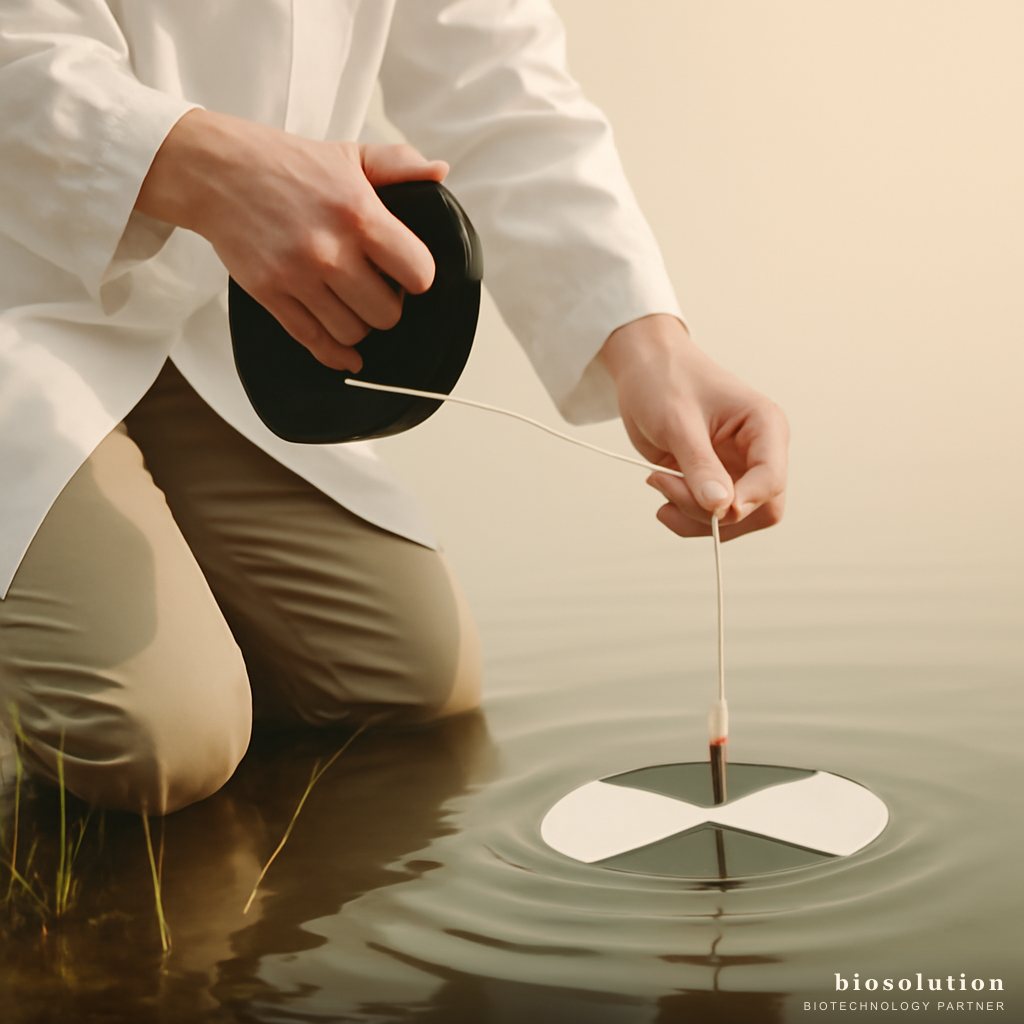
Water transparency is measured using a Secchi disk. In intensive tilapia ponds, ideal transparency ranges from 30-40 cm. If too low (very green/turbid water), light penetration is limited, phytoplankton die off massively, and dissolved oxygen drops sharply. This condition stresses fish, reduces appetite, and increases mortality risk. Phytoplankton blooms are also often accompanied by spikes in toxic ammonia (NH₃). Therefore, managing green water transparency is equivalent to managing organic load and the nitrogen cycle.
The Role of Probiotics in Clarifying Pond Water
Probiotics contain beneficial bacteria that work synergistically. The Biosolution Tilapia Pond Probiotic Formula contains three superior strains:
- Nitrosomonas sp.: Oxidizes ammonia to nitrite.
- Nitrobacter sp.: Oxidizes nitrite to safer nitrate.
- Bacillus subtilis: Decomposes uneaten feed, feces, and other organic matter.
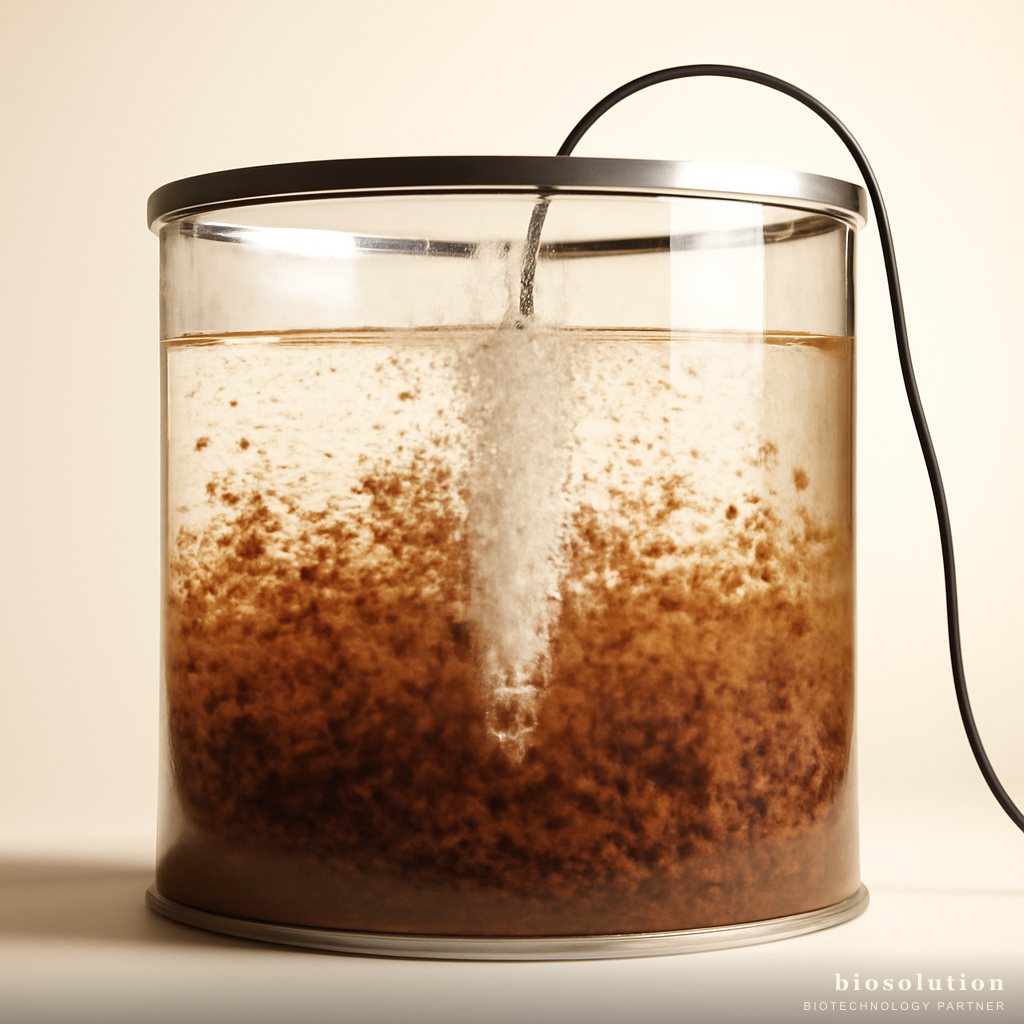
This combination accelerates the nitrogen cycle, reduces organic load, and directly helps control nutrient availability for phytoplankton. As a result, phytoplankton blooms decrease, water transparency increases, and green color becomes more stable.
Compare with the Catfish Pond Probiotic Formula which is specially formulated for catfish needs. Although both are Bacillus-based, the composition and dosage differ.
How to Apply the Tilapia Pond Probiotic Formula
Correct Dosage per Hectare
The recommended dosage is 2 liters per 1000 m³ of water. If your pond has a volume of 2000 m³, you need 4 liters of probiotic. For a 1-hectare pond with an average depth of 1.5 meters, water volume is about 15,000 m³, requiring 30 liters. Ensure the probiotic is homogenized with pond water before application.
Application Frequency
The ideal frequency is every 7 days. This interval keeps the bacterial population active and stable. During the first week of use, application can be done twice (day 0 and day 4) to accelerate biofilm formation. After that, once a week is sufficient.
Best Time: Morning
Morning application (around 07:00-09:00) offers several advantages:
- Water temperature is still low, dissolved oxygen is high, so aerobic bacteria like Nitrosomonas and Nitrobacter work optimally.
- Phytoplankton are not yet fully photosynthesizing, so nutrient competition is lower.
- Fish are more active in feeding after probiotic application, as probiotics also stimulate appetite.
Application Method
- Dilute the probiotic with pond water (1:10) in a bucket.
- Spread evenly over the entire pond surface, especially in aeration areas.
- Turn on aerators for 1-2 hours after application to aid distribution.
Case Study: Transparency Improvement in 2 Weeks
A tilapia farmer in West Java with a 2000 m² pond (volume 3000 m³) complained of dark green water (transparency 15 cm). After applying the Tilapia Pond Probiotic Formula at the recommended dosage (6 liters/week), transparency increased to 28 cm by the second week. Ammonia dropped from 2 ppm to 0.5 ppm. Fish became more active and growth more uniform. This case demonstrates the effectiveness of probiotics in managing green water transparency.
Additional Tips for Maximum Results
- Combine with feed management: Reduce feed if ammonia is high. Use feed with 28-30% protein.
- Sufficient aeration: Ensure aerators run 24 hours, especially at night.
- Regular water quality testing: Key parameters: temperature (27-30°C), pH (6.5-8.0), DO (>4 mg/L), ammonia (<1 ppm).
- Avoid simultaneous chemical use: Chlorine or disinfectants can kill probiotic bacteria. Allow at least 3 days gap.
For a more complete solution, see the Aquaculture Solutions page from Biosolution.
Conclusion
Managing green water transparency in intensive tilapia ponds is not complicated if using the right probiotics. The Biosolution Tilapia Pond Probiotic Formula, at a dosage of 2 L/1000 m³ every 7 days in the morning, can improve water quality, suppress phytoplankton blooms, and support optimal fish growth. With this microbiological approach, farmers can increase stocking density without compromising fish health. Want further consultation? Contact the Biosolution team via WhatsApp for specific recommendations based on your pond conditions.
This article is compiled based on product technical data and scientific references. For more information on aquaculture probiotics, visit FAO or the Marine and Fisheries Research Agency.