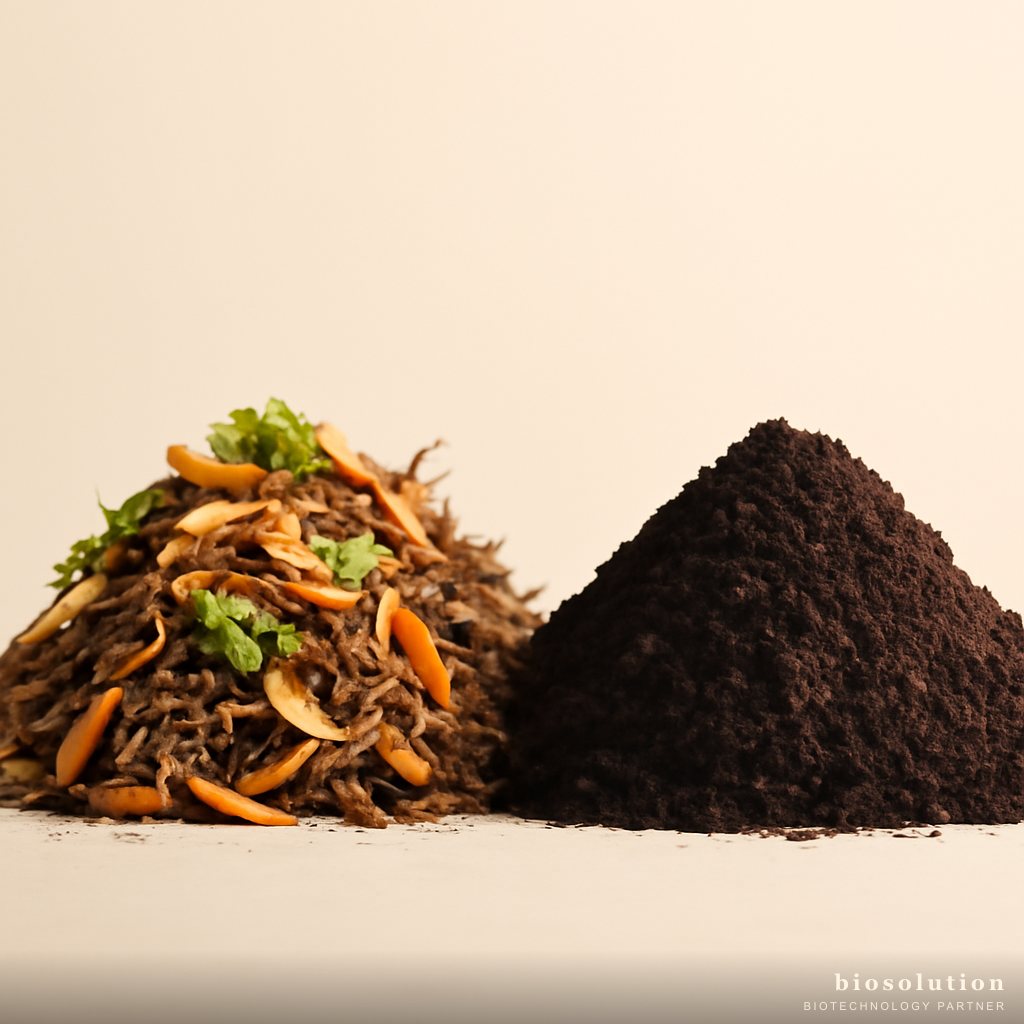
How to Fix Hard and Dry Soil After Chemical Fertilizer Overdose
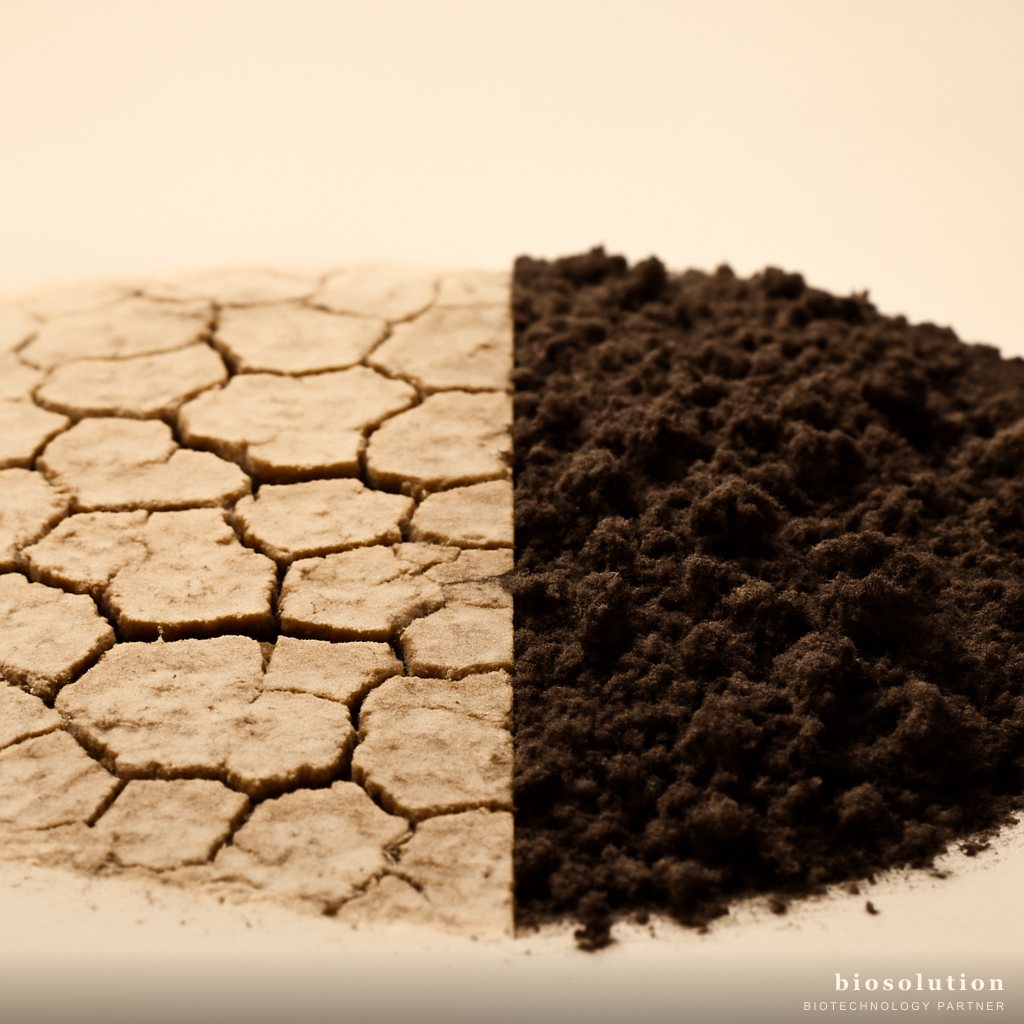
Hard and dry soil is a nightmare for farmers. When soil loses its crumb structure, water cannot infiltrate, roots struggle to penetrate, and any added chemical fertilizers only evaporate or leach away. Ironically, this condition is often triggered by excessive use of chemical fertilizers, which were intended to boost crop yields. So, how to fix hard and dry soil after chemical fertilizer overdose? A biological approach utilizing soil microbes offers an effective and sustainable solution.
Why Do Chemical Fertilizers Make Soil Harder?
Chemical fertilizers, especially synthetic nitrogen fertilizers like urea, in high doses can disrupt the soil microbial balance. Fertilizer salts bind clay and silt particles, causing soil aggregate dispersion. As a result, soil pores shrink, water infiltration decreases, and the soil becomes compacted. Additionally, salt accumulation increases osmotic pressure, making it difficult for roots to absorb water even when the soil appears moist. This is why fixing hard and dry soil cannot rely solely on chemical fertilizers, as they only worsen the problem.
Biological Approach: Soil Bacteria as Soil Structure Engineers
Unlike chemical fertilizers that work physico-chemically, soil microbes work biologically to form soil aggregates. Bacteria such as Azotobacter sp. and Azospirillum sp. produce exopolysaccharides (EPS) that act as natural glue, binding soil particles into stable aggregates. Meanwhile, Bacillus megaterium solubilizes bound phosphate and potassium while producing compounds that stimulate root growth. The combination of these three bacteria in the Soil Structure Improvement Formula from Biosolution is key to fixing hard and dry soil.
Soil Structure Improvement Formula: Composition and Mechanism
Azotobacter sp.: Nitrogen Fixer and EPS Producer
Azotobacter sp. is a non-symbiotic nitrogen-fixing bacterium that can convert atmospheric N₂ into ammonia available to plants. More importantly, it produces large amounts of EPS. EPS forms a biofilm that coats soil particles, enhancing aggregate stability and water-holding capacity. With regular application, previously hard soil becomes loose and crumbly.
Azospirillum sp.: Root Stimulant and N₂ Fixer
Azospirillum sp. also fixes nitrogen, but its strength lies in producing phytohormones such as auxins and gibberellins. These hormones stimulate the growth of lateral roots and root hairs, enabling roots to penetrate compacted soil. More roots also mean more exudates that feed microbes, creating a positive cycle of soil improvement.
Bacillus megaterium: Phosphate and Potassium Solubilizer
Bacillus megaterium is a phosphate- and potassium-solubilizing bacterium that produces organic acids. These acids dissolve fixed phosphate and potassium in the soil, making them available to plants. Additionally, its activity increases soil CEC, reduces aluminum toxicity, and improves aeration. With these three bacteria, the Soil Structure Improvement Formula becomes a comprehensive solution for fixing hard and dry soil.
Proper Application for Maximum Results
Applying the Soil Structure Improvement Formula is very easy. Simply mix 10 ml of product per liter of water, then drench the root zone or spray onto the soil during tillage. Apply every 30 days, at least 3 times per growing season. The best time is at the start of the rainy season or after tillage, as moisture helps bacteria colonize. Ensure the soil is not too dry during application to prevent bacterial death. With consistency, hard soil will become loose within 1-2 seasons.
Case Study: Recovery of Soil After Fertilizer Overdose
On a farm in Central Java, farmers complained that the soil became hard and cracked after years of high-dose chemical fertilizer use. After applying the Soil Structure Improvement Formula three times, changes were observed: the soil was easier to till, rainwater infiltrated quickly, and corn plants showed deeper root growth. Yields increased by 30% compared to the previous season. This proves that the biological method of fixing hard and dry soil is effective and economical.
Advantages of Biological Approach Over Chemical
Chemical fertilizers only provide instant nutrients without improving soil structure. In contrast, the Soil Structure Improvement Formula works from within: bacteria improve aggregation, increase porosity, and restore the soil ecosystem. The results are long-term and sustainable. Moreover, this product is environmentally safe, leaves no harmful residues, and is compatible with organic farming. For farmers transitioning from conventional to organic, this product is the perfect bridge.
Conclusion
Fixing hard and dry soil after chemical fertilizer overdose requires a different approach: not by adding more chemical fertilizers, but by restoring soil life. The Soil Structure Improvement Formula from Biosolution, with bacteria Azotobacter sp., Azospirillum sp., and Bacillus megaterium, offers a biological solution proven to improve soil structure, increase water-holding capacity, and restore fertility. With regular application at the recommended dosage, your soil will become loose, fertile, and productive again. For more information, contact the Biosolution team via WhatsApp.
FAQ
1. How long does it take for hard soil to improve after applying the Soil Structure Improvement Formula?
Improvement can be seen after 2-3 applications (1-2 months), depending on the degree of soil damage. For very hard soil, 1-2 growing seasons may be needed for significant change. Consistent application every 30 days is crucial.
2. Is this product safe for living plants?
Very safe. The Soil Structure Improvement Formula contains non-pathogenic bacteria that are actually beneficial to plants. Drenching around the root zone will not damage roots; instead, it stimulates their growth.
3. Can this product be combined with chemical fertilizers?
Yes, but it is recommended to gradually reduce the dose of chemical fertilizers. Microbes work more optimally when salt pressure is low. Ideally, use this product as part of a transition to organic farming.
4. Is this product suitable for all types of plants?
Yes, the Soil Structure Improvement Formula is suitable for food crops, horticulture, plantations, and perennial plants. Its focus on soil improvement benefits almost all plant types.
5. How should I store the product after mixing with water?
The diluted mixture should be used within 24 hours. Do not store it longer as bacteria may die. Store the product in its original packaging in a cool, dry place.