Improving Coastal Saline Soil with Soil Structure Improvement Formula
Saline soil in coastal agricultural land is a serious challenge for crop productivity. High sodium salt accumulation causes soil structure degradation, reduced water holding capacity, and nutrient imbalance. However, with a regenerative agriculture approach, we can improve coastal saline soil naturally using soil microbes. Biosolution presents the Soil Structure Improvement Formula containing a consortium of superior bacteria to restore soil health sustainably.
Why Coastal Saline Soil Needs Improvement?
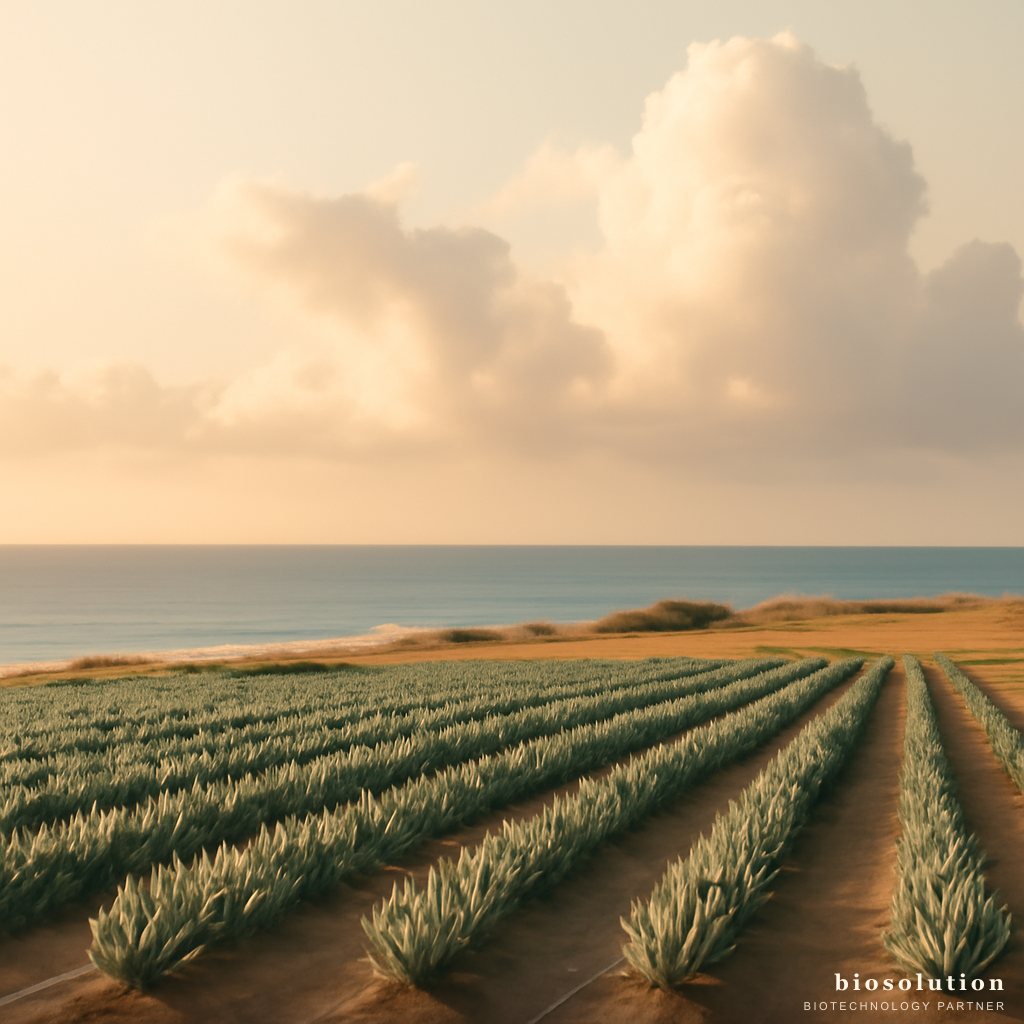
Coastal saline soil generally has high salt content due to seawater intrusion or improper irrigation management. This condition causes:
- Soil structure degradation: Sodium ions replace calcium and magnesium on the exchange complex, causing soil aggregates to break down and soil to become compact.
- Decreased porosity: Saline soil tends to be clayey and less porous, hindering aeration and drainage.
- Nutrient uptake disruption: Excess salt inhibits absorption of essential nutrients such as nitrogen, phosphorus, and potassium.
- Osmotic stress on plants: Plants struggle to absorb water due to high soil osmotic potential, similar to drought conditions.
Therefore, improving coastal saline soil is a crucial first step to increase agricultural productivity in coastal areas.
Role of Microbes in Regenerative Agriculture for Saline Soil
Regenerative agriculture emphasizes restoring soil health through natural biological processes. Soil microbes play a key role in improving saline soil by:
1. Exopolysaccharide (EPS) Production
Some bacteria such as Azotobacter sp. produce EPS that acts as a glue for soil particles. EPS helps form stable soil aggregates, improves porosity, and enhances drainage. Additionally, EPS binds sodium ions, reducing salt toxicity.
2. Nitrogen Fixation and Phosphate Solubilization
Nitrogen-fixing bacteria like Azotobacter sp. and Azospirillum sp. provide nitrogen to plants, while Bacillus megaterium solubilizes bound phosphate and potassium in the soil. Adequate nutrient availability helps plants better tolerate salinity stress.
3. Root Growth Stimulation
Azospirillum sp. produces growth hormones such as auxin that stimulate root development. Longer and more branched roots improve water and nutrient uptake, while also improving soil structure.
Soil Structure Improvement Formula: The Right Solution for Saline Land
The Soil Structure Improvement Formula from Biosolution is a biological product specifically formulated to rehabilitate damaged soils, including saline soil. This product contains three superior bacterial strains:
- Azotobacter sp.: Nitrogen fixer and EPS producer that improves soil aggregation.
- Azospirillum sp.: Nitrogen fixer and root growth stimulant.
- Bacillus megaterium: Phosphate and potassium solubilizer, increasing nutrient availability.
These three bacteria work synergistically to restore soil structure, increase water holding capacity, and improve CEC (Cation Exchange Capacity). With regular application, saline soil can become productive again within a few growing seasons.
Application Method
- Dosage: 10 ml per liter of water
- Method: Drench or spray onto soil during land preparation
- Frequency: Every 30 days, 3 times per growing season
- Best time: Early rainy season or after tillage
Consistent application will boost beneficial microbial populations in the rhizosphere, so soil improvement occurs naturally and sustainably.
Practical Steps to Improve Coastal Saline Soil
1. Initial Soil Analysis
Test salt content (EC) and soil pH to determine salinity level. Soil with EC > 4 dS/m is already saline and requires improvement.
2. Irrigation Water Management
Reduce use of brackish water. If possible, perform salt leaching with fresh water before the growing season.
3. Application of Organic Matter
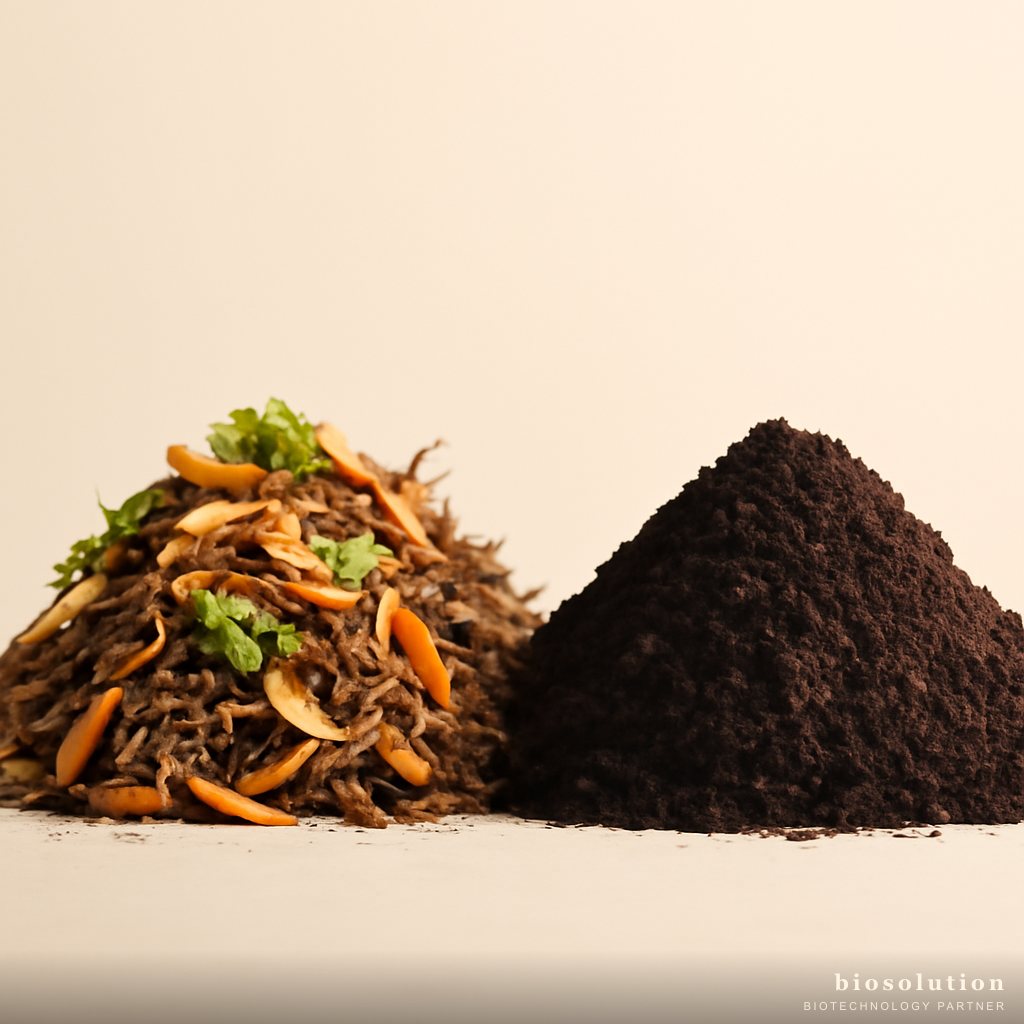
Add compost or manure to increase soil organic matter. Organic matter helps bind salt and provides food for microbes.
4. Microbial Inoculation with Soil Structure Improvement Formula
Apply the product according to the recommended dosage. Microbes will work to improve soil structure and increase fertility.
5. Selection of Salt-Tolerant Plants
Plant salt-tolerant varieties such as superior rice varieties, mung beans, or vetiver grass to accelerate recovery.
6. Crop Rotation and Cover Crops
Avoid monoculture. Use cover crops to protect the soil surface from excessive evaporation that worsens salinity.
Benefits of Using Soil Structure Improvement Formula
- Improves soil structure and porosity: Soil aggregates are more stable, aeration and drainage increase.
- Increases water holding capacity: Soil can retain water longer, reducing irrigation frequency.
- Improves CEC and nutrient availability: Nutrients such as N, P, K are more available to plants.
- Increases productivity of marginal land: Crop yields increase even on saline land.
Research data shows that application of Azotobacter and Bacillus consortium can reduce soil salinity by up to 30% in one growing season (source: Journal of Soil Science and Environment).
Conclusion
Improving coastal saline soil is not an instant matter, but with a regenerative agriculture approach using soil microbes, the recovery process can occur naturally and effectively. The Soil Structure Improvement Formula from Biosolution offers a science-based, environmentally friendly solution. With regular application and proper land management, previously unproductive saline land can become fertile again and produce optimal yields.
Interested in trying? Consult your land conditions with the Biosolution expert team via WhatsApp for more specific recommendations.
FAQ
What is meant by coastal saline soil?
Coastal saline soil is soil in coastal areas that has high salt content due to seawater intrusion or excessive evaporation. Characteristics include a white layer on the soil surface, stunted plant growth, and soil EC values above 4 dS/m.
How does the Soil Structure Improvement Formula work?
This product contains Azotobacter sp., Azospirillum sp., and Bacillus megaterium bacteria that work synergistically. Azotobacter produces EPS to improve soil aggregates, Azospirillum stimulates root growth, and Bacillus solubilizes phosphate and potassium. As a result, soil structure improves, nutrients become available, and plants are more tolerant to salinity.
How long does it take to improve saline soil?
Significant improvement is usually seen after 1-2 growing seasons with regular application every 30 days. However, initial soil conditions and irrigation management greatly influence the recovery speed.
Is this product safe for the environment?
Very safe. This product is based on natural non-pathogenic microbes, contains no synthetic chemicals, and is friendly to the soil ecosystem. Suitable for organic and sustainable agriculture.
Where can I buy the Soil Structure Improvement Formula?
The product is available at Biosolution partner agricultural stores or can be ordered directly via official WhatsApp. For more information, visit our product page.