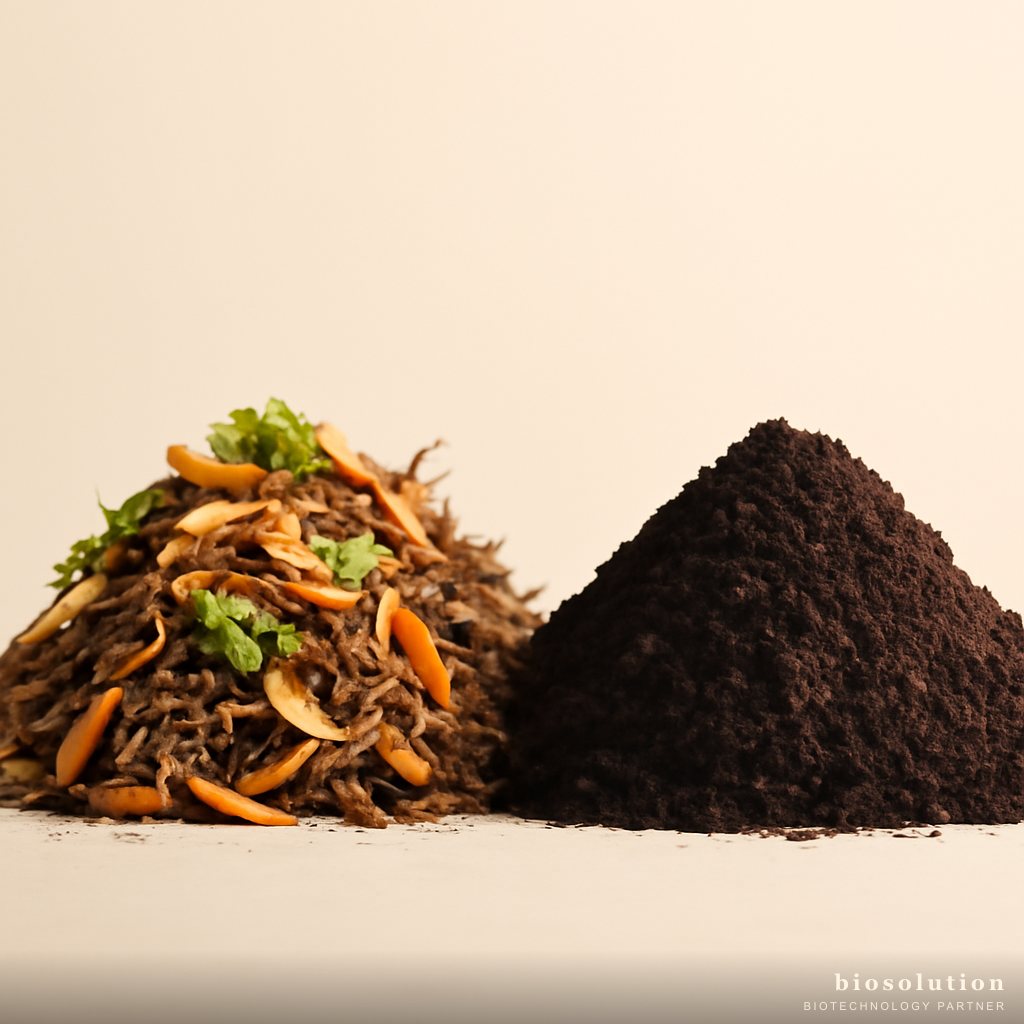
Large-Area Granular Biofertilizer: 4 Formulas for Spreader Machines in B2B Plantations
Large-scale plantations face challenges in efficiently applying biofertilizers. Large-area granular biofertilizer offers a practical solution that can be applied using spreader machines, saving labor and time. Biosolution presents a special formula with four superior microbes that work synergistically to improve soil fertility and crop productivity. This article thoroughly discusses proper application methods: dosage, frequency, and spreading timing for optimal results.
Why Granular Biofertilizer is Suitable for Large Areas?
Granular biofertilizer is designed to ease application on large plantation areas. Unlike liquid biofertilizers that require sprayers and water mixing, granules can be spread directly using mechanical or manual spreaders. The 2–4 mm granule size is ideal for standard spreader nozzles, ensuring even distribution without clogging.
Another advantage is gradual nutrient release. Microbes in the granules are protected by an organic matrix, maintaining high viability for up to 24 months. When granules contact soil moisture, microbes slowly activate and begin working. This reduces application frequency and nutrient leaching risk.
Main Advantages:
- Easy application with spreader machines
- Gradual nutrient release
- Organic content increases soil C-organic
- Labor savings up to 50% compared to liquid biofertilizers
Composition of 4 Superior Microbial Formulas
The Large-Area Granular Biofertilizer formula contains four microbial strains selected for their specific roles in improving soil fertility and plant health. Details are as follows:
1. Rhizobium sp. – N₂ Fixer for Legumes
Rhizobium sp. symbiotically associates with legume roots (beans, soybeans, lamtoro) forming root nodules capable of fixing atmospheric nitrogen. With a minimum population of 10⁹ CFU/g, each hectare receives up to 50–100 kg N/ha per season of biological nitrogen, reducing urea fertilizer needs.
2. Bacillus subtilis – Phosphate Solubilizer and Biocontrol
Bacillus subtilis produces phosphatase enzymes and organic acids that solubilize bound phosphates in soil, increasing P availability for plants. Additionally, this bacterium produces natural antibiotics that suppress soil pathogens such as Fusarium and Rhizoctonia.
3. Azospirillum sp. – Associative N₂ Fixer
Azospirillum sp. lives in the rhizosphere of non-legume plants like rice, corn, and sugarcane. This bacterium fixes N₂ and provides it associatively, enhancing root growth and nutrient uptake.
4. Pseudomonas fluorescens – Antagonist of Soilborne Pathogens
Pseudomonas fluorescens produces siderophores that bind iron ions, depriving pathogens of Fe. It also produces antibiotics and lytic enzymes that control bacterial wilt and root fungal diseases.
5. Trichoderma sp. – Soil Fungus Biocontrol
Trichoderma sp. is a fast-growing antagonistic fungus that parasitizes pathogenic fungi such as Sclerotium and Pythium. It also enhances organic matter decomposition and stimulates root growth.
Proper Application Methods for Maximum Results
Application of granular biofertilizer must be adjusted to crop type, soil conditions, and season. Here is the technical guide from Biosolution:
Dosage: 100–250 kg per Hectare
Dosage depends on crop needs and soil fertility status. For legumes, 100–150 kg/ha is sufficient because Rhizobium is specific. For non-legume crops like corn or sugarcane, increase dosage to 150–250 kg/ha. Conduct soil tests to determine the exact dosage.
Frequency: 1–2 Times per Growing Season
The first application is done during soil tillage or planting. A second application (if needed) is done during the active vegetative phase (4–6 weeks after planting). On low-fertility land, two applications give better response.
Timing: Early Rainy Season or During Tillage
Microbes need moisture to activate. Application at the start of the rainy season ensures granules are immediately exposed to water. If irrigation is available, application can be done anytime as long as the soil is moist. Avoid application during dry or scorching hot conditions.
Spreading Method
Use a spreader machine with settings adjusted to the dosage. Ensure granules are evenly distributed around the root zone or planting rows. After spreading, immediately cover with a thin layer of soil (1–2 cm) or water to ensure granule-soil contact.
Advantages of Application with Spreader Machines
Spreader machines provide high efficiency on large areas. With a capacity of 1–2 ha/hour, labor is drastically reduced. The 2–4 mm granule size ensures no nozzle clogging. Even distribution also avoids local overdosing that could harm plants.
Tips for Combining with Chemical Fertilizers
Granular biofertilizer can be combined with inorganic chemical fertilizers. Avoid direct mixing in the spreader machine because chemical fertilizer salts can kill microbes. Apply sequentially: spread chemical fertilizer 1–2 days before biofertilizer, or vice versa. Maintain a minimum interval of 24 hours.
Performance Data and Shelf Life
Each granule contains a minimum of 10⁹ CFU/g total microbes. Shelf life reaches 24 months in sealed packaging at room temperature. Field trials show a 15–30% increase in crop yield for corn and soybeans compared to controls without biofertilizer.
For more information about this product, visit the product page or see sustainable farming solutions.
Conclusion
Biosolution's large-area granular biofertilizer offers an efficient solution for B2B plantations. With 4 superior microbial formulas, easy application using spreader machines, and a dosage of 100–250 kg/ha, farmers can sustainably increase soil productivity. Consult your land needs with our team via WhatsApp for precise dosage and application schedule recommendations.
FAQ
1. Can granular biofertilizer be mixed with chemical fertilizers in one application?
It is best not to mix directly because chemical fertilizer salts can suppress microbial viability. Apply separately with a minimum interval of 24 hours. For example, spread chemical fertilizer first, then granular biofertilizer the next day.
2. How long does it take to see the effects of granular biofertilizer?
Initial effects are usually visible 2–4 weeks after application, indicated by more root growth and greener leaf color. Yield increase is only seen at the end of the growing season.
3. Is granular biofertilizer safe for the environment?
Very safe. The microbes used are natural non-pathogenic strains. The granules also contain organic matter that improves soil structure. No harmful residues remain.
4. How should granular biofertilizer be stored?
Store in a cool (15–30°C), dry place away from direct sunlight. Do not freeze. Keep packaging tightly sealed. This way, shelf life reaches 24 months.
5. Can it be used for all types of plants?
Yes, especially for legumes (soybeans, peanuts) and non-legumes (corn, rice, sugarcane, vegetables). For legumes, Rhizobium provides specific benefits. Consult an expert for specific recommendations.