Liquid Organic Fertilizer for Tomatoes: 10 POC Formulas to Trigger Flowers & Fruits
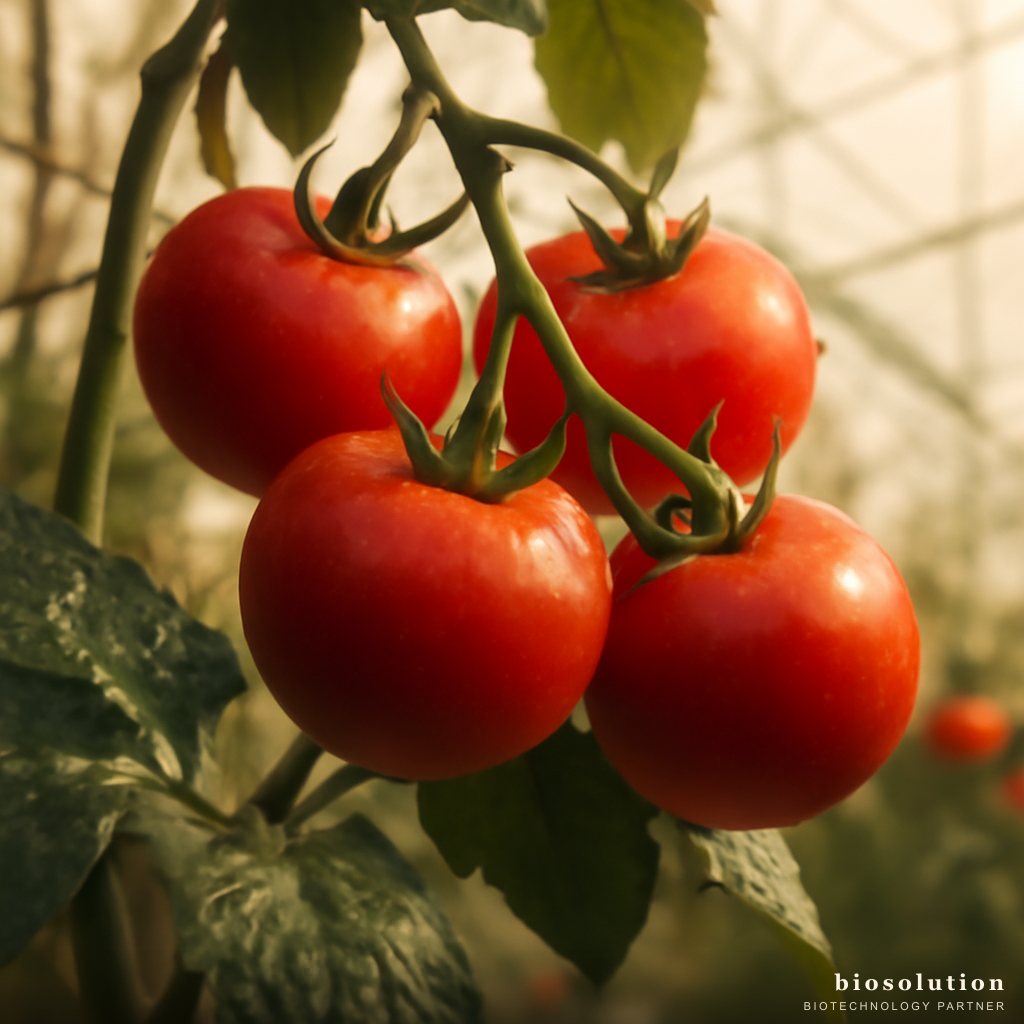
Tomato farmers often face challenges in the generative phase: flower drop, small fruits, or lack of sweetness. The solution is not just increasing chemical fertilizer doses, but using liquid organic fertilizer for tomatoes specially formulated to trigger flowering and fruiting. POC (Liquid Organic Fertilizer) formulas with PGPR consortium, seaweed extract, and humic acid have been scientifically proven to improve crop quality. This article discusses 10 flagship POC formulas that can be applied to hydroponic or soil-grown tomatoes, and how soil microbes play a role in regenerative agriculture.
Why Do Tomatoes Need Special POC for the Generative Phase?
Tomatoes are highly responsive to nutrients, especially during the transition from vegetative to generative phase. Deficiencies in micronutrients like boron, zinc, and molybdenum often cause flower drop or imperfect fruits. Liquid organic fertilizer for tomatoes containing PGPR (Plant Growth-Promoting Rhizobacteria) can naturally produce phytohormones such as auxins, gibberellins, and cytokinins. These hormones stimulate flower and fruit formation while reducing drop. Additionally, seaweed extract is rich in cytokinins and micronutrients that are directly absorbed by plants. Humic and fulvic acids act as chelating agents that increase nutrient availability in the rhizosphere.
The Role of Microbes in Regenerative Agriculture
Regenerative agriculture emphasizes restoring soil health through microbial activity. PGPR such as Bacillus subtilis and Pseudomonas fluorescens not only promote plant growth but also suppress soil pathogens. When we use POC containing live microbes, we enrich soil biodiversity. This is important for tomatoes because healthy roots produce sweeter, more nutritious fruits. Research from FAO shows that PGPR application can increase tomato yields by up to 30%.
10 POC Formulas to Trigger Flowers & Fruits for Tomatoes
Below are 10 liquid organic fertilizer formulas for tomatoes that can be made at home or purchased ready-made. The main focus is PGPR content, seaweed extract, and humic acid.
1. Basic PGPR + Molasses Formula
Mix 1 liter of rice washing water, 100 grams of brown sugar, and 10 grams of PGPR. Ferment for 7 days. Apply 5 ml/L water.
2. Fresh Seaweed Extract
Soak 200 grams of fresh seaweed in 1 liter of water for 24 hours, then blend and strain. Dilute 10 ml/L.
3. Liquid Humic Acid
Use 5 grams of pure humic acid per liter of water, stir until dissolved. Drench 100 ml per plant.
4. Complete Formula (Biosolution Recommendation)
POC Formula for Flower & Fruit Trigger is a ready-made product containing PGPR consortium, seaweed extract, and humic/fulvic acids. Dosage: 3–5 ml per liter of water, spray every 7–10 days. Proven to increase yield per plant by 15–25% and reduce flower/fruit drop by up to 30%.
5. Cow Urine + Moringa Leaves Fermentation
Mix 1 liter of cow urine, 200 grams of moringa leaves, and 50 grams of palm sugar. Ferment for 14 days. Dilute 20 ml/L.
6. Active Compost Tea
Soak 1 kg of mature compost in 10 liters of water, add 100 grams of molasses, aerate for 24 hours. Drench 200 ml per plant.
7. EM4 Microbial Solution
Use 10 ml of EM4 per liter of water, add 10 grams of sugar. Let stand for 2 hours. Spray on leaves and fruits.
8. Shallot + Turmeric Extract
Blend 5 shallots and 2 turmeric rhizomes with 1 liter of water. Strain, dilute 20 ml/L. Stimulates flowering.
9. Azolla POC
Fresh azolla fermented with molasses (10:1) for 10 days. Rich in nitrogen and hormones.
10. Sweet Fruit Formula
Add 10 grams of KNO3 and 5 grams of MgSO4 to 1 liter of basic POC. Apply when fruits start to enlarge.
How to Apply POC on Hydroponic and Soil Tomatoes
Liquid organic fertilizer for tomatoes can be applied by two methods: foliar spray or root drench. For hydroponic tomatoes, POC is usually added to the nutrient solution at a lower dosage (2–3 ml/L) to avoid precipitation. For soil tomatoes, drench POC around the root zone every 5–7 days. The best time is in the morning before 10 AM for optimal absorption. Ensure the solution pH is between 5.5–6.5.
Advantages of Biosolution POC Formula
POC Formula for Flower & Fruit Trigger has advantages: easy application (foliar or drench), safe for organic certification, and proven to improve fruit quality (sweetness, uniform size, longer shelf life). This product can also be combined with Liquid 5-in-1 Biofertilizer Formula for maximum results.
Farmer Testimonials: Real Results in the Field
Mr. Budi, a tomato farmer in Lembang, admitted that after switching to PGPR POC, his tomatoes became sweeter and less prone to rot. "I used to use chemical fertilizers continuously; the fruits were big but tasteless. Now with organic POC, natural sweetness appears," he said. Data from IRRI also supports that PGPR increases sugar content in fruits.
Conclusion
Liquid organic fertilizer for tomatoes containing PGPR, seaweed extract, and humic acid is the key to a successful generative phase. With the 10 formulas above, farmers can choose according to their needs. For best results, use a proven ready-made product like Biosolution's POC Formula for Flower & Fruit Trigger. Consult your needs via WhatsApp for further recommendations.
FAQ
Q: Can POC be used for hydroponic tomatoes? A: Yes, POC can be used in hydroponic systems at a lower dosage (2–3 ml/L). Ensure it does not clog the system and maintain solution pH.
Q: How often should POC be sprayed on tomatoes? A: Spray every 7–10 days during the generative phase, from flower emergence until fruit ripening. Avoid spraying during intense sunlight.
Q: What is the difference between POC and chemical fertilizers? A: POC contains live microbes and organic compounds that improve soil health, while chemical fertilizers only provide nutrients without improving soil biology.
Q: Can POC be mixed with pesticides? A: It is best not to mix directly because pesticides can kill microbes. Apply with a minimum interval of 2 days.
Q: Is POC safe for the environment? A: Very safe because it is made from natural ingredients and leaves no chemical residues. Suitable for sustainable agriculture.