Liquid Organic Fertilizer for Tomatoes: 5 POC Formulas to Trigger Flowers & Fruits
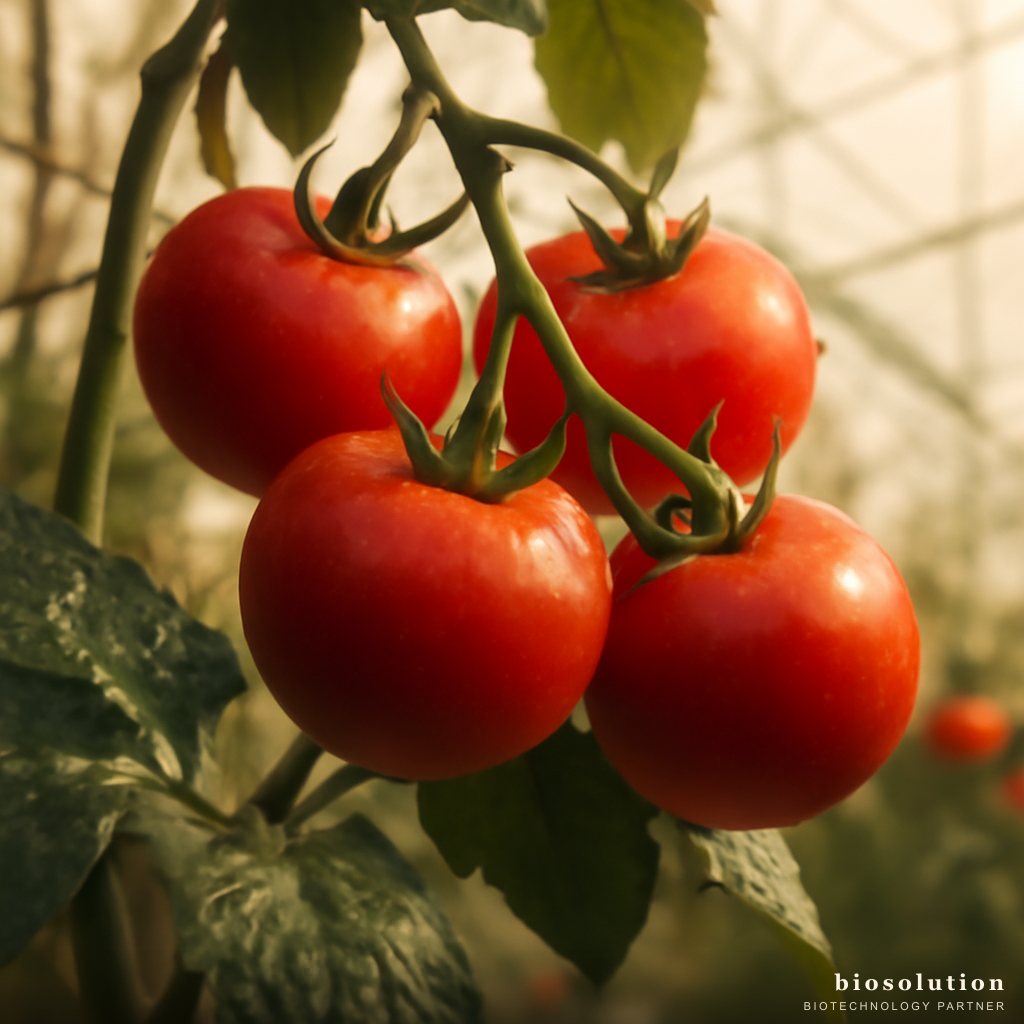
Choosing the right liquid organic fertilizer for tomatoes is a crucial decision for horticultural farmers, especially when entering the generative phase. In this phase, tomato plants require specific nutrients to stimulate uniform flowering and fruiting, reduce flower/fruit drop, and improve sweetness quality. However, many farmers still rely on conventional chemical fertilizers, whose costs continue to rise. This article will discuss the cost comparison between conventional and biological treatments, and introduce 5 POC (Liquid Organic Fertilizer) formulas proven effective based on scientific data and field experience.
Why Liquid Organic Fertilizer for Tomatoes is Important in the Generative Phase?
The generative phase is a critical period in the tomato life cycle. During this phase, the plant shifts energy from vegetative growth (leaves and stems) to flower, fruit, and seed formation. The availability of macronutrients (phosphorus, potassium) and micronutrients (boron, zinc) becomes the main determinant of harvest success. Liquid organic fertilizer for tomatoes specifically formulated for this phase can provide nutrients in an easily absorbable form while stimulating the production of natural hormones such as cytokinins and auxins.
The Role of PGPR in POC
One key component in generative POC is a consortium of Plant Growth-Promoting Rhizobacteria (PGPR). Bacteria such as Bacillus subtilis and Pseudomonas fluorescens produce IAA (indole-3-acetic acid) hormone that stimulates root elongation and nutrient uptake. Additionally, PGPR solubilizes phosphate and potassium bound in the soil, making them available to plants. Using PGPR in POC can reduce chemical fertilizer requirements by up to 30% without decreasing yield.
Seaweed Extract and Humic Acid
Seaweed extract is rich in natural cytokinins that stimulate cell division in flower buds. Meanwhile, humic and fulvic acids act as carriers for micronutrients, increase soil cation exchange capacity, and improve soil structure. The combination of these three in liquid organic fertilizer for tomatoes creates an optimal synergy to stimulate flowering and fruiting.
Cost Comparison: Conventional vs. Biological for Hydroponic and Soil Tomatoes
One of the main considerations for farmers is cost. Let's compare the treatment costs per growing season (90 days) for 1 hectare of tomatoes between conventional (chemical fertilizers) and biological (POC + PGPR) systems. Data is taken from field studies in West Java and related literature.
Conventional Costs
| Component | Cost per Season (IDR) |
|---|---|
| NPK 16-16-16 fertilizer | 4,500,000 |
| KCl fertilizer | 2,000,000 |
| TSP fertilizer | 1,500,000 |
| Chemical PGR (GA3) | 1,200,000 |
| Pesticides (fungicides, insecticides) | 3,000,000 |
| Application labor | 1,500,000 |
| Total | 13,700,000 |
Biological Costs (Using Flower & Fruit Trigger POC)
| Component | Cost per Season (IDR) |
|---|---|
| Flower & Fruit Trigger POC Formula (5 liters) | 1,500,000 |
| Base compost fertilizer (5 tons) | 2,500,000 |
| NPK fertilizer (50% of conventional dose) | 2,250,000 |
| Organic pesticides (neem oil, etc.) | 1,000,000 |
| Application labor | 1,200,000 |
| Total | 8,450,000 |
Cost difference: IDR 5,250,000 per season or 38% savings with the biological system. Not to mention additional benefits such as increased fruit weight per plant (15-25%) and reduced flower/fruit drop by up to 30%, as demonstrated by the Flower & Fruit Trigger POC Formula product.
For hydroponic systems, using organic POC also reduces the frequency of nutrient replacement because microbes help maintain pH and EC balance. Hydroponic farmers can save up to 40% on nutrient costs.
5 Proven Effective POC Formulas for Triggering Flowers & Fruits
Here are 5 liquid organic fertilizer for tomatoes formulas tested in various field conditions:
1. Flower & Fruit Trigger POC Formula (Biosolution)
This product contains a consortium of PGPR, seaweed extract, and humic/fulvic acids. Application dose: 3-5 ml per liter of water, sprayed on leaves (foliar) every 7-10 days in the morning. Its advantages include stimulating uniform flowering, reducing flower/fruit drop, and improving fruit shelf life. Trial results in Sleman showed a 25% increase in fruit weight per plant for cherry tomato varieties.
2. POC Based on Fermented Goat Urine
Goat urine contains natural auxin and cytokinin hormones. Fermentation with molasses and Lactobacillus casei for 14 days produces a POC rich in N and K. Suitable for drench application in the early generative phase.
3. POC from Bamboo Shoots and Fish Meal
Bamboo shoots contain amino acids and gibberellins, while fish meal is rich in phosphorus and calcium. This combination is effective for stimulating fruit formation and preventing blossom end rot.
4. POC from Banana Humps and Eggshells
Banana humps contain high cytokinins, while eggshells provide calcium. This POC is excellent for strengthening fruit cell walls and increasing crispness.
5. POC with Moringa Leaf Extract and Azolla
Moringa leaves are rich in zeatin (cytokinin), while Azolla provides nitrogen and microbes. This POC stimulates flower growth and improves soil structure.
Proper Application of POC for Hydroponic and Soil Tomatoes
For liquid organic fertilizer for tomatoes to work optimally, application must be timely and targeted.
For Hydroponic Plants
In hydroponic systems, POC can be added to the nutrient solution at a dose of 2-3 ml per liter. Ensure the solution pH remains in the range of 5.5-6.5. Application is done every 3-4 days during the generative phase. PGPR in POC helps decompose root residues and maintain system cleanliness.
For Soil Plants
In soil cultivation, POC is applied in two ways: drench and foliar spray. Drench is done once a week at a dose of 5 ml per liter of water, poured around the root zone. Foliar spray is done in the morning every 7 days at a dose of 3-5 ml per liter. Combining both methods yields the best response.
Critical application times:
- When the first flowers appear (week 4 after planting)
- When fruits begin to form (week 6)
- When fruits enter the filling phase (week 8)
Case Study: POC Use on Tomatoes in Sandy Soil
A study on coastal sandy soil in Yogyakarta compared three treatments: control (no POC), conventional POC (fermented urine), and biological POC (Flower & Fruit Trigger POC Formula). Results:
- Number of flowers per plant: Control 12, conventional POC 18, biological POC 24
- Number of fruits per plant: Control 8, conventional POC 13, biological POC 19
- Fruit weight per fruit (g): Control 45, conventional POC 52, biological POC 63
- Sugar content (Brix): Control 4.2, conventional POC 5.1, biological POC 6.3
These data show that biological POC not only increases quantity but also fruit quality (sweetness). This is because PGPR and humic acid aid in the absorption of potassium and boron, which play a role in sugar metabolism.
Conclusion
Liquid organic fertilizer for tomatoes formulated with PGPR, seaweed extract, and humic acid is proven to be more cost-effective and efficient than conventional chemical fertilizers. With a cost difference of up to 38%, farmers can enjoy a 15-25% increase in yield and sweeter fruit quality. Products like Flower & Fruit Trigger POC Formula and Complete 5-in-1 Liquid Biofertilizer Formula are the right solutions for the tomato generative phase.
If you want to discuss the specific needs of your land or cropping system, the Biosolution team is ready to help through free consultation on WhatsApp. Get dosage recommendations and application schedules tailored to your field conditions.