Managing Water Quality and Ammonia in Shrimp Ponds: Causes, Impacts, and Probiotic Solutions
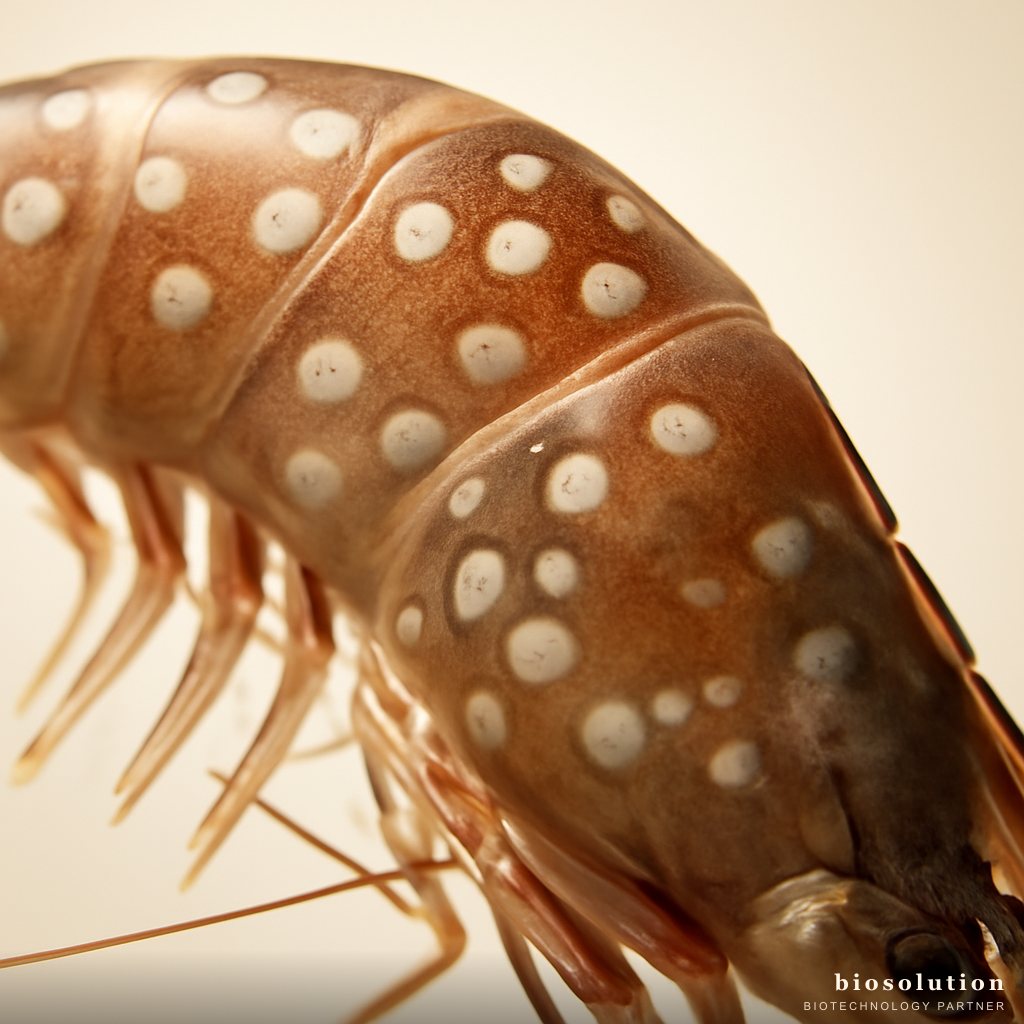
Water quality in shrimp ponds is a crucial factor determining the success of vaname shrimp farming. One of the most problematic parameters is high ammonia levels. Ammonia (NH₃) is toxic to shrimp and can cause mass mortality if not managed properly. In this article, we will deeply discuss the causes of high ammonia, its impacts on shrimp, and effective solutions using Biosolution's shrimp pond probiotics. By understanding proper water quality management, farmers can significantly increase survival rate (SR) and pond productivity.
Causes of High Ammonia in Shrimp Ponds
Ammonia in shrimp ponds comes from two main sources: uneaten feed and shrimp feces. Feed that is not consumed will be decomposed by bacteria into ammonia. According to research, about 70-80% of nitrogen in shrimp feed is wasted as ammonia. Additionally, shrimp themselves excrete ammonia through their gills and urine. In intensive farming systems with high stocking densities, ammonia accumulation occurs very quickly.
Another aggravating factor is the low population of natural nitrifying bacteria. Bacteria such as Nitrosomonas and Nitrobacter play a role in oxidizing ammonia into nitrite and then nitrate, which are far less toxic. However, in new ponds or after antibiotic use, the population of these bacteria can be very low. Environmental conditions such as high pH (>8) and warm temperatures also increase ammonia toxicity, as more ammonia is in the un-ionized form (NH₃) which easily penetrates shrimp cell membranes.
Negative Impacts of High Ammonia on Vaname Shrimp
High ammonia directly affects shrimp health. At concentrations above 0.1 ppm NH₃, shrimp begin to show stress symptoms: decreased appetite, abnormal swimming, and frequent surfacing. If left unchecked, ammonia can damage gills, disrupt osmoregulation, and inhibit growth. In acute cases, mass mortality can occur within hours.
Furthermore, ammonia triggers the growth of pathogenic bacteria such as Vibrio spp. Stressed shrimp are more susceptible to infection. The combination of high ammonia and Vibrio infection is often the main cause of harvest failure. Data shows that ponds with ammonia levels >0.3 ppm have twice the risk of shrimp mortality compared to safe ponds.
Biological Solution: Probiotics to Reduce Ammonia
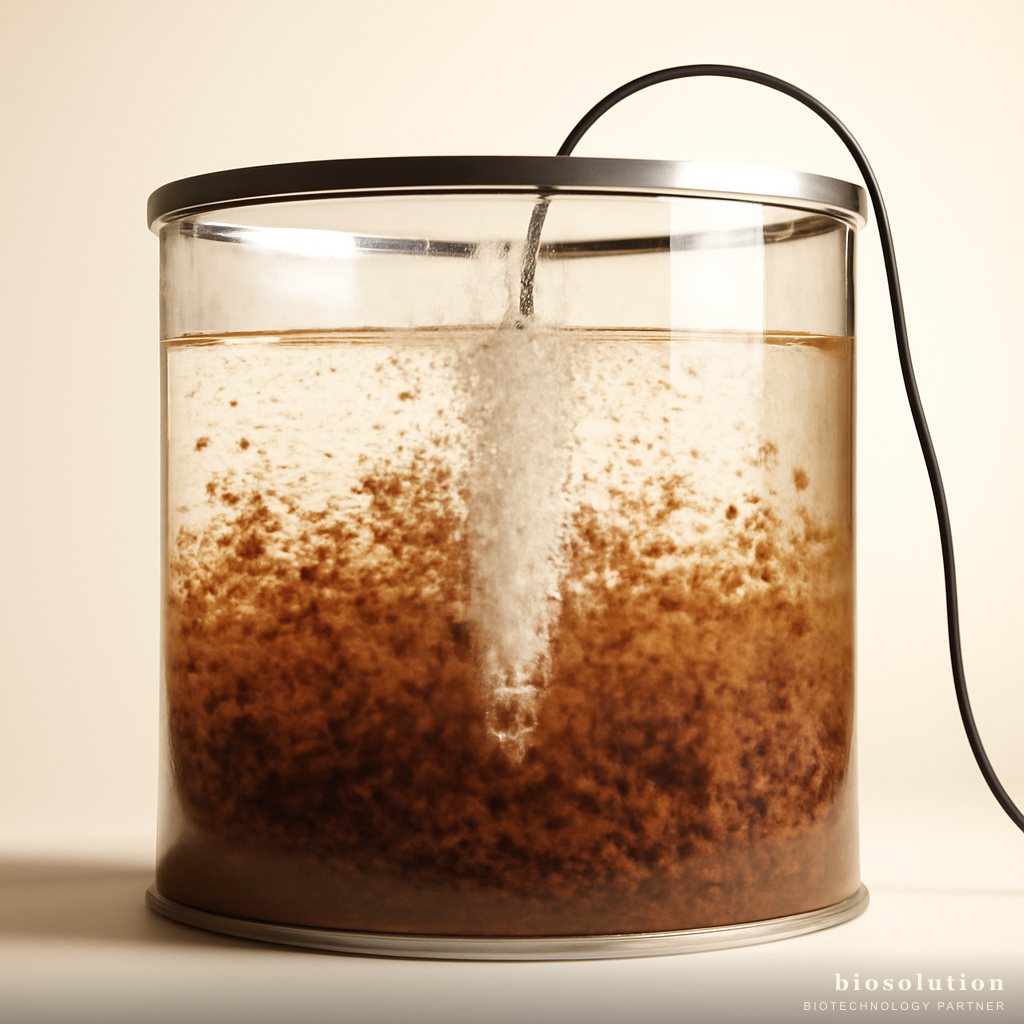
One of the most effective and environmentally friendly ways to manage ammonia is by using probiotics. Probiotics are beneficial bacteria added to ponds to improve water quality and suppress pathogens. Biosolution presents Vaname Shrimp Pond Probiotic Formula specifically formulated for intensive shrimp farming. This product contains four superior bacterial strains:
- Bacillus subtilis: Acts as an anti-Vibrio and decomposer of organic matter, thereby reducing ammonia sources from uneaten feed and feces.
- Bacillus licheniformis: Produces extracellular enzymes such as protease and amylase that accelerate the breakdown of complex proteins and carbohydrates.
- Nitrosomonas sp.: Nitrifying bacteria that oxidize ammonia (NH₃) into nitrite (NO₂⁻).
- Nitrobacter sp.: Continues the oxidation of nitrite into nitrate (NO₃⁻), which is much safer for shrimp.
The combination of these four bacteria works synergistically: Bacillus reduces organic load, while Nitrosomonas and Nitrobacter convert ammonia into nitrate. As a result, ammonia and nitrite levels remain stable below 0.1 ppm.
Proper Probiotic Application Method
Probiotic application must be done regularly to maintain optimal bacterial populations. According to technical guidelines, Vaname Shrimp Pond Probiotic Formula is applied by direct broadcasting into the pond. The recommended dosage is 5 liters per hectare of pond, repeated every 7–10 days. The best time is in the morning or evening when water temperature is not too hot, as bacteria are more active at 25–30°C.
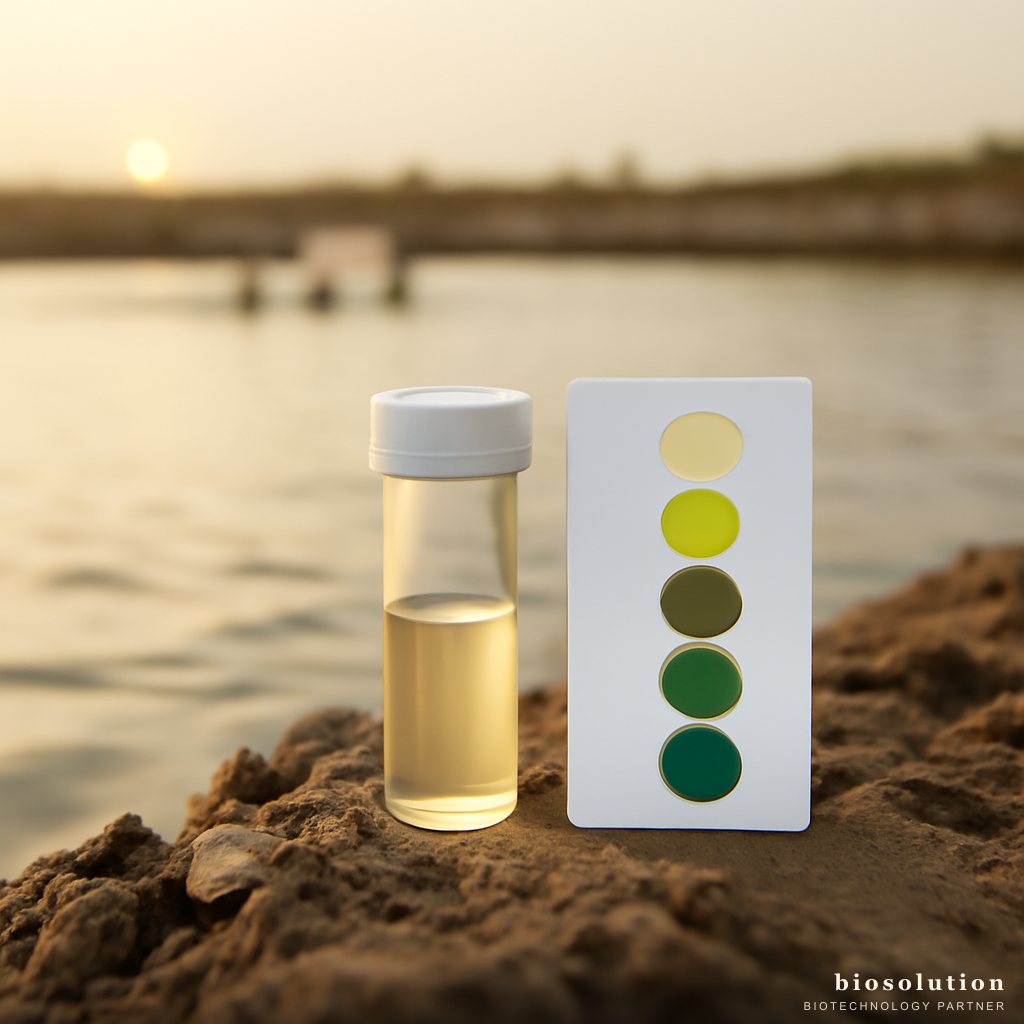
It is important to ensure sufficient aeration so that aerobic nitrifying bacteria can work optimally. Before application, probiotics should be diluted with pond water and spread evenly. Farmers are also advised to monitor water parameters such as ammonia, nitrite, pH, and temperature regularly. With routine application, water exchange can be reduced by up to 30%, saving operational costs.
Benefits of Using Probiotics in Shrimp Ponds
Consistent use of probiotics provides many benefits. Field data shows that vaname shrimp survival rate increases by 10–15% due to maintained water quality. Vibrio populations can be suppressed by up to 40%, reducing disease risk. Additionally, ammonia remains stable below 0.1 ppm, allowing shrimp to grow optimally without stress.
With reduced water exchange frequency, farmers also save on electricity and water costs. Probiotics also help stabilize pH and reduce turbidity caused by organic matter. All these contribute to increased productivity and profitability.
Case Study: Probiotic Application in Vaname Ponds
A vaname shrimp pond in East Java with an area of 1 hectare applied Vaname Shrimp Pond Probiotic Formula during one cultivation cycle (90 days). Previously, the pond often experienced shrimp mortality due to high ammonia. After routine application every 7 days, ammonia levels dropped from 0.3 ppm to <0.1 ppm within two weeks. Survival rate increased from 70% to 85%, and harvest size was more uniform. The farmer reported feed cost savings due to improved feed conversion ratio (FCR).
Conclusion
Good water quality in shrimp ponds is the key to successful farming. Ammonia is a major threat that must be managed proactively. The use of probiotics containing nitrifying and decomposing bacteria such as Bacillus subtilis, Bacillus licheniformis, Nitrosomonas sp., and Nitrobacter sp. has proven effective in reducing ammonia, suppressing Vibrio, and increasing survival rate. With regular application at the recommended dosage, farmers can create a healthy environment for vaname shrimp.
For further consultation on shrimp pond water quality management, contact the Biosolution technical team via WhatsApp. Get product recommendations tailored to your pond conditions.