Managing WSSV Risk in Vaname Shrimp: A Successful Pond Case Study in Suppressing White Spot Outbreaks
WSSV (White Spot Syndrome Virus) is a nightmare for vaname shrimp farmers in Indonesia. This viral attack can cause up to 100% mortality in a short time, resulting in enormous economic losses. However, managing WSSV risk is not impossible. Through a comprehensive health management approach, including the use of anti-Vibrio probiotics, several ponds have successfully suppressed outbreak impacts. This article presents a real case study and the scientific strategies behind this success.
Understanding WSSV and Its Relationship with Vibrio
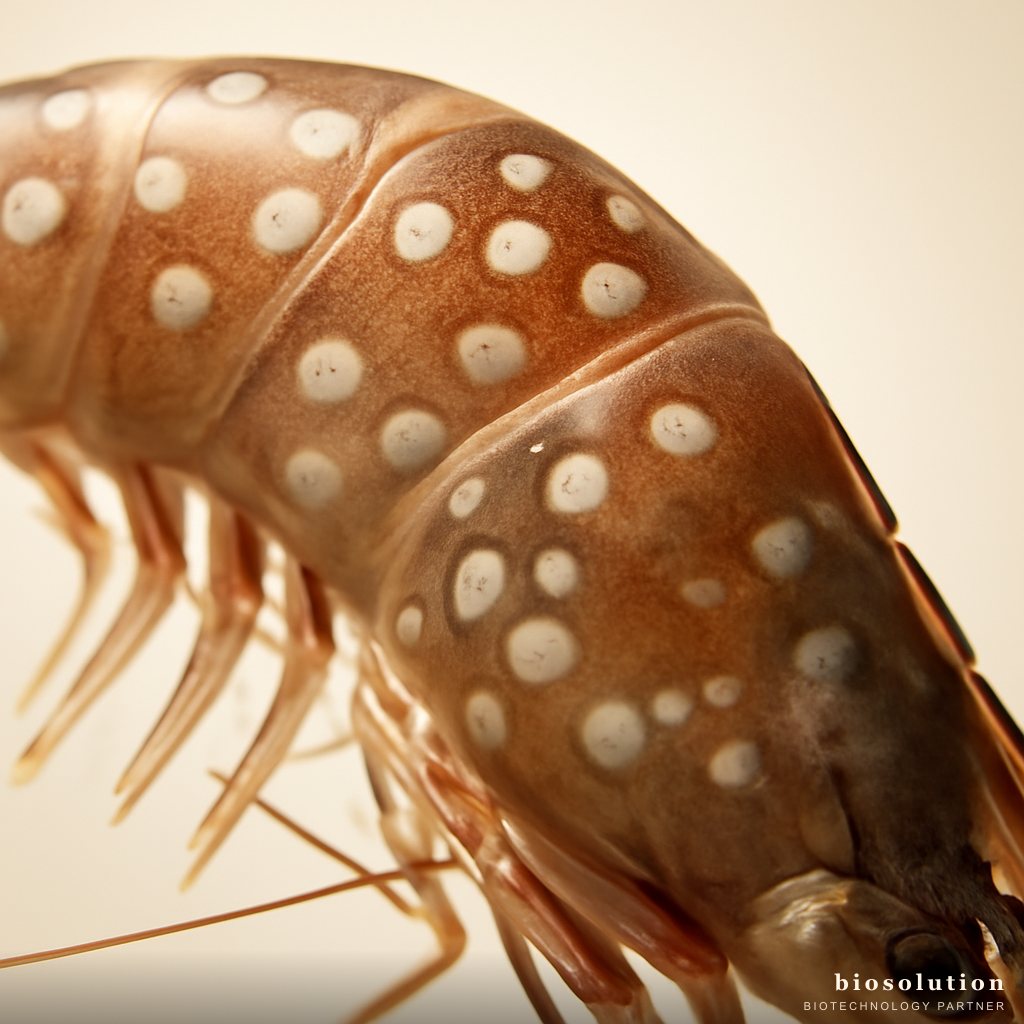
WSSV is a double-stranded DNA virus that attacks vaname shrimp (Litopenaeus vannamei). Typical symptoms include white spots on the carapace and body, lethargy, decreased appetite, and mass mortality. The virus spreads through water, cannibalism, and vectors such as wild crustaceans. However, what often goes unnoticed is the role of Vibrio bacteria in exacerbating WSSV infection.
Research shows that Vibrio infection, especially Vibrio harveyi and Vibrio parahaemolyticus, can trigger or accelerate death from WSSV. These bacteria produce enzymes and toxins that damage shrimp tissue, making them more susceptible to the virus. Therefore, an effective WSSV risk management strategy must include controlling Vibrio populations in the pond.
Case Study: A Pond in East Java Successfully Suppressing WSSV
Mr. Slamet's pond in Situbondo, East Java, experienced a WSSV outbreak in 2022. After losing almost the entire shrimp population, he implemented a strict risk management program in the following cycle. The keys to his success were:
- Optimal pond preparation: Drying, liming, and water sterilization with chlorine.
- Routine probiotic use: Bacillus subtilis and Bacillus licheniformis were administered from the start of rearing.
- Water quality monitoring: Parameters such as pH, temperature, salinity, and ammonia were maintained within optimal ranges.
- Application of Anti-Vibrio Pond Formula (Emergency): When early detection showed high Vibrio levels, this product was used to suppress pathogenic bacterial populations.
As a result, in that cycle, the survival rate (SR) reached 85%, far above the average of surrounding ponds which was only 40-50%. No WSSV symptoms appeared throughout the rearing period.
The Role of Probiotics in WSSV Risk Management
Probiotics, especially from the genus Bacillus, work through several mechanisms to combat Vibrio and strengthen shrimp immunity:
- Competitive exclusion: Bacillus competes for nutrients and space with Vibrio, thereby inhibiting the growth of pathogenic bacteria.
- Production of antibiotic compounds: Bacillus subtilis and Bacillus licheniformis produce bacteriocins and enzymes that degrade Vibrio cell walls.
- Decomposition of organic matter: Probiotics help break down leftover feed and waste, reducing ammonia load that can suppress shrimp immunity.
- Immune system stimulation: Some Bacillus strains trigger non-specific immune responses in shrimp, increasing blood cell production and antioxidant enzymes.
Anti-Vibrio Pond Formula: An Emergency Solution
The product Anti-Vibrio Pond Formula for Vaname Shrimp (Emergency) from Biosolution is specifically designed for emergency conditions when Vibrio populations surge. With a concentration of Bacillus subtilis 10 times that of regular probiotics, this product can rapidly knock down Vibrio. The application dose is 10 L per hectare in the morning, applied once, and can be repeated after 48 hours if necessary. Its main advantages are:
- Rapid Vibrio knockdown: Within 24-48 hours, Vibrio populations decrease drastically.
- Prevents mass mortality: By suppressing pathogenic bacteria, the risk of death from WSSV is reduced.
- Fast recovery: Mildly infected shrimp can recover more quickly.
- Premium emergency grade: Special formulation for critical situations.
Comprehensive WSSV Risk Management Strategy
Here are steps that can be implemented in ponds to manage WSSV risk:
1. Early Detection and Monitoring
Conduct regular PCR tests to detect the presence of WSSV and Vibrio. Water quality parameters such as Total Bacteria (TB), Total Vibrio (TV), and specific Vibrio harveyi need to be monitored. If TV exceeds 10^4 CFU/mL, take immediate action.
2. Water Quality Management
Maintain temperature 28-30°C, salinity 15-25 ppt, pH 7.5-8.5, and ammonia <0.1 mg/L. Adequate aeration and plankton management are also important.
3. Routine Probiotic Administration
Use probiotics such as Probiotic Formula for Vaname Shrimp Ponds regularly to maintain microbial balance. This product contains Bacillus that can suppress Vibrio preventively.
4. Application of Anti-Vibrio Formula in Emergencies
If detection shows increased Vibrio or early WSSV symptoms, immediately apply the Anti-Vibrio Pond Formula. This product can be used together with mild disinfectants (such as low-dose chlorine) for maximum results.
5. Strict Biosecurity
Limit access of people and equipment to the pond. Use clean water from a guaranteed source. Avoid using wild shrimp as feed.
Scientific Support: Why This Approach is Effective
Research by the Center for Brackishwater Aquaculture (BBPBAP) Jepara shows that application of Bacillus subtilis and Bacillus licheniformis in vaname shrimp ponds can reduce Vibrio populations by up to 90% within 48 hours. Another study from Bogor Agricultural University (IPB) confirmed that these probiotics increase shrimp phenoloxidase and lysozyme activity, which play a role in defense against WSSV.
Furthermore, the Food and Agriculture Organization (FAO) recommends the use of probiotics as an environmentally friendly shrimp disease management strategy. Thus, this approach is not only effective but also sustainable.
Conclusion
Managing WSSV risk in vaname shrimp requires a holistic strategy that includes early detection, water quality management, biosecurity, and probiotic use. The case study of a pond in Situbondo proves that with proper implementation, white spot outbreaks can be suppressed. Products like Biosolution's Anti-Vibrio Pond Formula are reliable in emergencies, providing a fast and effective solution. For further consultation, contact the Biosolution technical team via WhatsApp.
FAQ
What is WSSV and what are its symptoms?
WSSV (White Spot Syndrome Virus) is a virus that causes white spot disease in shrimp. Symptoms include white spots on the carapace, lethargy, decreased appetite, and mass mortality. The virus is highly contagious and can cause losses up to 100%.
How do probiotics help manage WSSV risk?
Probiotics such as Bacillus subtilis and Bacillus licheniformis suppress Vibrio populations that can worsen WSSV infection. They also boost shrimp immunity and improve water quality, thereby reducing stress and infection risk.
When should the Anti-Vibrio Pond Formula be used?
Use this product when monitoring shows high Vibrio populations (above 10^4 CFU/mL) or when early WSSV symptoms appear. This product is designed for emergency conditions and can suppress Vibrio within 24-48 hours.
Is the Anti-Vibrio Pond Formula safe for shrimp?
Yes, this product contains probiotic bacteria that are safe for shrimp and the environment. There are no harmful residues. However, follow the recommended dose of 10 L per hectare and apply in the morning.
Can this product be used together with other probiotics?
Yes, it can be used together with routine probiotics such as the Probiotic Formula for Vaname Shrimp Ponds. However, ensure a minimum application interval of 2 hours to avoid competition between bacteria.