Managing WSSV Risk in Vaname Shrimp: Sustainable Aquaculture Strategies
White Spot Syndrome Virus (WSSV) is one of the most lethal pathogens in vaname shrimp (Litopenaeus vannamei) aquaculture. This disease causes massive economic losses worldwide, including in Indonesia. WSSV attacks the shrimp's immune system and can cause up to 100% mortality in a short time. However, with proper risk management approaches, farmers can reduce the impact of outbreaks and maintain pond productivity. This article will discuss comprehensive strategies for managing WSSV risk in vaname shrimp, from biosecurity, use of anti-Vibrio probiotics, to sustainable aquaculture practices.
Understanding WSSV: A Major Threat to Shrimp Aquaculture
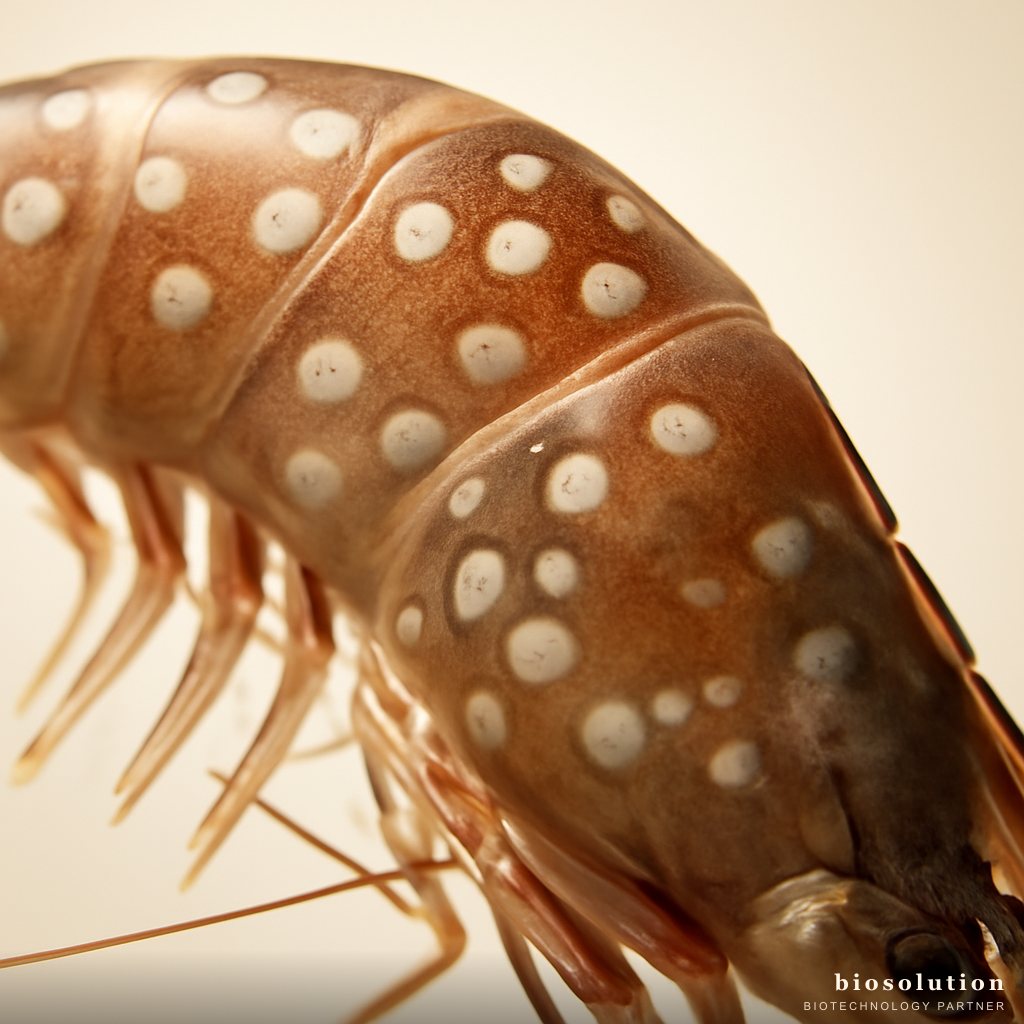
WSSV is a double-stranded DNA virus from the family Nimaviridae. The virus infects shrimp through direct contact with water or infected hosts, as well as through vectors such as wild crustaceans. Clinical symptoms of WSSV include white spots on the carapace, reddish body, decreased appetite, and sudden death. The incubation period is very fast, only 3-4 days after exposure.
Environmental factors such as low water temperature (below 30°C), fluctuating salinity, and poor water quality increase shrimp susceptibility to WSSV. Additionally, stress from high stocking density and nutritional deficiencies also trigger outbreaks. Therefore, WSSV risk management must be holistic, covering biological, environmental, and management aspects.
WSSV Risk Management Strategies
Strict Biosecurity
Biosecurity is the first line of defense. Important measures include:
- Quarantine of post-larvae (PL) before stocking.
- Disinfection of pond water and equipment.
- Installation of nets to prevent entry of vector crustaceans.
- Controlled feeding free from contamination.
Probiotics as Prevention and Control Tools
Probiotics play a key role in managing WSSV risk. Probiotic bacteria such as Bacillus subtilis and Bacillus licheniformis can suppress pathogenic Vibrio populations, which often act as secondary triggers for WSSV outbreaks. The product Anti-Vibrio Formula for Vaname Shrimp Ponds (Emergency) contains high concentrations of Bacillus subtilis (10x) and Bacillus licheniformis that work synergistically:
- Rapid Vibrio knockdown: Within 24-48 hours, Vibrio populations drop drastically, reducing the risk of secondary infections.
- Prevents mass mortality: By suppressing Vibrio, shrimp have a chance to recover their immune system.
- Fast recovery: After application, pond conditions return to stability.
Application dosage for shock treatment is 10 L per hectare, broadcast directly in the morning. If necessary, repeat after 48 hours. This product is a premium emergency grade designed for critical situations.
Water Quality Management
Optimal water quality is crucial to reduce shrimp stress. Parameters to monitor:
- Temperature: 28-30°C (avoid extreme fluctuations).
- pH: 7.5-8.5.
- DO (dissolved oxygen): >4 ppm.
- Salinity: 15-25 ppt.
- Low ammonia and nitrite.
Routine use of probiotics, such as Probiotic Formula for Vaname Shrimp Ponds, helps maintain water quality by degrading organic matter and suppressing pathogens.
Sustainable Aquaculture Approach
Sustainable aquaculture focuses not only on short-term profits but also on maintaining environmental sustainability and shrimp health. Its principles include:
- Low stocking density: Reduces disease spread risk.
- Quality feed: Contains immunostimulants like beta-glucan and vitamin C.
- Water circulation: Using recirculation or biofloc systems to minimize waste.
- Routine monitoring: Early detection via PCR or rapid tests.
By combining biosecurity, probiotics, and environmental management, farmers can significantly reduce WSSV risk.
Role of Probiotics in Enhancing Shrimp Immunity
Probiotics not only suppress pathogens but also stimulate the shrimp's immune system. Bacillus spp. produce enzymes and antibacterial compounds that modulate immune responses. Research shows that probiotic administration can increase phenoloxidase activity, lysozyme, and blood cells (hemocytes) in shrimp. With better immunity, shrimp are more resistant to viral infections.
Case Study: WSSV Control with Probiotics
In several ponds in East Java, application of Anti-Vibrio Formula for Vaname Shrimp Ponds (Emergency) successfully reduced WSSV mortality from 80% to 20% within 3 days. Farmers reported that after application, shrimp resumed active feeding and water quality improved. This demonstrates the effectiveness of probiotics in managing outbreaks.
Conclusion
Managing WSSV risk in vaname shrimp requires an integrated approach encompassing biosecurity, probiotics, and environmental management. Probiotics such as Bacillus subtilis and Bacillus licheniformis in Anti-Vibrio Formula for Vaname Shrimp Ponds (Emergency) have proven effective in suppressing Vibrio and aiding shrimp recovery. By implementing sustainable strategies, farmers can reduce losses and maintain pond productivity. For further consultation, contact the Biosolution team via WhatsApp.
FAQ
What is WSSV and how is it transmitted?
WSSV (White Spot Syndrome Virus) is a virus that attacks shrimp, causing white spots on the carapace and mass mortality. Transmission occurs through direct contact with infected water or shrimp, as well as through vectors such as crabs and wild crustaceans. The virus is highly contagious and can spread quickly in ponds.
How to prevent WSSV in vaname shrimp?
WSSV prevention includes strict biosecurity (quarantine of PL, water disinfection), use of probiotics to suppress Vibrio, optimal water quality management, and nutritious feeding. Probiotics like Bacillus subtilis and Bacillus licheniformis help enhance shrimp immunity and suppress pathogens.
Are probiotics effective for treating shrimp already infected with WSSV?
Probiotics do not directly cure viral infections, but they can reduce outbreak impact by suppressing secondary Vibrio infections and improving water quality. Use of emergency-grade probiotics like Anti-Vibrio Pond Formula can help lower mortality and accelerate shrimp recovery.
What is the probiotic dosage for managing WSSV outbreaks?
For emergency conditions, the application dosage of Anti-Vibrio Pond Formula is 10 L per hectare, broadcast directly in the morning. If necessary, repeat after 48 hours. This product is specifically designed for shock treatment in vaname shrimp ponds.
Can sustainable aquaculture reduce WSSV risk?
Yes, sustainable aquaculture with low stocking density, good water circulation, and routine probiotic use can reduce shrimp stress and suppress virus spread. This approach also maintains pond ecosystem balance, making it more resilient to outbreaks.