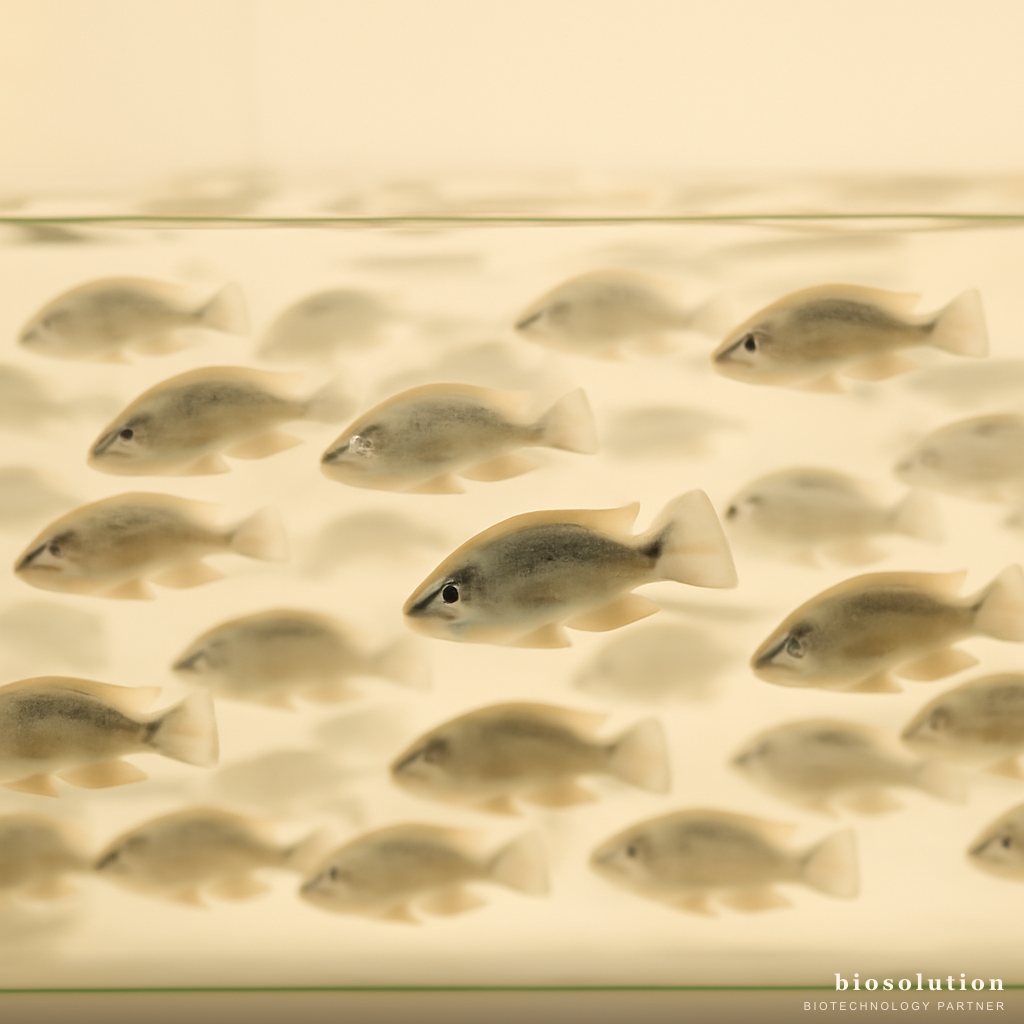
Monosex Nile Tilapia Sex Reversal: Post-Treatment Pond Management with 3 Probiotic Formulas
Successful monosex male Nile tilapia sex reversal is an initial milestone for hatcheries to produce a uniform male population with high growth rates. However, post-hormone treatment, pond water quality often becomes a critical point determining survival and seed performance. Ammonia from leftover feed and fish metabolism, oxygen fluctuations, and organic matter buildup can trigger stress and mortality. This is where post-sex reversal pond management plays a vital role. This article presents a farm case study that successfully overcame these challenges using three superior probiotic formulas: Nitrosomonas sp., Nitrobacter sp., and Bacillus subtilis.
Why is Post-Sex Reversal Pond Management Crucial?
The sex reversal process in tilapia is generally carried out at the larval stage until 7-14 day old seeds using the hormone 17α-methyltestosterone. After treatment, seeds are transferred to rearing ponds. At this stage, the seed's immune system is still vulnerable, and poor water quality can undermine the sex reversal investment.
Water Quality Parameters That Must Be Monitored
- Ammonia (NH₃): Toxic at concentrations >0.1 mg/L, inhibits growth and causes gill damage.
- Nitrite (NO₂): Disrupts oxygen transport in blood, concentrations >0.5 mg/L are dangerous.
- pH: Ideal 6.5-8.5; extreme fluctuations trigger stress.
- Dissolved oxygen: Minimum 4 mg/L for optimal growth.
- Organic matter: Comes from leftover feed and feces; if high, reduces oxygen and becomes a pathogen medium.
Good post-sex reversal pond management will keep these parameters within safe ranges, allowing monosex male Nile tilapia seeds to grow optimally without disturbance.
Case Study: Successful Farm with 3 Probiotic Formulas
A Nile tilapia hatchery in West Java implemented a post-sex reversal pond management program using probiotic products from Biosolution. This hatchery previously experienced high mortality (30-40%) during the nursery phase due to ammonia spikes. After adopting three integrated probiotic formulas, mortality dropped drastically to <10% and growth became more uniform.
Formula 1: Nitrosomonas sp. for Ammonia Oxidation
Nitrosomonas sp. is a nitrifying bacterium that oxidizes ammonia (NH₃) into nitrite (NO₂⁻). In this case study, a dosage of 2 L per 1000 m³ of water every 7 days reduced ammonia from 0.8 mg/L to <0.1 mg/L within 3 days. As a result, tilapia seeds did not experience ammonia stress, appetite remained high, and length growth reached 1.5 cm per week.
How it works: Nitrosomonas sp. converts toxic ammonia into nitrite, which is easier to break down. However, nitrite is also dangerous, so nitrite-degrading bacteria are needed.
Formula 2: Nitrobacter sp. for Nitrite Oxidation
Nitrobacter sp. oxidizes nitrite into nitrate (NO₃⁻), which is relatively non-toxic. In tilapia ponds, nitrite often becomes a problem after ammonia is broken down. With routine application of Nitrobacter sp. together with Nitrosomonas sp., nitrite concentrations are kept below 0.3 mg/L. The resulting nitrate can be utilized by phytoplankton as nutrients, creating a balanced pond ecosystem.
Formula 3: Bacillus subtilis as Organic Decomposer
Bacillus subtilis is a probiotic bacterium that produces protease, amylase, and lipase enzymes to decompose leftover feed, feces, and other organic matter. In the case study, using Bacillus subtilis 2 L per 1000 m³ every 7 days reduced bottom sludge accumulation by up to 40%. This lowered the oxygen demand for decomposition, keeping dissolved oxygen stable above 5 mg/L. As a result, stocking density could be increased from 50 fish/m³ to 80 fish/m³ without causing mortality.
Application of Probiotic Formulas: Step by Step
Based on the experience of successful hatcheries, here is a guide for probiotic application in post-sex reversal pond management for monosex Nile tilapia:
- Pond Preparation: Clean the pond of organic residues, dry, and apply dolomite lime 100-200 kg/ha to stabilize pH.
- Initial Application: After filling the pond with water, spread a mixture of Nitrosomonas sp., Nitrobacter sp., and Bacillus subtilis at a dosage of 2 L per 1000 m³ each. Let it sit for 2-3 days before stocking seeds.
- Routine Maintenance: Every 7 days, repeat the application at the same dosage. The best time is in the morning when water temperature is still low.
- Monitoring: Measure ammonia, nitrite, pH, and oxygen every 3 days. If spikes occur, increase application frequency to every 5 days.
Advantages of Pond Management with Biosolution Probiotics
- Stable water quality: The nitrogen cycle runs perfectly, ammonia and nitrite are controlled.
- More consistent growth: Monosex male Nile tilapia seeds grow uniformly with lower FCR (Feed Conversion Ratio).
- Reduced oxygen mortality: Organic decomposition by Bacillus subtilis reduces oxygen demand, lowering the risk of oxygen deficiency at night.
- Higher stocking density: With maintained water quality, hatcheries can increase stocking density by 30-50% without compromising fish health.
Challenges and Solutions in Post-Sex Reversal Pond Management
Although probiotics are very helpful, there are several challenges to anticipate:
- Temperature fluctuations: Temperatures below 20°C or above 35°C can inhibit nitrifying bacterial activity. Solution: adjust water depth and provide shade.
- Antibiotic use: Antibiotics can kill probiotics. Avoid simultaneous antibiotic use; if necessary, allow a 48-hour gap.
- Overfeeding: Excessive leftover feed burdens the system. Use quality feed and adjust feeding rate according to fish weight.
Conclusion
Post-sex reversal pond management for monosex male Nile tilapia is key to hatchery success in producing quality seeds. The integrated application of three probiotic formulas—Nitrosomonas sp., Nitrobacter sp., and Bacillus subtilis—has proven effective in suppressing ammonia, nitrite, and organic matter, resulting in stable water quality, low mortality, and optimal growth. The case study of a hatchery in West Java shows that with probiotics, stocking density can be increased and FCR is more efficient. For maximum results, apply routinely every 7 days and monitor water parameters periodically.
Want to implement this strategy in your hatchery? Consult your probiotic needs with the Biosolution team via WhatsApp or see the product Nile Tilapia Pond Probiotic Formula for dosage and application details.
FAQ
What is monosex Nile tilapia sex reversal?
Monosex Nile tilapia sex reversal is a technique of sex reversal in tilapia seeds using the hormone 17α-methyltestosterone to produce a 95-100% male population. The goal is faster and more uniform growth because male tilapia grow larger than females. This process is carried out at the larval stage (7-14 days) before seeds are transferred to rearing ponds.
Why is post-sex reversal pond management important?
After sex reversal, tilapia seeds are still vulnerable to environmental stress. Poor water quality—especially high ammonia and nitrite—can cause mortality up to 40%. Pond management with probiotics keeps water parameters optimal, allowing seeds to grow healthily and the sex reversal investment not to be wasted.
How do probiotics work in tilapia ponds?
Probiotics work through three mechanisms: (1) Nitrosomonas sp. oxidizes toxic ammonia into nitrite, (2) Nitrobacter sp. oxidizes nitrite into safe nitrate, and (3) Bacillus subtilis decomposes organic matter (leftover feed, feces) thereby reducing oxygen load and suppressing pathogen growth. The result is stable water quality and a healthy pond environment.
What is the correct probiotic dosage for tilapia ponds?
The recommended dosage for Biosolution products is 2 L per 1000 m³ of water, applied every 7 days in the morning. For ponds with high stocking density or ammonia problems, frequency can be increased to every 5 days. Ensure the probiotic is spread evenly over the pond surface.
Are probiotics safe for fish and the environment?
Yes, probiotics containing natural bacteria such as Nitrosomonas sp., Nitrobacter sp., and Bacillus subtilis are safe for fish, humans, and the environment. These bacteria already exist in nature and are not pathogenic. Using probiotics actually reduces the need for chemicals and antibiotics, supporting environmentally friendly aquaculture.