Monosex Tilapia Sex Reversal: Post-Treatment Pond Management
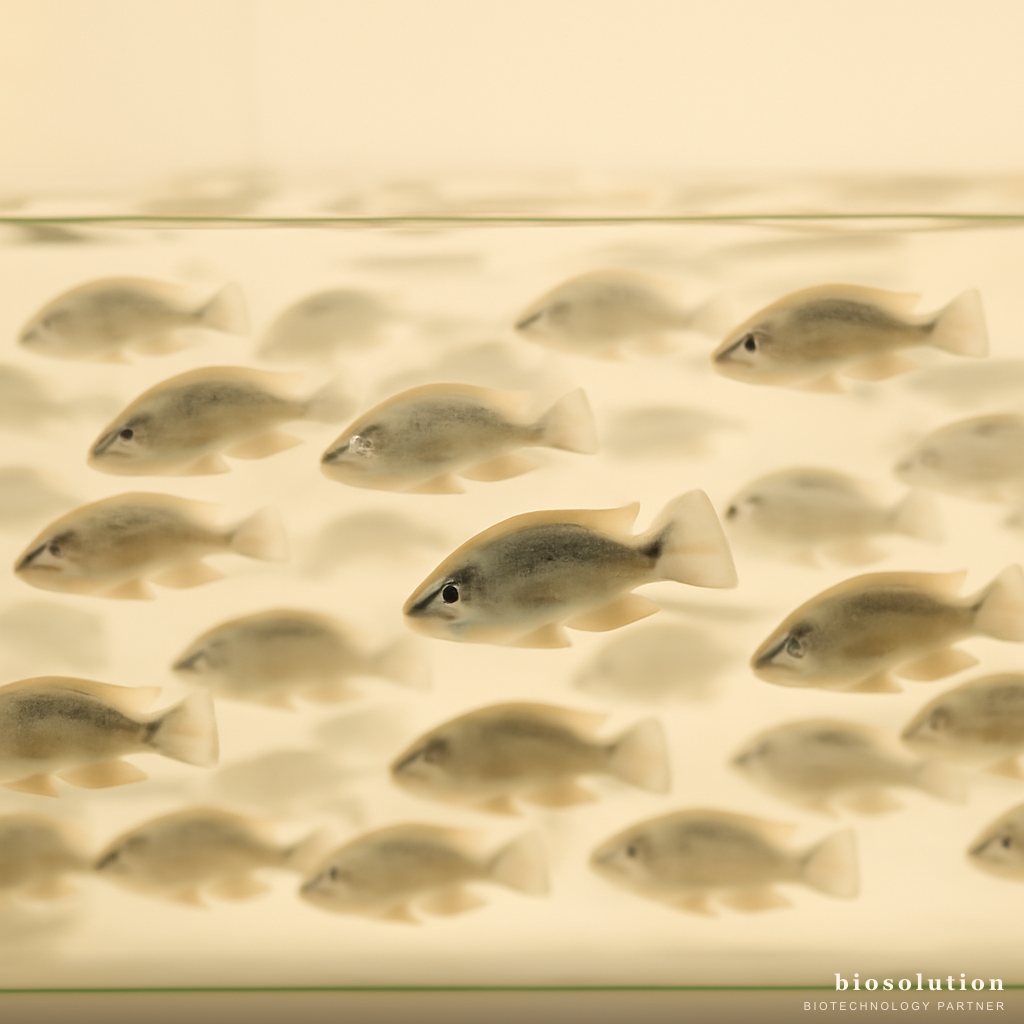
Monosex tilapia sex reversal is a technique to produce male tilapia populations that grow faster and more uniformly. However, the success of this technique does not end with hormone immersion. Post-sex reversal pond management is the main determinant of seed survival and performance. Daily monitoring of water parameters such as ammonia, pH, dissolved oxygen, and salinity is a crucial step that must be carried out diligently. Without proper water quality management, monosex tilapia seeds are prone to stress, disease, and stunted growth. This article technically discusses how to monitor these parameters and the role of probiotics in maintaining pond ecosystem balance.
Why Daily Water Parameters Are Important After Monosex Tilapia Sex Reversal
After the sex reversal process, tilapia seeds are in a vulnerable condition due to physiological changes from hormone exposure. The immune system is not yet optimal, so poor water quality can trigger high mortality. Water parameters such as ammonia, pH, dissolved oxygen, and salinity must be monitored daily. Ammonia (NH₃) is the main toxin produced from feed waste and fish metabolism. At concentrations above 0.02 mg/L, ammonia can damage gills and inhibit growth. The ideal pH for tilapia ranges from 6.5–8.5; extreme fluctuations can disrupt osmoregulation. Dissolved oxygen of at least 4 mg/L is required for optimal respiration. Salinity of 0–5 ppt is still tolerable, but sudden changes can cause osmotic stress. Daily monitoring allows early detection and corrective action before problems escalate.
How to Monitor Ammonia, pH, Oxygen, and Salinity Daily
Monitoring Tools and Frequency
Use calibrated test kits or digital meters. For ammonia, use a test kit with a range of 0–1 mg/L. A digital pH meter provides better accuracy. Dissolved oxygen is measured with a DO meter. Salinity uses a refractometer. Take measurements every morning (06:00–08:00) and afternoon (16:00–18:00) to observe daily fluctuations. Record results in a log sheet for trend analysis.
Interpretation of Results
- Ammonia: If >0.02 mg/L, immediately perform water changes or apply probiotics. Nitrosomonas sp. and Nitrobacter sp. in probiotics help oxidize ammonia into non-toxic nitrate.
- pH: If it drops below 6.5, add dolomite lime (100–200 kg/ha). If it rises above 8.5, avoid overfeeding and increase aeration.
- Dissolved oxygen: If <4 mg/L, increase aeration with paddlewheels or blowers. Reduce stocking density if necessary.
- Salinity: If it changes by >1 ppt per day, make gradual adjustments with fresh or saltwater.
The Role of Probiotics in Maintaining Water Quality Stability
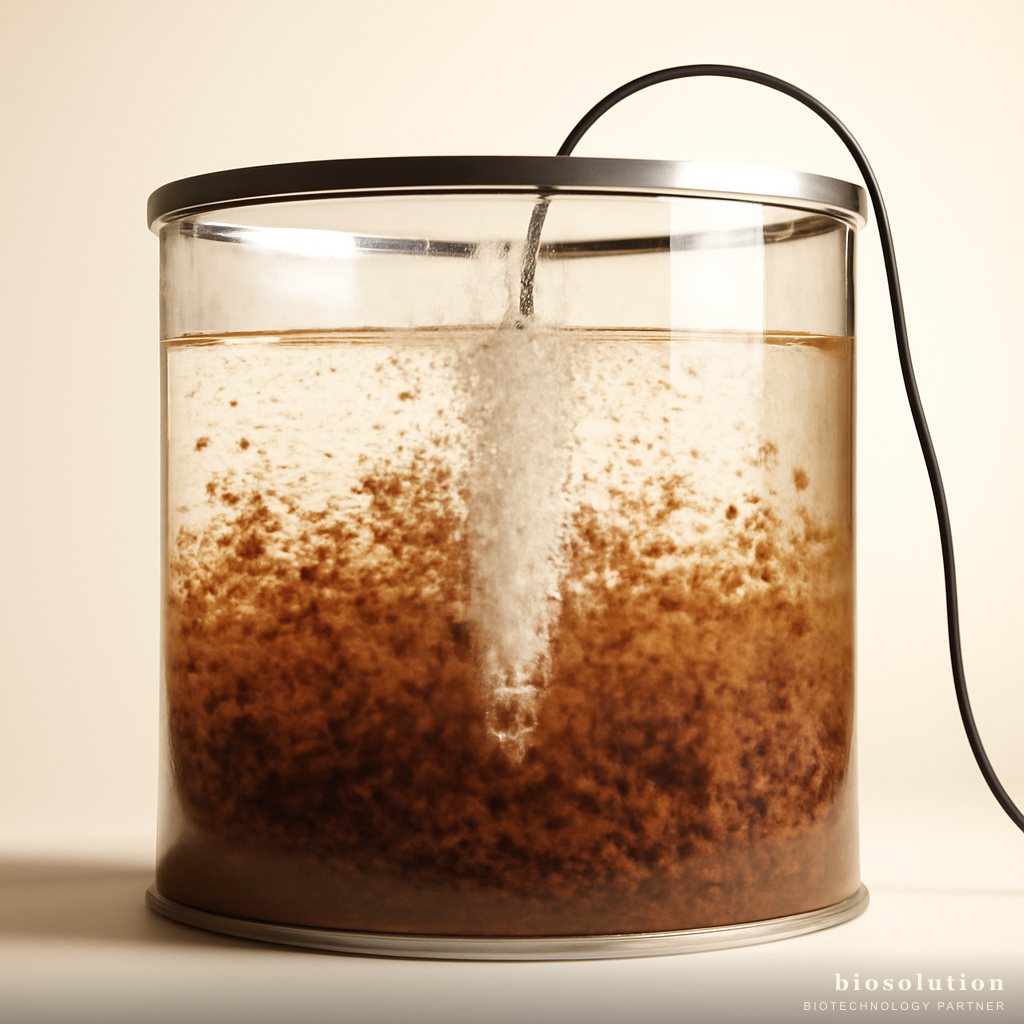
Probiotics contain beneficial bacteria that accelerate the nitrogen cycle and decomposition of organic matter. Products like Tilapia Pond Probiotic Formula from Biosolution contain Nitrosomonas sp. (ammonia oxidizer), Nitrobacter sp. (nitrite oxidizer), and Bacillus subtilis (organic decomposer). With routine application every 7 days at 2 L per 1000 m³ of water in the morning, these bacteria help keep ammonia low, reduce sludge accumulation, and increase oxygen availability. As a result, water quality remains stable, tilapia growth is more consistent, and mortality due to low oxygen can be suppressed. Even stocking density can be increased without compromising fish health.
Case Study: Effective Monitoring with Probiotics
At a hatchery in West Java, implementing daily monitoring and probiotics in post-sex reversal ponds showed a reduction in mortality from 15% to 5% in one cycle. Ammonia parameters were maintained below 0.01 mg/L, pH stable at 7.2–7.8, dissolved oxygen 5–6 mg/L, and salinity 2 ppt. Monosex tilapia seeds reached a size of 5–7 cm in 30 days with high uniformity. The hatchery owner reported that using probiotics simplified management because the frequency of water changes decreased by up to 50%.
Conclusion
Monosex tilapia sex reversal requires strict pond management after treatment. Daily monitoring of ammonia, pH, oxygen, and salinity is key to ensuring optimal seed growth. The use of probiotics such as Tilapia Pond Probiotic Formula from Biosolution helps maintain the stability of these parameters, reduces mortality risk, and increases productivity. For best results, apply disciplined monitoring and probiotic application according to dosage. If you wish to consult further, contact our technical team via WhatsApp.
FAQ
1. What is the correct probiotic dosage for tilapia ponds after sex reversal?
The recommended dosage is 2 L per 1000 m³ of water, applied every 7 days in the morning. Ensure the probiotic is evenly distributed over the pond surface.
2. Are probiotics safe for tilapia seeds that have just completed sex reversal?
Yes, probiotics contain non-pathogenic bacteria that are safe for fish. In fact, they help suppress pathogenic bacteria and maintain water quality, making the seeds healthier.
3. How to accurately measure ammonia in the pond?
Use an ammonia test kit with colorimetric method or a digital meter. Take water samples from several points, measure immediately after sampling. Record results in a log.
4. What should be done if pond pH drops drastically?
Immediately add dolomite lime (CaMg(CO₃)₂) at a dose of 100–200 kg/ha. Apply gradually to avoid shocking the fish. Increase aeration to help stabilize.
5. How long does it take for probiotics to lower ammonia?
Under normal conditions, significant ammonia reduction is seen within 24–48 hours after application. Maximum effect is achieved after 3–4 days, especially if the bacterial population has established.