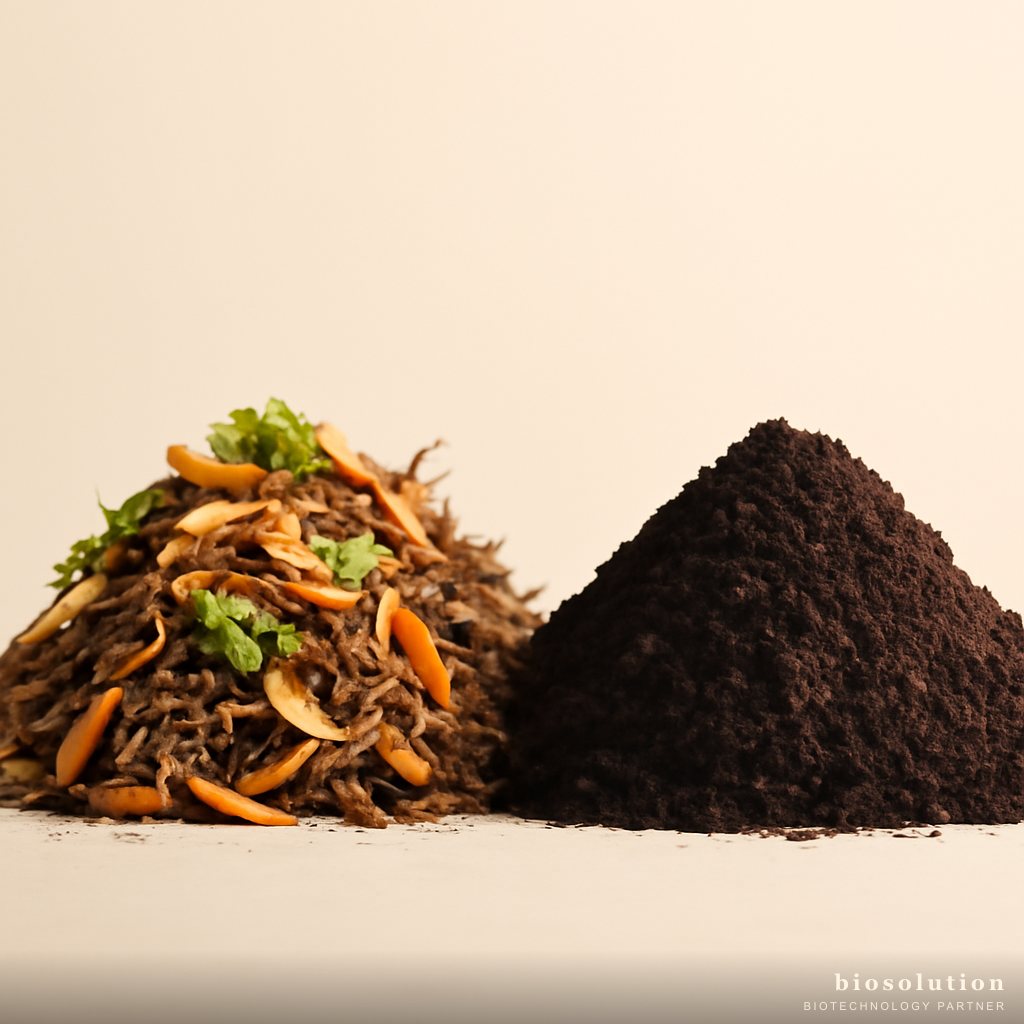
Natural Soil Conditioner: 9 Formulas for Soil Structure Improvement on Degraded and Saline Land
Saline soil and degraded land pose serious challenges to agricultural productivity in Indonesia. The area of critical land reaches millions of hectares due to salt accumulation, erosion, and excessive use of chemical fertilizers. This is where natural soil conditioner based on microbes comes as a sustainable solution. Unlike synthetic ameliorants that are only temporary, biofertilizers with superior microbes can biologically improve soil structure, increase porosity, and restore fertility. This article will thoroughly discuss the criteria for selecting the best microbial soil conditioner and 9 scientifically proven formulas for soil structure improvement.
Why Microbial Soil Conditioner is Effective for Saline and Degraded Land?
Saline soil has high salt content that disrupts plant growth due to osmotic pressure and ion toxicity. Meanwhile, degraded land loses organic matter and stable soil aggregates. Natural soil conditioner containing microbes such as Azotobacter sp., Azospirillum sp., and Bacillus megaterium works through several mechanisms:
- Exopolysaccharide (EPS) Production: Azotobacter sp. produces EPS that binds soil particles into stable aggregates, increasing porosity and aeration.
- Phosphate and Potassium Solubilization: Bacillus megaterium solubilizes bound phosphate and potassium, increasing nutrient availability.
- Nitrogen Fixation: Azotobacter sp. and Azospirillum sp. fix atmospheric nitrogen into ammonia that can be absorbed by plants.
- Root Growth Stimulation: Azospirillum sp. produces phytohormones such as auxin that stimulate root growth, helping plants survive in saline conditions.
Research from FAO shows that the use of biofertilizers can increase crop yields by 20-30% on marginal land. By improving soil structure, water and air circulate more easily, reducing the negative impact of salinity.
Criteria for Selecting the Best Biofertilizer as a Natural Soil Conditioner
Not all natural soil conditioner products have the same quality. Here are criteria to consider:
1. Superior and Synergistic Microbial Content
Products must contain microbial strains that have been proven to survive in saline and damaged soil environments. The combination of Azotobacter sp., Azospirillum sp., and Bacillus megaterium in Soil Structure Improvement Formula is an example of optimal synergy: N fixation, P and K solubilization, and EPS production simultaneously.
2. Certification and Legality
Ensure the product has a distribution permit from the Ministry of Agriculture (e.g., organic fertilizer/biofertilizer registration number). Certification guarantees strain purity, colony count (CFU/ml), and pathogen-free status.
3. Stability and Shelf Life
A good biofertilizer has a stable formulation at normal storage temperature (25-30°C) and a shelf life of at least 6 months without significant viability decline.
4. Practical Application
Choose products with low but effective dosage. For example, a dosage of 10 ml per liter of water with a frequency of every 30 days (3 times per season) as in Biosolution products facilitates large-scale application.
5. Suitability for Soil Type and Crop
Saline land requires salt-tolerant microbes. Laboratory tests show that strains in the Soil Structure Improvement Formula can survive salinity up to 6 dS/m.
9 Formulas for Soil Structure Improvement with Natural Soil Conditioner
Here are nine formulas commonly used for soil structure improvement, either independently or combined with Biosolution products:
- Application of Azotobacter sp. + Bacillus megaterium: This combination improves soil aggregation and nutrient availability.
- Inoculation of Azospirillum sp. on Seeds: Strengthens root system from the start.
- Application of Microbe-Enriched Compost Organic Matter: Accelerates decomposition and humification.
- Biochar with Azotobacter Inoculant: Increases water and nutrient retention.
- Use of Bacillus megaterium for Phosphate Solubilization: On calcareous or saline soils.
- Combination of Azotobacter and Azospirillum for Dual N Fixation: Increases nitrogen supply.
- Application of Bacillus megaterium + Potassium Silicate: Strengthens plant cell walls.
- Use of Azospirillum on Dry Land: Increases drought tolerance.
- Complete Formulation (Azotobacter, Azospirillum, Bacillus): As in Biosolution products, covering all functions.
Each formula can be adjusted to specific land conditions. For heavy saline land, initial application with higher dosage and repetition every 30 days is recommended.
Proper Application Method of Natural Soil Conditioner
To optimize the benefits of natural soil conditioner, follow these application guidelines:
- Best Time: Early rainy season or after tillage. Soil moisture helps microbes thrive.
- Method: Drench or soil spray. Mix 10 ml of product per liter of water, then evenly pour around the root zone.
- Frequency: Every 30 days, at least 3 times per growing season for maximum results.
- Combination with Base Fertilizer: Avoid mixing with high-dose chemical fertilizers that can kill microbes. Allow a 2-3 day interval.
Regular use will gradually improve soil structure. After 2-3 seasons, saline land can become productive again.
Case Study: Success on Degraded Land
A trial on saline land in East Java showed that application of Soil Structure Improvement Formula (containing Azotobacter sp., Azospirillum sp., and Bacillus megaterium) increased soil porosity from 35% to 48% in one season. Water holding capacity increased by 25%, and rice yield increased by 18% compared to control. This data reinforces the effectiveness of natural soil conditioner in land restoration.
Conclusion
Natural soil conditioner based on microbes such as the Soil Structure Improvement Formula from Biosolution offers an effective solution for degraded and saline land. With proper selection criteria—superior, synergistic, certified, and easy-to-apply microbes—farmers can improve soil structure, increase productivity, and reduce dependence on chemical fertilizers. For optimal results, apply regularly according to recommended dosage and schedule. Consult your specific land needs with our expert team via WhatsApp or see the Soil Structure Improvement Formula product for more information.
FAQ
What is a natural soil conditioner?
A natural soil conditioner is a material added to soil to improve its physical, chemical, and biological properties. Unlike synthetic ameliorants, microbe-based natural soil conditioners such as Azotobacter sp. and Bacillus megaterium work biologically by producing exopolysaccharides, solubilizing nutrients, and improving soil aggregation. These products are environmentally safe and farmer-friendly.
How does microbial soil conditioner work on saline soil?
In saline soil, microbes like Azotobacter sp. produce EPS that binds soil particles into stable aggregates, reducing the adverse effects of salt. Bacillus megaterium solubilizes phosphate bound by salt, while Azospirillum sp. produces hormones that strengthen roots. This combination improves porosity, aeration, and nutrient availability, making plants more tolerant to salinity.
What is the recommended dosage and application frequency?
For products like the Soil Structure Improvement Formula, the recommended dosage is 10 ml per liter of water, applied by drench or soil spray. Application frequency is every 30 days, at least 3 times per growing season. The first application should be done at the beginning of the rainy season or after tillage for optimal results.
Is natural soil conditioner suitable for all types of plants?
Yes, natural soil conditioner is generally suitable for various food crops, horticulture, and plantation crops. The microbes contained are non-specific and beneficial to most plants. However, for best results, adjust to specific plant needs and soil conditions. Consultation with an agronomist is recommended.
Where can I buy quality natural soil conditioner?
Natural soil conditioner products such as Soil Structure Improvement Formula are available at Biosolution. Ensure the product has a Ministry of Agriculture distribution permit and contains superior microbes. You can contact our team via WhatsApp for ordering or free consultation.