Oil Palm Biofertilizer: 7 Common Mistakes on Peatland
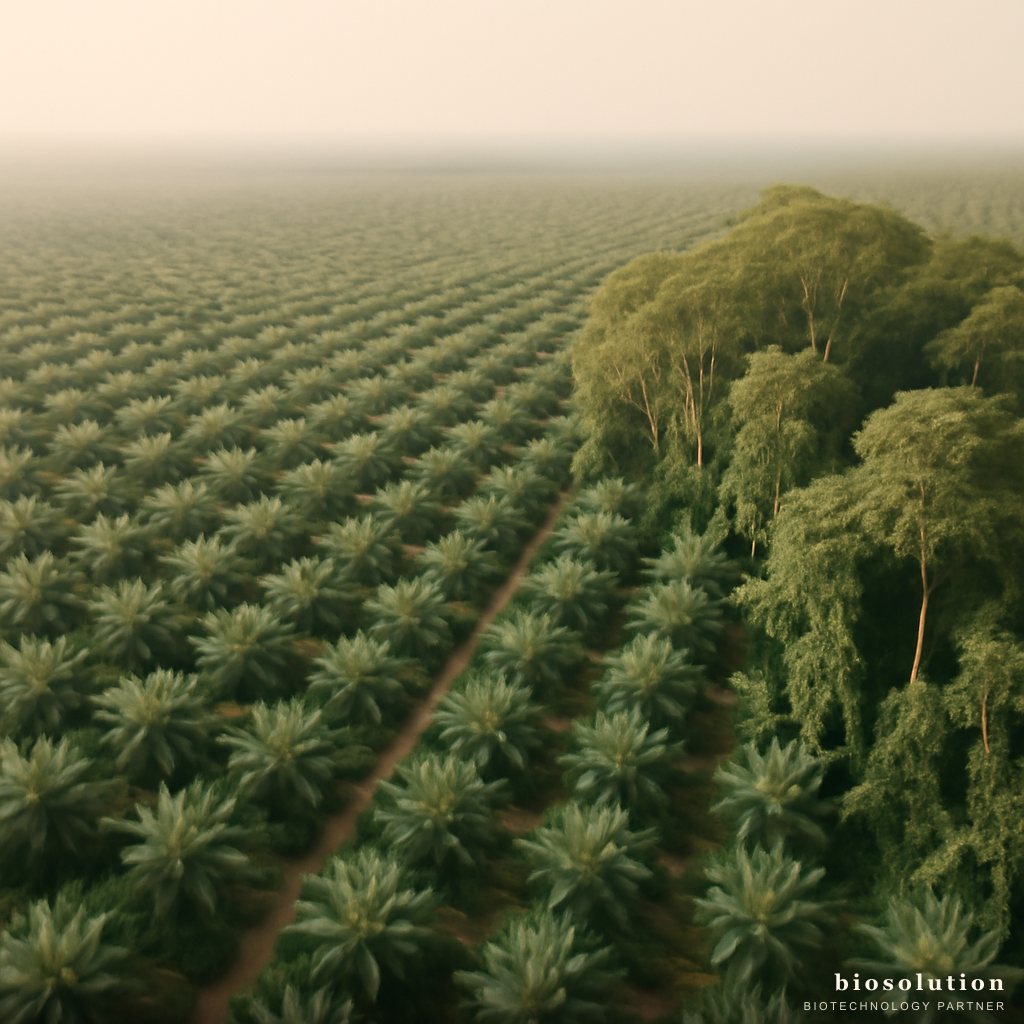
Oil palm biofertilizer has become a mainstay for plantations to increase productivity while improving soil health, especially on challenging peatlands. However, many growers fail to experience optimal benefits due to application errors. This article discusses seven common mistakes when using biofertilizer for oil palm plantations on peatland and how Biosolution's solutions can help you avoid them.
1. Not Understanding Peatland Characteristics
Peatland has unique properties: low pH (3–4), high organic matter content, but poor available nutrients and easily waterlogged. Many growers assume all biofertilizers are the same, whereas certain microbes cannot survive in acidic and anaerobic conditions. For example, nitrogen-fixing bacteria such as Azotobacter sp. require neutral pH and sufficient oxygen. Without adaptation, biofertilizer application is futile.
2. Choosing the Wrong Microbes
The second mistake is using products with strains unsuitable for peatland. Effective oil palm biofertilizer must contain acid-tolerant microbes capable of working in waterlogged conditions. Biosolution formulates a special formula with Trichoderma harzianum, a natural fungicide against Ganoderma, and Azotobacter sp., which can fix nitrogen even in peat. Bacillus subtilis is also added as a phosphate solubilizer and pathogen controller.
3. Incorrect Dosage and Application Frequency
Many growers apply biofertilizer once a year or at too low a dosage. Consequently, the microbial population is insufficient to have an effect. Based on Biosolution product data, the correct dosage is 20 ml per tree every 3 months. This frequency maintains a stable microbial population in the oil palm rhizosphere.
4. Improper Application Timing
Bio-microbes are sensitive to UV light and extreme temperatures. Application during the hot midday sun can kill most cells. The best time is morning or late afternoon when temperatures are lower and humidity is high. This aligns with Biosolution product application recommendations.
5. Not Combining with Organic Matter
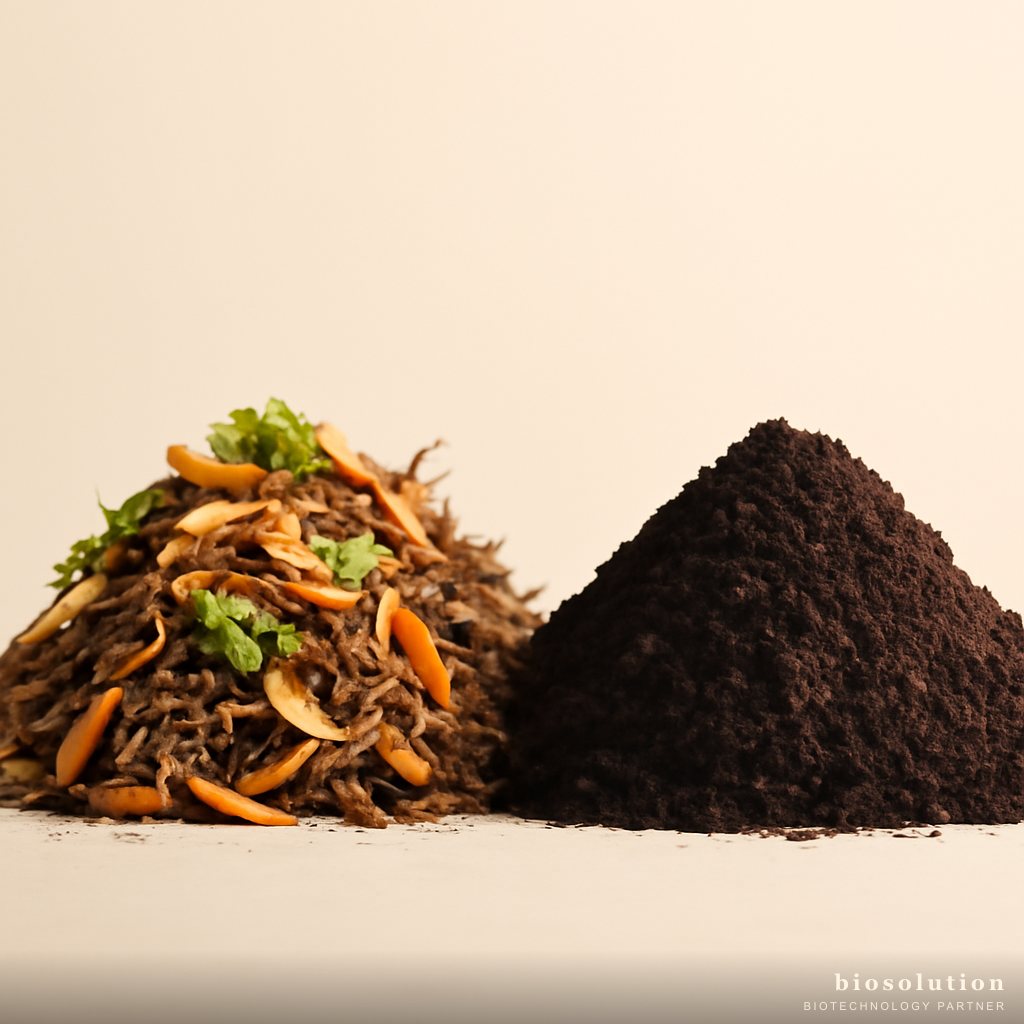
Biofertilizer works optimally if there is an energy source (carbon) for the microbes. Peatland is actually rich in organic matter, but growers often do not add compost or manure. In fact, applying organic matter together with biofertilizer increases microbial activity and nutrient availability.
6. Ignoring Water Management
Peatland is easily waterlogged. If drainage is poor, anaerobic conditions will suppress the growth of aerobic microbes such as Azotobacter and Bacillus. Ensure drainage channels function well so that water does not pool in the oil palm circle.
7. Not Monitoring Results Periodically
The last mistake is not conducting evaluation. Growers are often disappointed because they do not see drastic changes in a short time. Biofertilizer works gradually to improve soil biology. Observe leaf growth, color, and FFB production every cycle. With consistency, a 10–15% increase in FFB production can be achieved.
The Right Solution: Biosolution Oil Palm Biofertilizer Formula
Biosolution presents Oil Palm Biofertilizer Formula specifically designed for peatland. The combination of Trichoderma harzianum (Ganoderma biocontrol and PGPR), Azotobacter sp. (N₂ fixer), and Bacillus subtilis (P solubilizer, biocontrol) works synergistically to increase productivity while reducing chemical fertilizer by up to 30%. Easy application: drench 20 ml per tree every 3 months in the morning or late afternoon.
For optimal results, combine with Liquid 5-in-1 Biofertilizer Formula which provides complete nutrition for microbes and plants.
Conclusion
Avoiding the seven mistakes above will make your oil palm biofertilizer investment more effective. Choose products with microbial strains proven to be adaptive in peat, apply at the correct dosage and timing, and manage water and organic matter properly. With a holistic approach, your peatland can remain productive and sustainable.
Want further consultation? Contact the Biosolution team via WhatsApp for specific recommendations for your plantation.