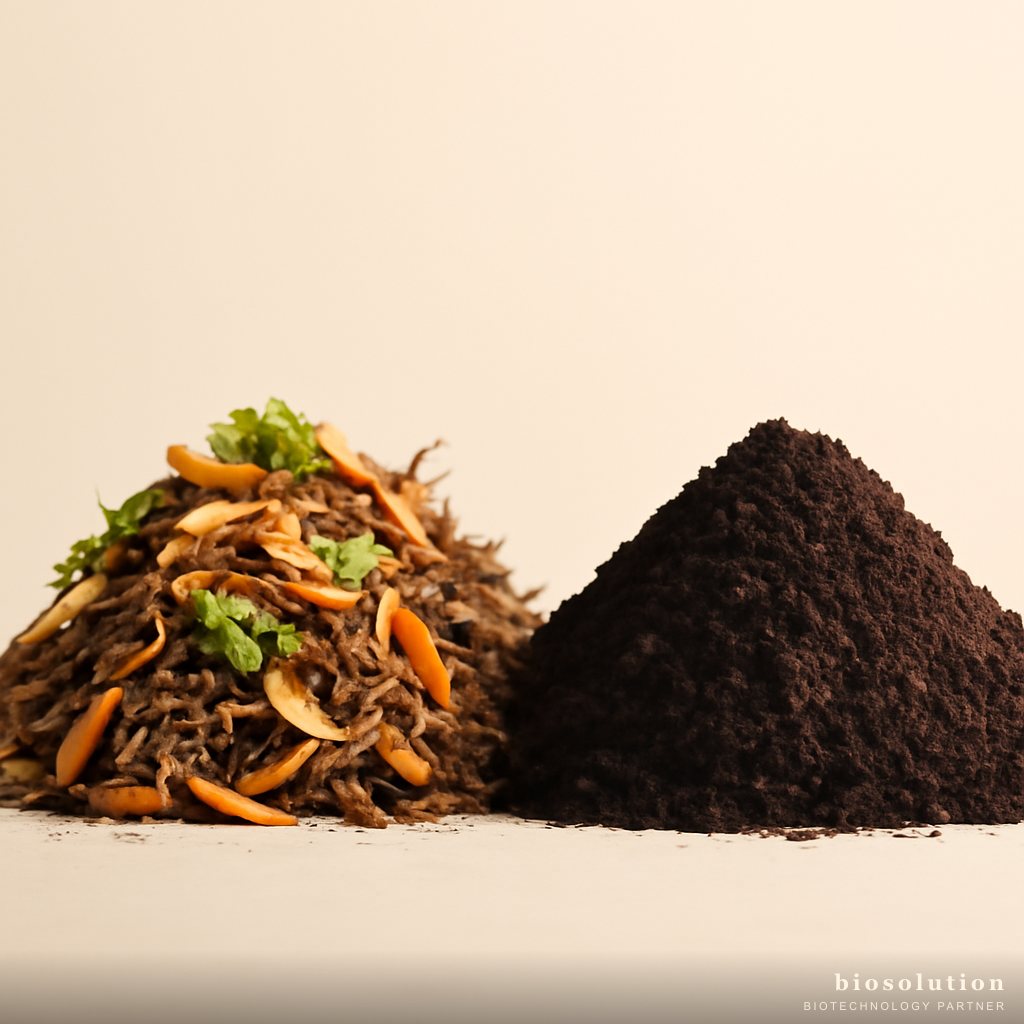
Oil Palm Biofertilizer for Peatlands: A Microbe-Based Regenerative Solution
Oil palm plantations on peatlands face unique challenges: acidic soil, nutrient deficiency, and susceptibility to pathogens such as Ganoderma boninense. Oil palm biofertilizer emerges as an answer to sustainably increase productivity. By utilizing superior microbes like Trichoderma harzianum, Azotobacter sp., and Bacillus subtilis, this formula not only enriches the soil but also suppresses disease and reduces dependence on chemical fertilizers. This article will thoroughly explore how biofertilizer works, its benefits for peatlands, and why B2B oil palm plantations need to shift to regenerative agriculture.
Why Peatlands Require Specific Biofertilizer?
Peatlands have different characteristics from mineral soils. High acidity (pH 3-4), abundant organic matter but low available nutrients, and limited microbial activity. These conditions make it difficult for oil palm plants to absorb nutrients, especially nitrogen and phosphorus. Chemical fertilizers are often ineffective because they are easily leached or bound by peat. This is where the role of biofertilizer becomes crucial.
The Role of Microbes in Improving Peat Soil
Microbes in biofertilizer work synergistically to overcome peat limitations. Azotobacter sp., for example, can fix nitrogen from the air and convert it into a form available to plants. This is very important because peatlands are generally nitrogen-poor. Meanwhile, Bacillus subtilis acts as a phosphate solubilizer, releasing phosphorus bound in complex peat compounds so it can be absorbed by roots.
Additionally, microbes produce growth hormones such as auxins and gibberellins that stimulate root and shoot development. Healthier and more extensive roots improve nutrient and water uptake, making plants more tolerant to stress. Regular use of biofertilizer also improves peat soil structure, increasing porosity and water holding capacity.
Biofertilizer Formula for Oil Palm: Superior Composition
The product Oil Palm Biofertilizer Formula from Biosolution is specifically designed for oil palm plantations on peatlands. It contains three main microbes that have been proven effective:
- Trichoderma harzianum: Functions as a biocontrol agent against the pathogenic fungus Ganoderma and also as a Plant Growth Promoting Rhizobacteria (PGPR). This fungus produces chitinase enzymes that degrade the pathogen's cell wall.
- Azotobacter sp.: Non-symbiotic nitrogen-fixing bacteria capable of providing up to 20-30 kg N/ha/year on peatlands.
- Bacillus subtilis: Phosphate-solubilizing bacteria and natural antibiotic producer that suppresses soil-borne pathogens.
These three microbes are formulated in high concentrations for ready-to-use application. Application is easy: drench 20 ml per tree every 3 months in the morning or evening. With the right dosage, farmers can save up to 30% on chemical fertilizers and increase FFB production by 10-15%.
Benefits of Biofertilizer on Peatland Oil Palm Plantations
Consistent use of biofertilizer provides various measurable benefits:
- Increased FFB production: Field trial data shows a 10-15% increase within 2-3 harvest seasons.
- Suppression of Ganoderma attacks: Trichoderma harzianum inhibits Ganoderma development through competition and antibiosis. The incidence of basal stem rot (BSR) can be reduced by up to 50%.
- Improved peat soil quality: Microbial activity enhances organic matter decomposition, improves soil aggregation, and increases cation exchange capacity (CEC).
- Reduction of chemical fertilizers: With better nutrient availability, NPK fertilizer dosage can be reduced by 30% without yield loss.
Case Study: Effectiveness on Peatlands
A study in Riau showed that application of a similar biofertilizer formula increased average fresh fruit bunch (FFB) weight by 12% compared to the control. Additionally, Ganoderma attack intensity decreased from 15% to 5% after 2 years of application. This proves that biofertilizer is not just a supplement, but a primary solution for peatlands.
Regenerative Agriculture: Restoring Soil Health
Regenerative agriculture focuses on restoring soil ecosystems through practices that enhance biodiversity and nutrient cycles. Oil palm biofertilizer is a key component in this approach. By reducing chemical inputs and optimizing the role of microbes, farmers can build healthier and more productive soil in the long term.
Synergy with Other Practices
For maximum results, biofertilizer should be combined with:
- Use of organic mulch from oil palm fronds to maintain moisture and provide substrate for microbes.
- Proper peat water management, maintaining water table levels not too low (peat oxidation) or too high (anaerobic).
- Cover crop rotation such as Mucuna or Calopogonium to add organic nitrogen.
Plantations that adopt regenerative principles not only increase yields but also reduce carbon emissions and preserve peatlands.
Proper Biofertilizer Application Method
For optimal benefits, follow these application guidelines:
- Time: Morning or evening (avoid direct sunlight) to prevent UV rays from killing microbes.
- Method: Drench 20 ml solution per tree into the root zone (palm circle). Ensure the soil is moist before application.
- Frequency: Every 3 months, together with organic fertilization if any.
- Storage: Store in a cool, dry place, avoid direct sunlight.
For best results, apply regularly for at least the first 2 years. Microbes need time to establish stable populations in the rhizosphere.
Conclusion
Oil palm biofertilizer for peatlands is a smart solution for plantations aiming to increase productivity while maintaining sustainability. With a formula containing Trichoderma harzianum, Azotobacter sp., and Bacillus subtilis, this product can address the main challenges of peatlands: nutrient deficiency, Ganoderma attacks, and soil degradation. Switching to biofertilizer means investing in soil health and the future of the plantation.
Interested in trying? Consult your plantation needs with our expert team via WhatsApp or see product details Oil Palm Biofertilizer Formula. For complete nutrition solutions, also check Liquid 5-in-1 Biofertilizer Formula.